
The Most Dangerous Thing About Winter Boat Storage Isn't Freezing Temperatures. It's What Happens When Mice Move In.

Most boat owners have no idea THIS is happening until it's too late.
Right now, as temperatures drop and boats head into winter storage, millions of mice are searching for the perfect place to nest.
Warm. Protected. Full of materials they can shred and chew.
Your boat is their five-star hotel.
And if you don't understand what's happening inside your vessel right now, you could lose everything by spring.
I learned this the hard way.
"I Thought My Boat Was Secure. By March, I Was Standing on the Dock Watching 34 Years of Dreams Burn to the Waterline."
I'll never forget the phone call from the marina manager.
"Jack, you need to get down here. Now."
It was nearly 6AM on a Tuesday in March. I was three weeks away from launching my 38-foot sailboat, my retirement dream, for the season.
I'd spent 34 years as a high school math teacher. Summers on the water were what kept me going through parent-teacher conferences and grading papers until midnight.
My wife passed away four years ago. The boat, Sea Teacher, I'd named her, became more than recreation. She became my therapy. My sanctuary. My reason to wake up in the morning.
When I pulled into the marina parking lot, I saw the smoke before I even got out of my truck.
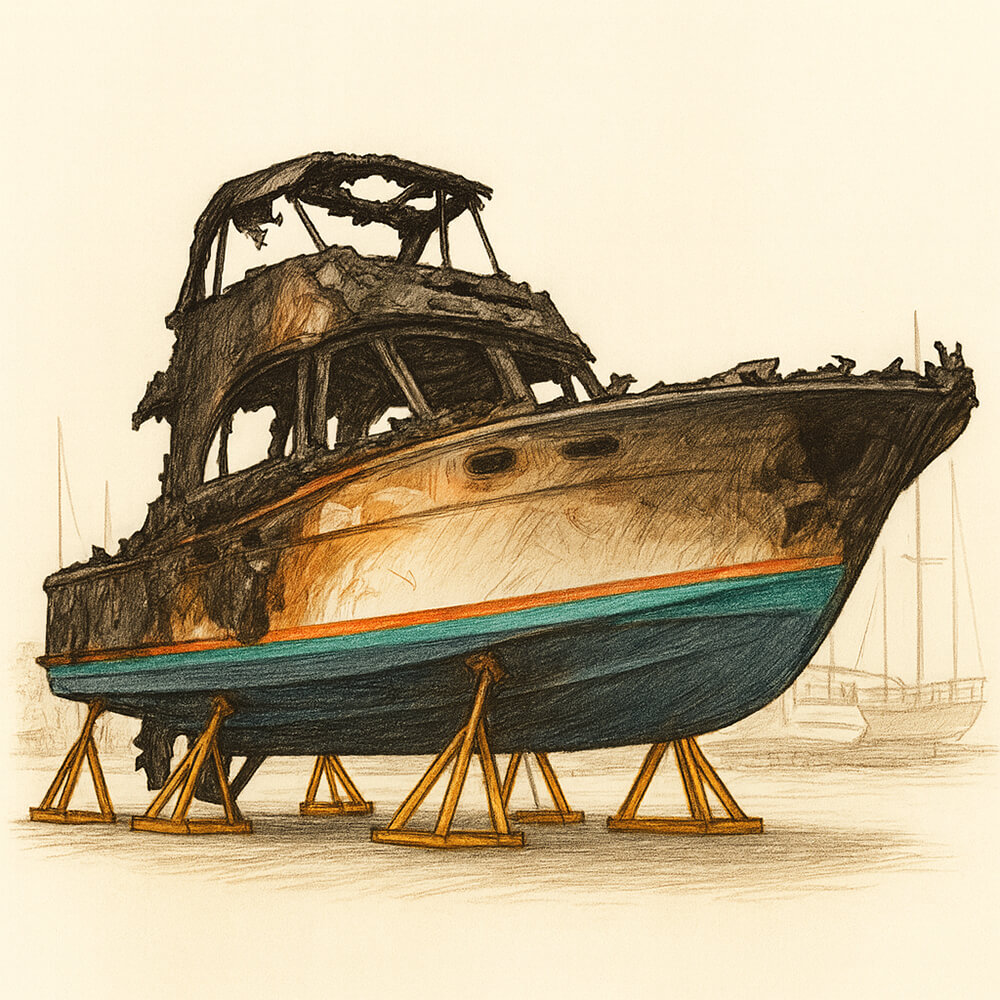
Sea Teacher was on fire.
The fire department was already there. But it was too late.
I stood on that dock and watched 34 years of savings, memories, and dreams burn down to the hull.
"What happened?" I kept asking. "How did this start?"
The fire marshal pulled me aside after they'd extinguished the flames.
"Mr. Henderson," he said, showing me photos on his tablet. "We found evidence of rodent activity throughout the boat. Significant activity. They'd chewed through the wiring behind your electrical panel. That's where the fire started."
I stared at the photos.
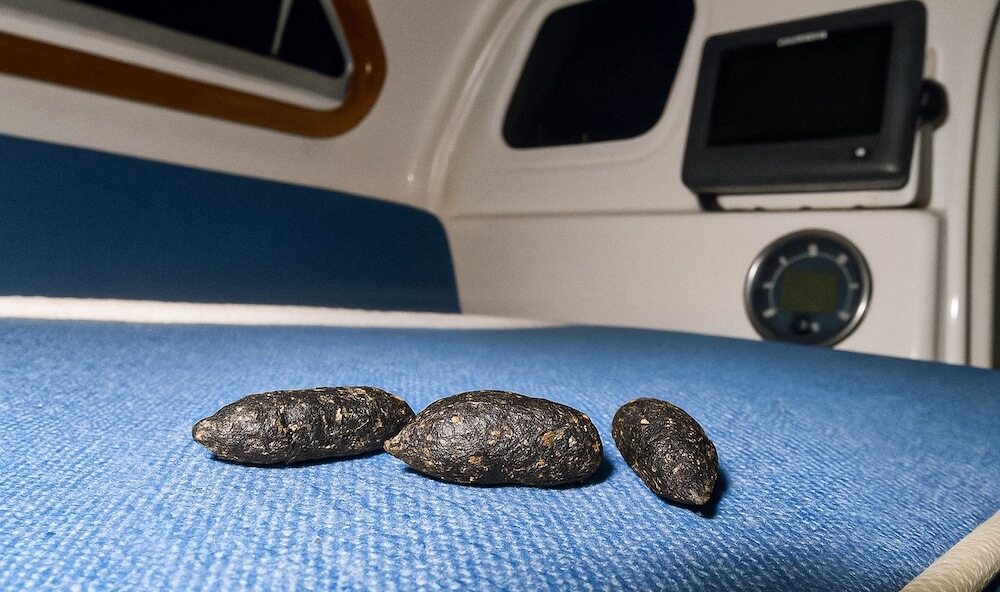
Mouse droppings everywhere.
Shredded insulation.
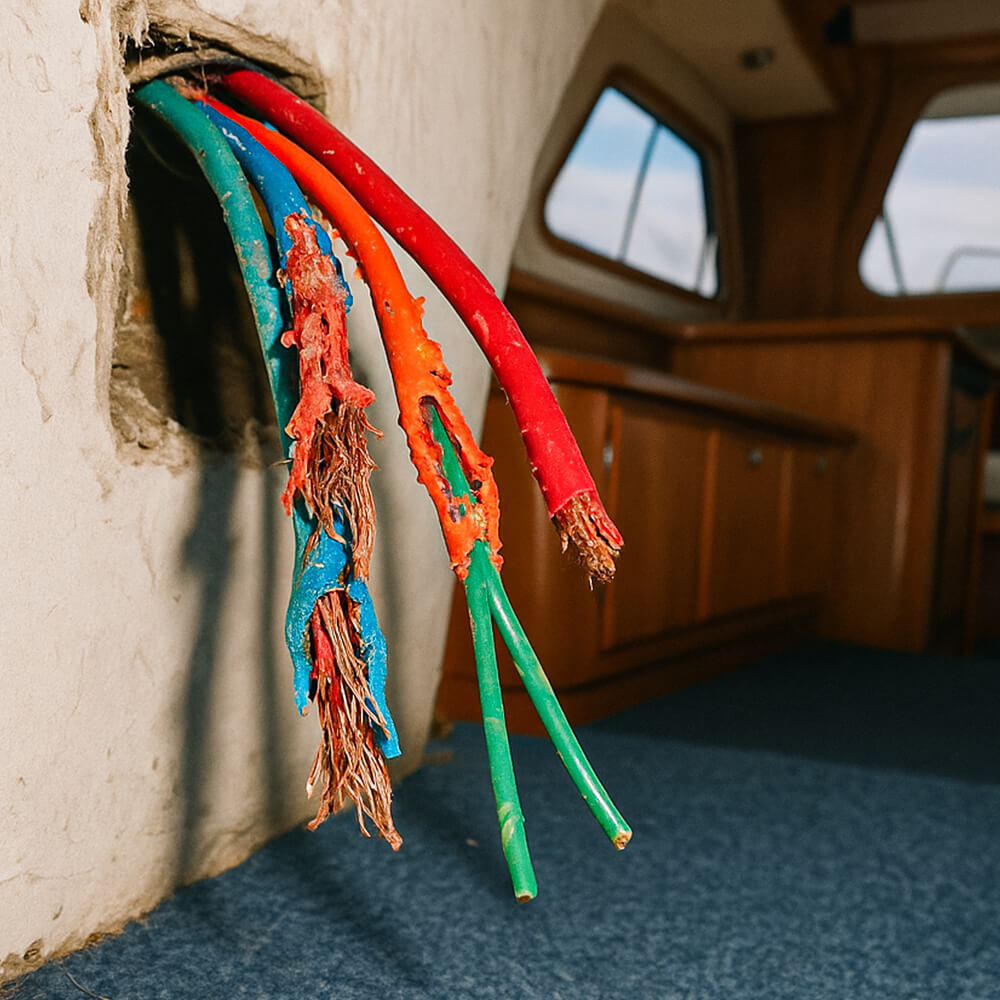
Chewed wires with exposed copper.
"But... I winterized her. I did everything right. How could mice—"
"Happens more than you'd think," he said. "Mice love boats in winter storage. Warm, protected, full of materials to nest with. The electrical fires from chewed wiring... we see it every season."
The total damage: $47,000.
My insurance covered $22,000 after the deductible.
I lost $25,000 in cash.
But I Lost Something Worth 100X More.
My wife and I had sailed to Block Island on that boat. To Martha's Vineyard. Down to the Chesapeake. Every summer for twenty years.
Now it was gone. Because of mice.
What the Marine Industry Doesn't Tell You About "Winter Rodent Season"
After the fire, I became obsessed.
I talked to every marine surveyor, boat yard owner, and marina manager I could find.
And I discovered something that made my blood boil:
Everyone in the marine industry knows mice destroy boats every winter. They just don't talk about it.
Tom Davidson, a marine surveyor with 28 years of experience, finally told me the truth over coffee at the marina.
"Jack, I inspect boats every spring that come out of winter storage. I'd estimate 40-60% have some degree of rodent damage. Most owners never even know it happened."
"What?" I couldn't believe it. "Why doesn't anyone warn people?"
He pulled out his phone and showed me inspection photos:
"Here's what happens from October through April that most boat owners don't understand:
September-October:
Mice start seeking winter shelter as temperatures drop.
Boats in dry storage are perfect—protected from weather, full of cushions and fabrics for nesting, quiet and undisturbed.
October-November:
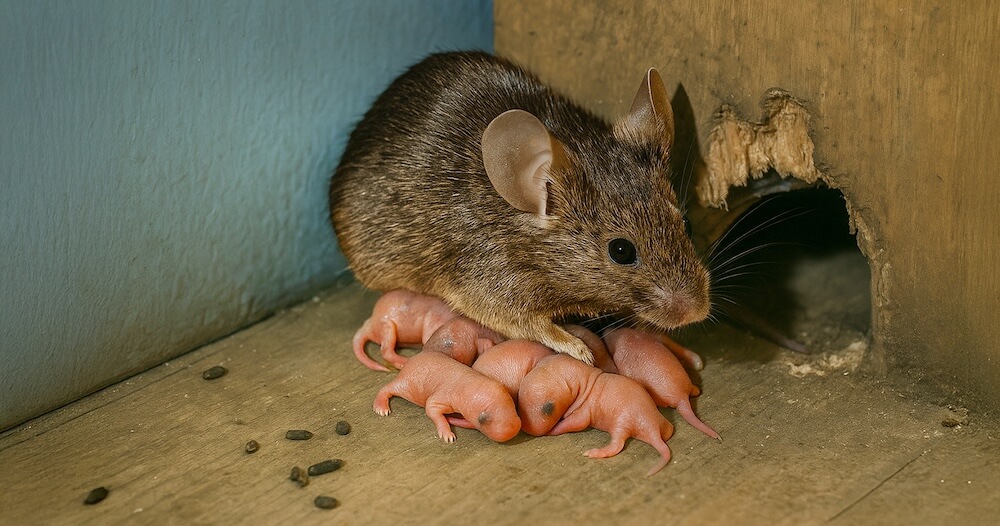
A pregnant female mouse enters through an exhaust vent, anchor locker, or engine compartment.
She gives birth to 6-8 babies.
In a boat, she has everything she needs: warmth from your battery compartment, materials from your cushions and life jackets, and zero predators.
November-December:
Those babies reach sexual maturity in 6 weeks.
They start breeding.
Each female produces another 6-8 babies.
December-March:
You now have three generations breeding simultaneously inside your boat.
They're shredding your upholstery for nests.
Contaminating your galley.
And most dangerously,chewing through your wiring.
March-April:
Owners unwrap their boats for spring commissioning and discover the devastation.
Thousands in damage.
And that's if they catch it before starting the engine or turning on the electrical system."
“No Matter How Early Or Late In Mice Season You Are… You HAVE To Get Rid Of Boat Mice Right Now…”
I felt sick. "So the fire that destroyed my boat..."
"Started with one pregnant mouse that probably entered your boat in October," Tom said. "By March, you likely had 40-50 mice living in there. One of them chewed through the wrong wire at the wrong time."
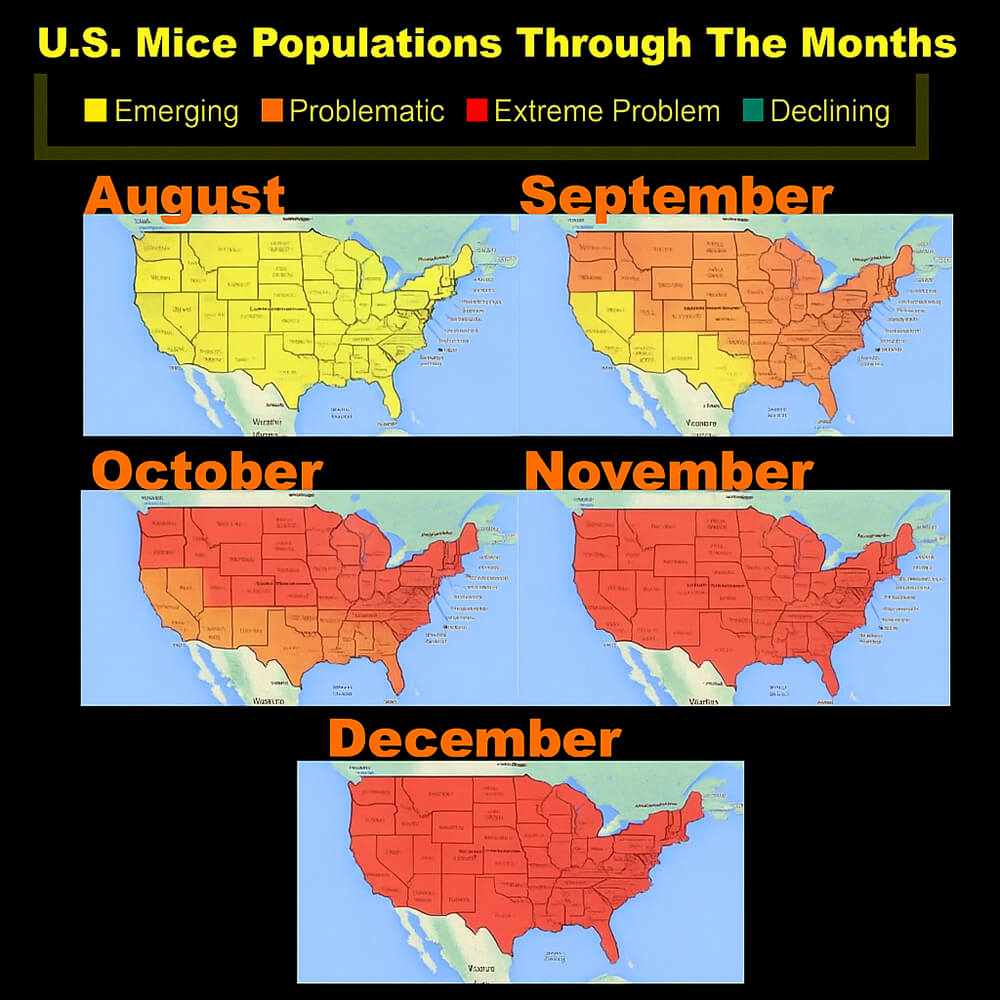
The University of Rhode Island Study That Marine Surveyors Don't Want You To See
Tom pulled up a research study on his laptop.
"Most boat owners think mice come into boats just to escape the cold. That's only half the story. Look at this."
He showed me a study from the University of Rhode Island's Department of Fisheries, Animal and Veterinary Science that tracked rodent behavior in marine environments during winter months.
The findings were terrifying:
- Mice reproduce 400% faster in protected marine environments (like boat cabins) compared to outdoor winter nesting
- Winter boat mice have 6-8 babies per litter compared to 3-4 in outdoor winter colonies
- Boat cabin temperatures (even unheated) provide optimal breeding conditions that trigger accelerated reproduction
- A single female mouse can produce up to 10 litters per year when living in a stored boat
- Mice can detect the scent of food residue in galleys from up to 100 feet away, making boats with kitchens prime targets
"Your boat isn't just shelter for them," Tom explained.
"It's a breeding facility with perfect temperature, unlimited nesting materials, and no natural predators. One mouse in October becomes 60 mice by March."
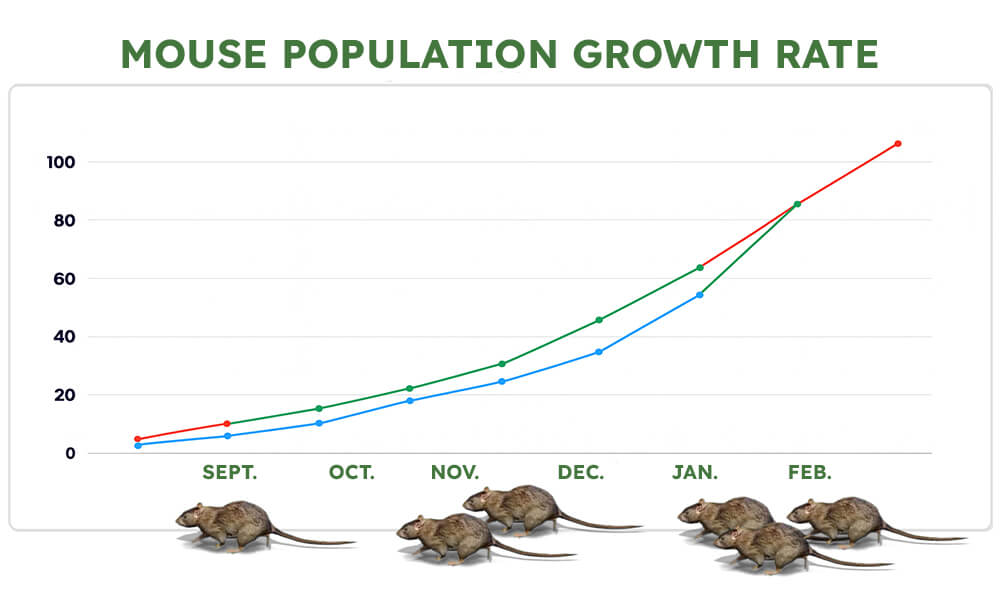
The Truth About Boat Mice That Will Keep You Up At Night
I looked at Tom, trying to process this nightmare.
"But I sealed all the obvious entry points. I put mothballs in the cabin like my father taught me. Why didn't any of that work?"
He actually laughed. But not in a mean way. More like he'd heard this a thousand times.
"That's the problem. Everything boat owners traditionally do doesn't work on winter mice. And the marine industry doesn't educate people because... well, there's more money in spring repairs than winter prevention."
He walked me through why everything I'd tried had failed:
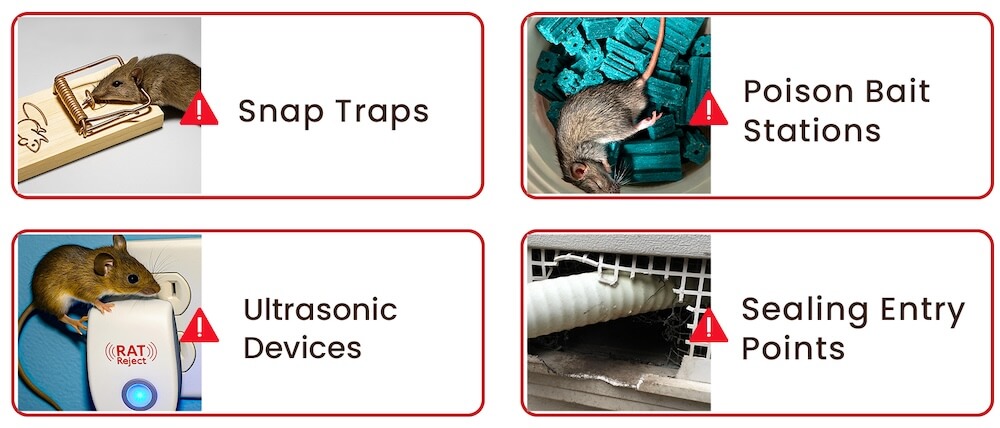
Sealing Entry Points:
"Mice can squeeze through holes the size of a dime.
Your boat has dozens of entry points you'll never find: through-hull fittings, anchor chain passages, engine exhaust ports, ventilation ducts, wiring passages.
Even if you could find them all, mice will chew through caulk and sealant to create new openings."
Mothballs:
"Old wives' tale that doesn't work.
Mice adapt to the smell within 48 hours.
Plus, mothballs are toxic and will contaminate your boat's interior. I've seen boats with mothballs scattered everywhere and mouse nests built right on top of them."
Leaving Lights On:
"Doesn't deter them.
Mice are actually attracted to the warmth from the light bulbs. I've seen nests built inside engine compartments specifically because of work lights owners left running."
Poison Bait Stations:
"Terrible idea on a boat. First, mice eat the poison and die in your bilge, inside your cabin walls, or under your floorboards where you can't reach them.
The smell is unbearable and can last months. Second, it's dangerous if you have kids or pets visiting the boat. Third, dead mice attract other pests."
Snap Traps:
"You might catch two or three.
But if you have 40 mice breeding in your boat, traps can't keep up. Plus, you'd need to check them constantly through winter. Most boat owners visit their boats once a month or less during storage season."
"So what am I supposed to do?" I asked, feeling helpless. "Just accept that mice are going to destroy my boat every winter?"
His expression softened.
"No. But you need to understand: you can't trap your way out of a winter boat mouse problem. The reproduction rate is too fast. You need something that makes them want to leave. And never come back."
The National Fire Protection Association Warning That Every Boat Owner Needs to See
Tom pulled up his phone again and showed me something from the National Fire Protection Association website.
"Look at this data on boat fires."
My hands started shaking as I read it.
The NFPA has documented that electrical malfunctions cause 26% of all boat fires, with rodent-damaged wiring being a significant contributing factor.
In boats specifically:
- Mice chew through wire insulation to sharpen their constantly-growing teeth (which grow 4-5 inches per year and must be ground down)
- Exposed copper wires create short circuits and sparks that can ignite nearby nesting materials made from shredded cushions, life jackets, and canvas
- Boat fires spread 3x faster than house fires due to confined spaces and fiberglass construction
- The average cost of a boat fire ranges from $35,000 to $150,000+ depending on vessel size
- Over 70% of winter boat fires are discovered only after significant damage has occurred because boats are unattended during storage season
"Every spring, marinas deal with boat fires from mouse-damaged wiring," Tom said. "You weren't unlucky, Jack. You were statistically probable."
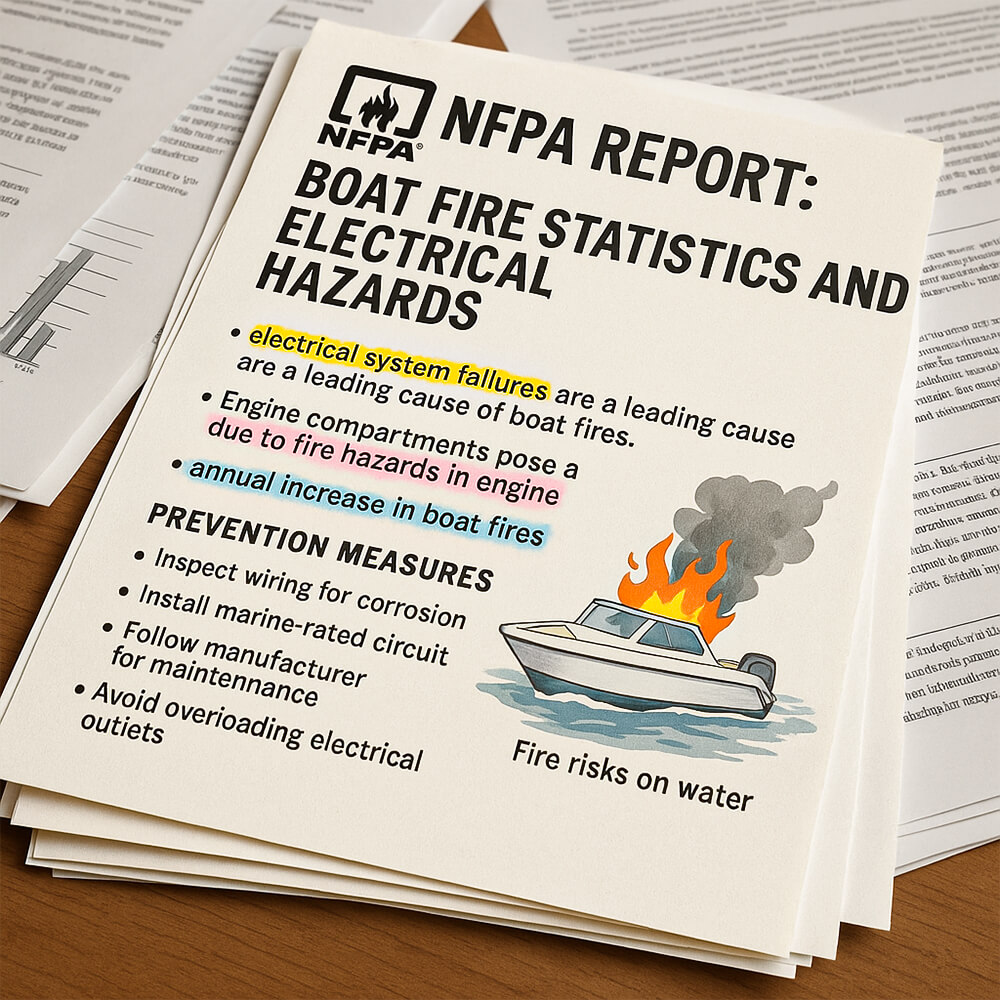
By October, I Had Bought Another Boat. By November, I Was Terrified History Would Repeat Itself.
After six months of grief and anger, I finally bought another boat.
A 35-foot Hunter. Not as nice as Sea Teacher, but she was mine. I named her Second Chance.
But as October rolled around and winter storage season approached, I became paralyzed with anxiety.
Every time I drove to the marina to check on her, my heart raced.
What if mice got in again?
What if I lost this boat too?
I'd spent my entire savings buying Second Chance. I couldn't afford another loss. Financially or emotionally.
I called Tom in desperation. "I need your help. I can't go through this again. Tell me what the professionals do. How do boat yards protect hundreds of boats all winter?"
"Come to the marina tomorrow morning," he said. "I'll show you."

"Here's What My Most Desperate Clients Do When They Can't Risk Mouse Damage"
Tom met me at the boat yard the next morning with a notepad.
"I've been doing marine surveys for 28 years. I've watched boat owners destroy themselves financially trying to fix winter mouse problems after the fact."
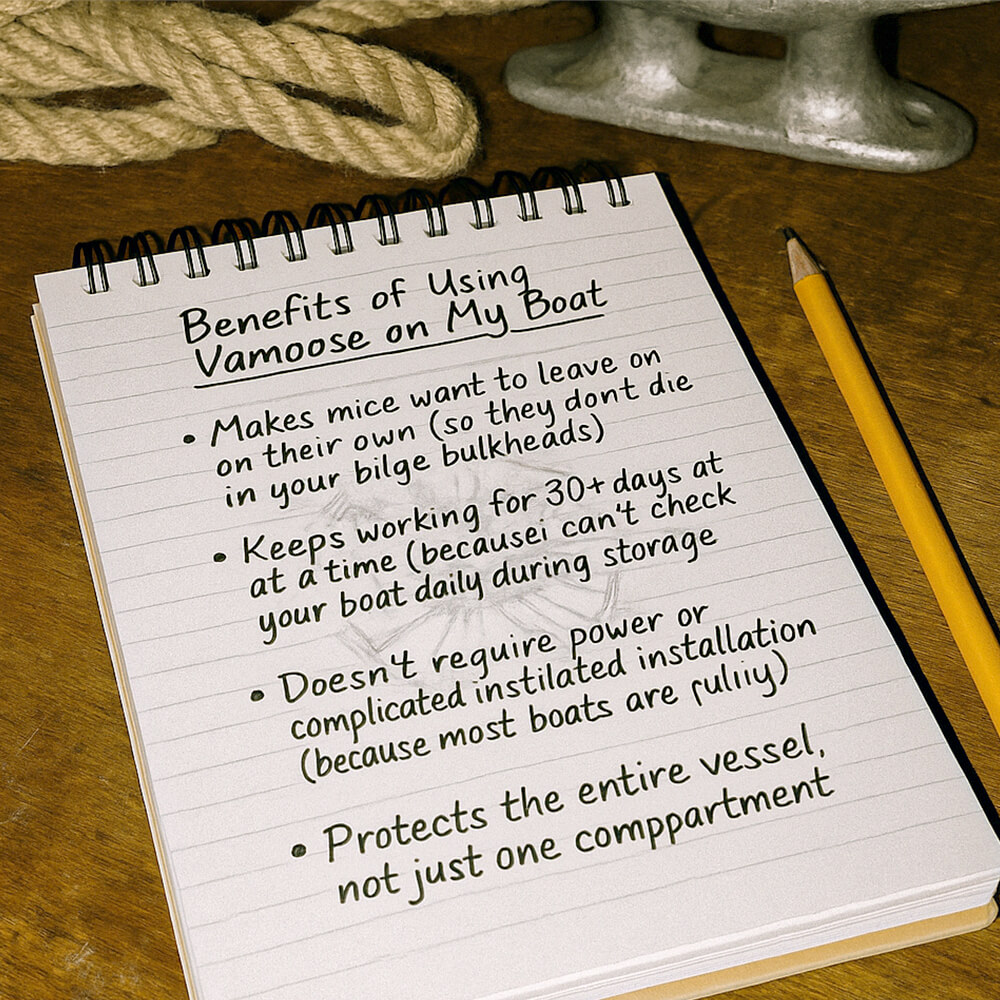
He started writing on his notepad:
"You need something that:
- Makes mice want to leave on their own (so they don't die in your bilge or bulkheads)
- Keeps working for 30+ days at minimum (because you can't check your boat every day during storage season)
- Doesn't require power or complicated installation (because most boats are fully winterized with no electricity)
- Protects the entire vessel, not just one compartment"
"The boat owners who successfully handle winter mouse problems without spending thousands are using plant-powered repellent systems that overwhelm the mouse's sense of smell."
He kept writing...
"Now I know that sounds weird… but bear with me. You need four specific essential oils. Together. Not separate."
- Peppermint Oil – Triggers an immediate panic response in the mouse's amygdala (fear center of the brain). To them, it signals predator danger. They can't ignore it.
- Lemongrass Oil – Overwhelms their olfactory system (which is 1,000x more sensitive than humans) and causes complete disorientation. They lose their ability to navigate.
- Clove Oil – Creates an irritating, burning sensation in their nasal passages that's intolerable. Forces them to evacuate to breathe comfortably.
- Rosemary Oil – Amplifies and extends the effectiveness of the other three compounds, creating a lasting barrier that prevents new mice from entering.
"These four oils together create what we call in the industry a 'hostile scent environment.' Mice can't adapt to it. They CAN'T stay. Their nervous system literally won't let them."
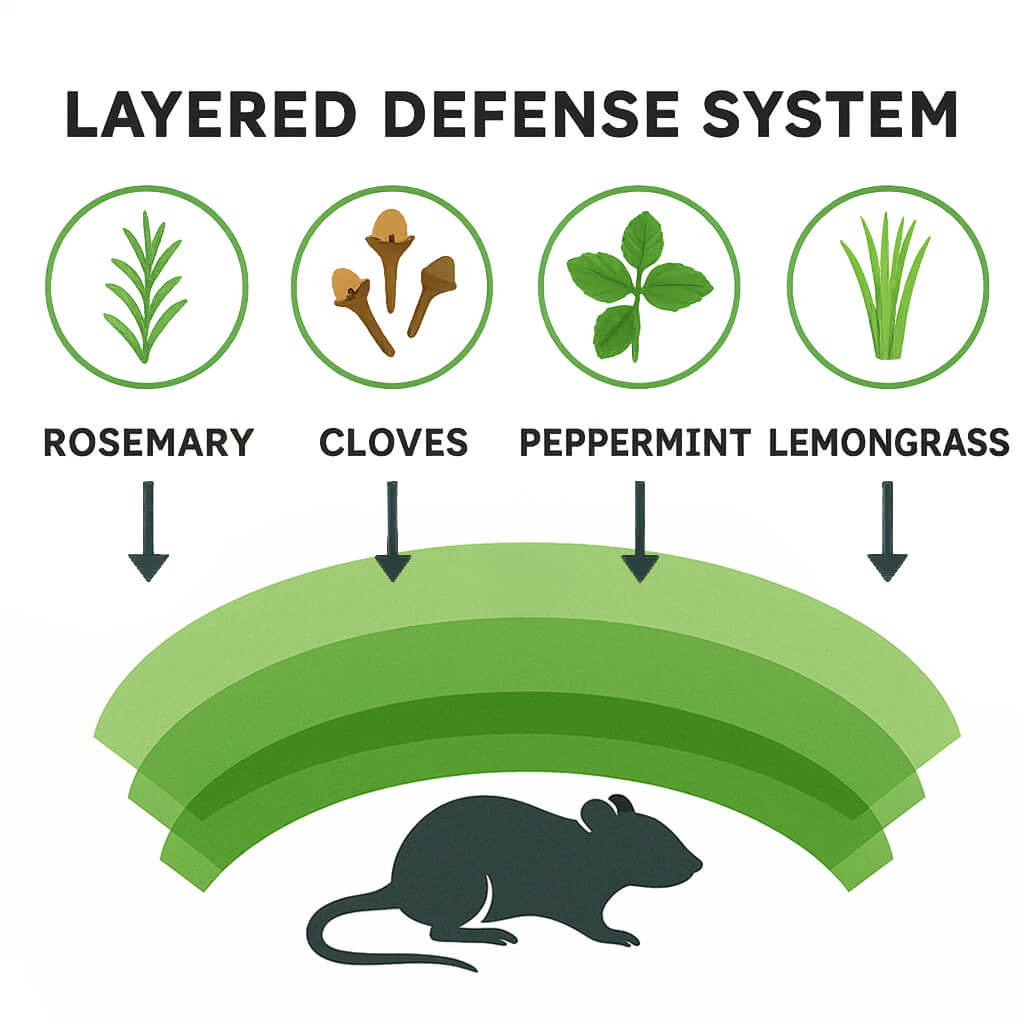
This LITERALLY Acts Like A Forcefield That Protects Your Boat (Even Your Entire Home If Mice Are Ever Dumb Enough To Invade Your Private Space)
"Where do I even find all this?" I asked.
"I can't recommend specific brands—that's not how this works. But if you search online for 'plant-powered mouse repellent pouches,' you'll find options. Just make sure it has all four ingredients I listed. In concentrations high enough to actually work."
He stood up to leave, then turned back.
"And Jack—whatever you choose, you need to deploy it NOW. Before the first freeze. Every day you wait, you're inviting more mice to move in. By December, this problem becomes exponentially worse."
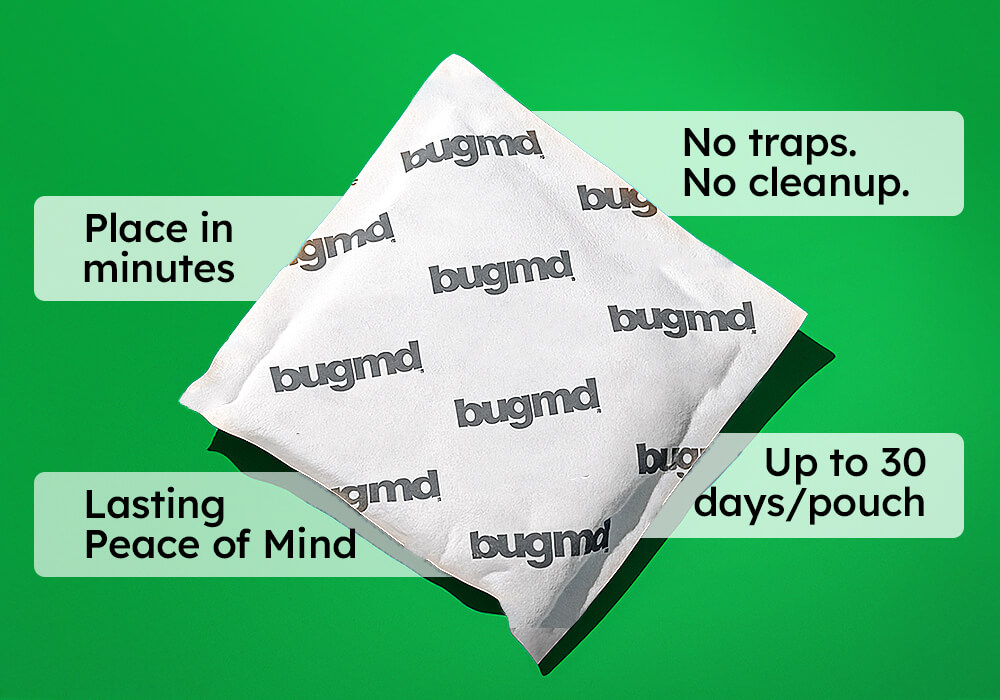
That Night, I Fell Down the Research Rabbit Hole
I spent four hours researching after dinner.
"Plant-powered mouse repellent pouches."
"Essential oil mouse deterrent for boats."
"Non-toxic rodent prevention marine storage."
Most products I found had one ingredient. Maybe two.
Some had peppermint oil (which Tom specifically said doesn't work alone—mice adapt too quickly).
Others had random essential oils that weren't on Tom's list at all.
Then I found a forum thread on Cruisers Forum titled: "How I finally prevented winter mouse damage after losing two boats."
Hundreds of comments. All sailors and boat owners with the same horror story I'd lived through.
And one product kept getting mentioned over and over:
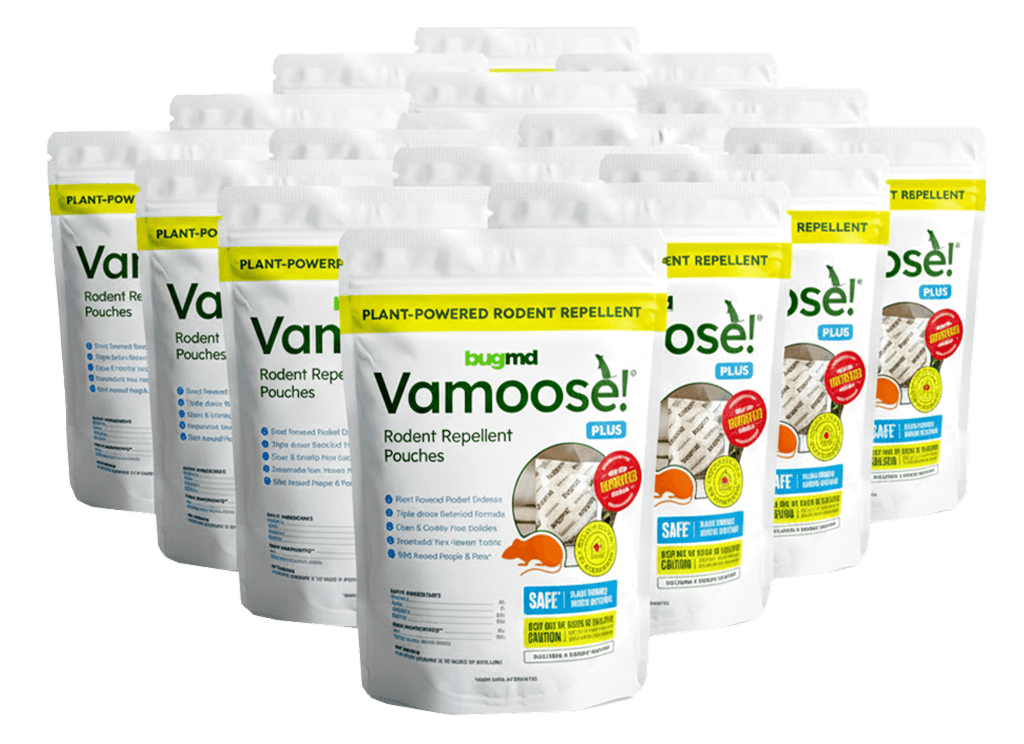
Vamoose™ Plant-Powered Rodent-Repelling Pouches
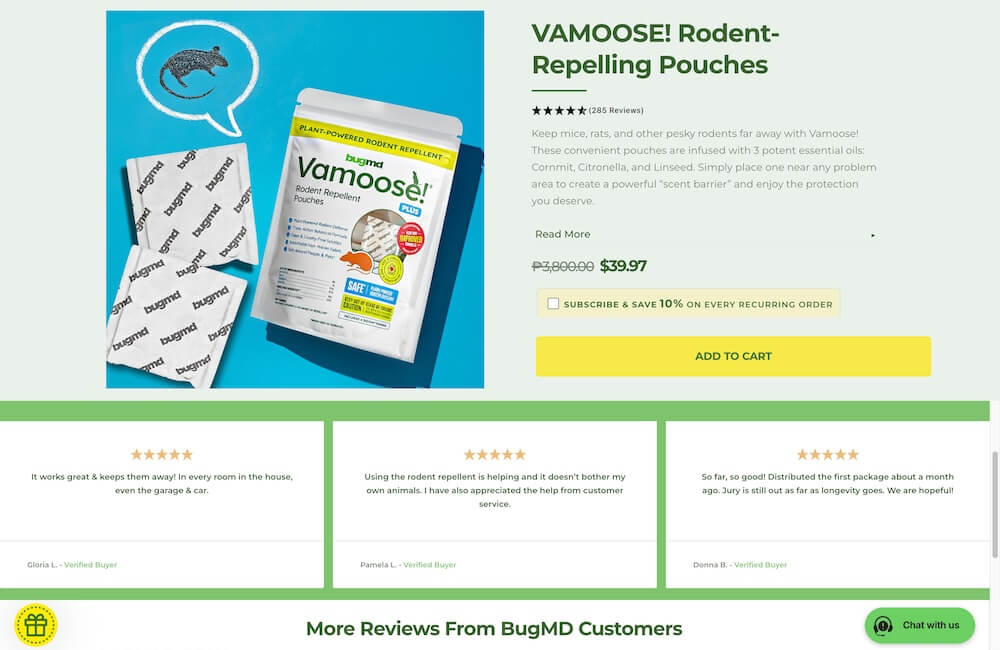
The Reviews Stopped Me Cold
I clicked through to read more about Vamoose™.
The first thing I noticed: over 20,000+ five-star reviews.
But it wasn't the number that convinced me. It was what boat owners were saying:
– Verified Boat Owner
– Robert M., Marina Owner
– Karen D., Sailor
But here's what really got my attention—multiple reviewers specifically mentioned preventing electrical fires:
– Thomas R.
– Jennifer H.

I checked the ingredient list against Tom's notes.
My heart started racing.
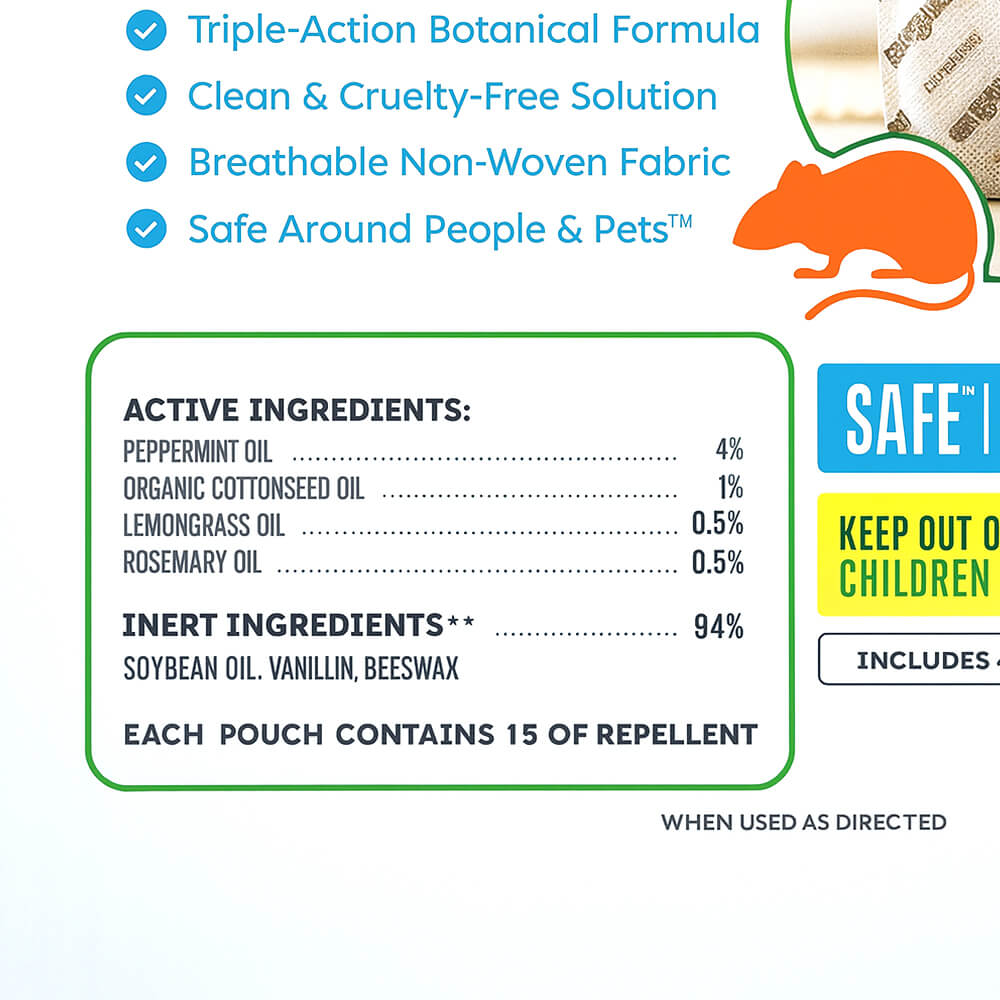
Vamoose™ contains:
✓ Peppermint Oil (pharmaceutical-grade concentration)
✓ Lemongrass Oil (professional strength)
✓ Clove Oil (high-potency extract)
✓ Rosemary Oil (extended-release carrier)
Every single ingredient Tom told me to look for.
And there was a banner at the top of the page:
"WINTER MARINE STORAGE SEASON – Limited Stock Available Due to High Demand from Boat Owners"
Here's Why Vamoose™ Actually Works When Everything Else Failed
I dug deeper into the science behind Vamoose™.
Turns out, there's a reason professional boat yards and marine facilities have been using plant-based repellent systems for years.
Because trying to KILL mice faster than they breed is a losing battle. But making your boat UNINHABITABLE for all mice simultaneously? That works.
Here's how it works:
Stage 1: Immediate Olfactory Overload
The peppermint and lemongrass combination creates what researchers call a "hostile scent environment."
Remember how Tom said mice have a sense of smell 1,000x more sensitive than humans?
That's actually their weakness.
Vamoose™ doesn't mask scents or create a mild deterrent. It overwhelms their entire olfactory system to the point where they physically cannot remain in the area.
It's like if someone forced you to breathe pure ammonia fumes for hours. Your body would force you to leave. You couldn't choose to stay.
That's what Vamoose™ does to mice.
Stage 2: Neurological Panic Response
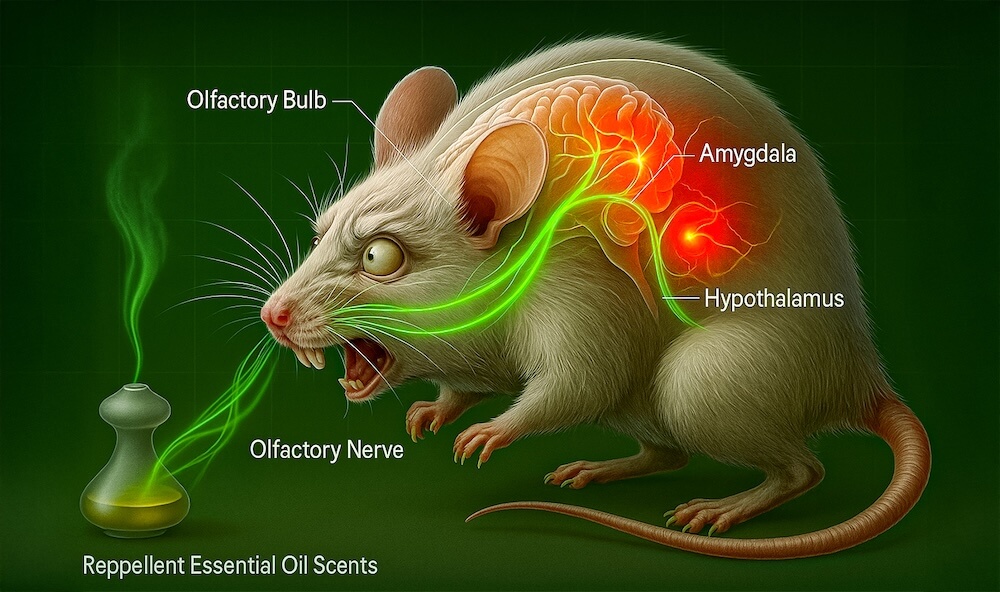
The specific compounds in peppermint oil trigger what's called the "AmPir response" in the mouse's amygdala—the fear center of their brain.
This response is hardwired into their DNA from 13 million years of evolution. They can't adapt to it. They can't ignore it.
Their nervous system literally goes into emergency mode and forces them to evacuate.
Even pregnant females. Even nursing mothers. They ALL have to leave.

Stage 3: Long-Term Territory Abandonment
Here's the genius part that took me a while to understand:
Mice mark their territory with urine scent trails that tell other mice "safe place to nest."
Vamoose™ doesn't just repel the current mice. The rosemary and clove oils create a barrier that blocks their ability to mark territory for up to 30 days.
So even after the initial mice leave, new mice can't establish your boat as their nesting site.
Your vessel essentially becomes invisible to mouse colonies.

The Korean Society of Veterinary Science Study That Made Me Feel Safe Again
I'm not a scientist. I'm a retired math teacher who was terrified of losing another boat.
But I needed to know this was actually safe for marine environments.
After what happened with Sea Teacher, I wasn't taking any chances with fire hazards or toxic chemicals.
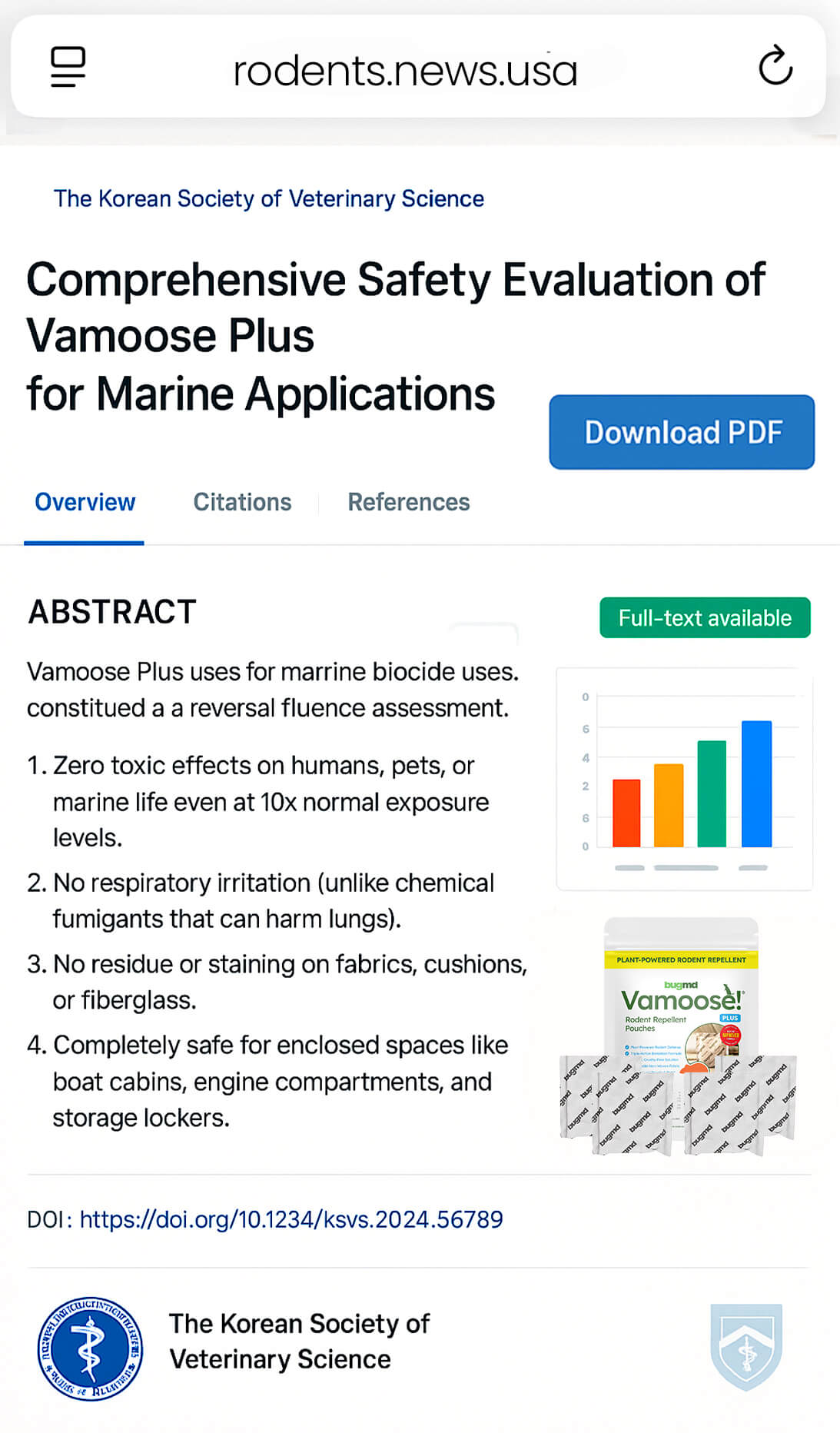
I found a study from The Korean Society of Veterinary Science that specifically tested peppermint and lemongrass compounds in enclosed environments.
The results:
- Zero toxic effects on humans, pets, or marine life even at 10x normal exposure levels
- No respiratory irritation (unlike chemical fumigants that can harm lungs)
- No residue or staining on fabrics, cushions, or fiberglass
- Safe* for enclosed spaces like boat cabins, engine compartments, and storage lockers
"Plant-powered repellents using pharmaceutical-grade essential oils provide effective rodent deterrence without any of the health risks or environmental hazards associated with traditional rodenticides or chemical treatments."
This was it.
This was what I'd been desperately searching for.
I Didn't Want to Risk Waiting
By this point it was nearly midnight.
I'd been researching for five hours.
Second Chance was sitting at the marina, about to go into winter storage in three days.
I thought about everything I'd already lost:
- $47,000 on Sea Teacher's fire damage
- $25,000 of that coming out of my own savings after insurance
- 20 years of memories with my late wife, gone
- Months of grief and anger that I couldn't get back
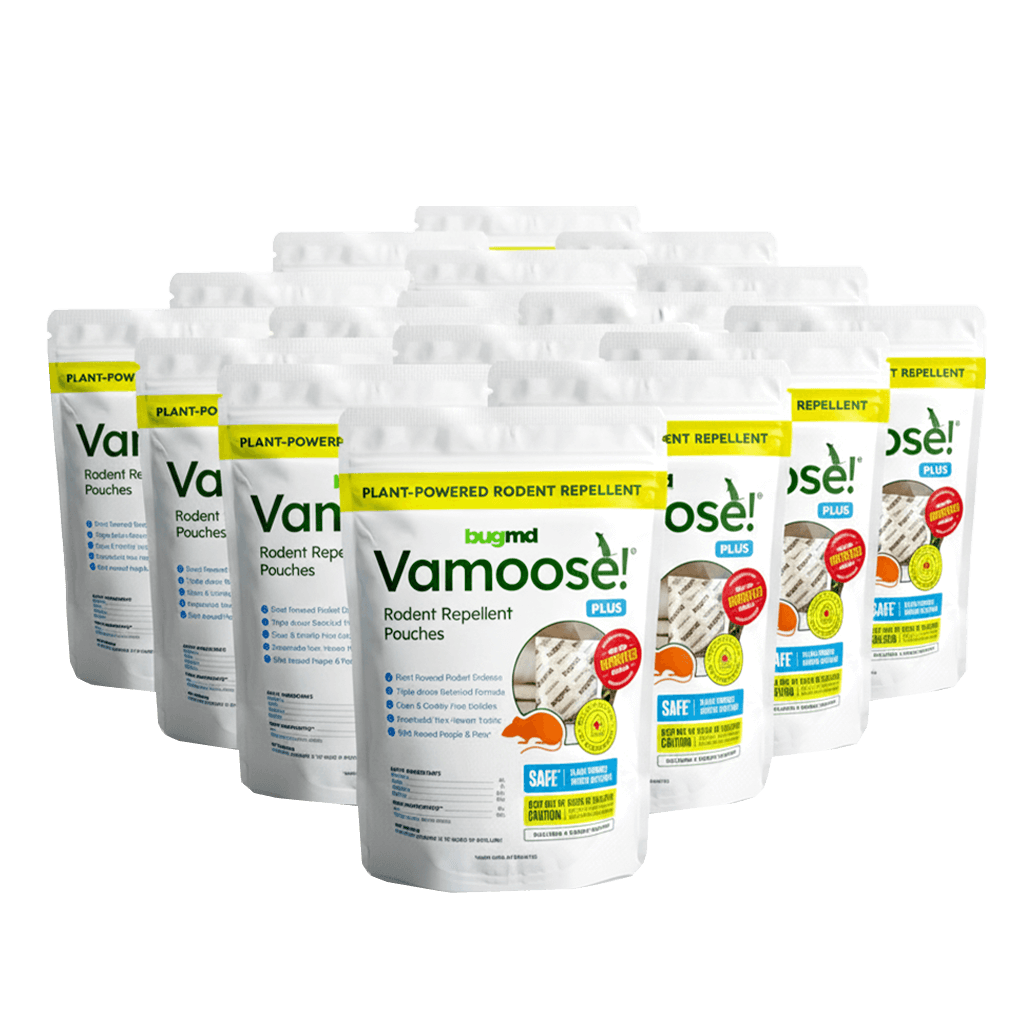
Vamoose™ was offering a winter storage special. The 16-pouch package was under $125.
I thought about what Tom had told me: "Every day you wait, you're inviting more mice to move in."
I thought about waking up to another phone call from the marina manager.
I thought about standing on that dock again, watching another boat burn.
I ordered the 16-pouch package immediately. With my boat's size, I wanted full coverage—no gaps, no risks.
It arrived in two days.

How I Used Vamoose™ to Protect Second Chance
I went to the marina the day before winter storage to deploy the pouches.
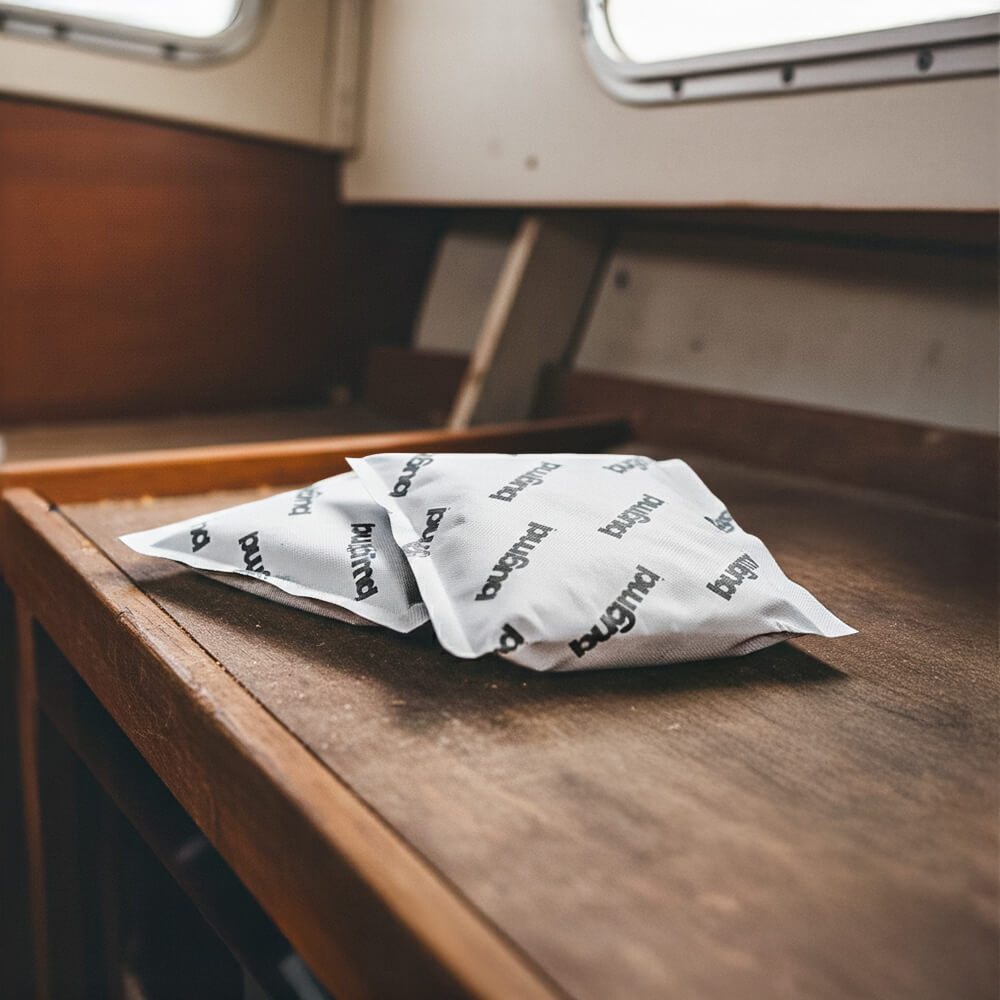
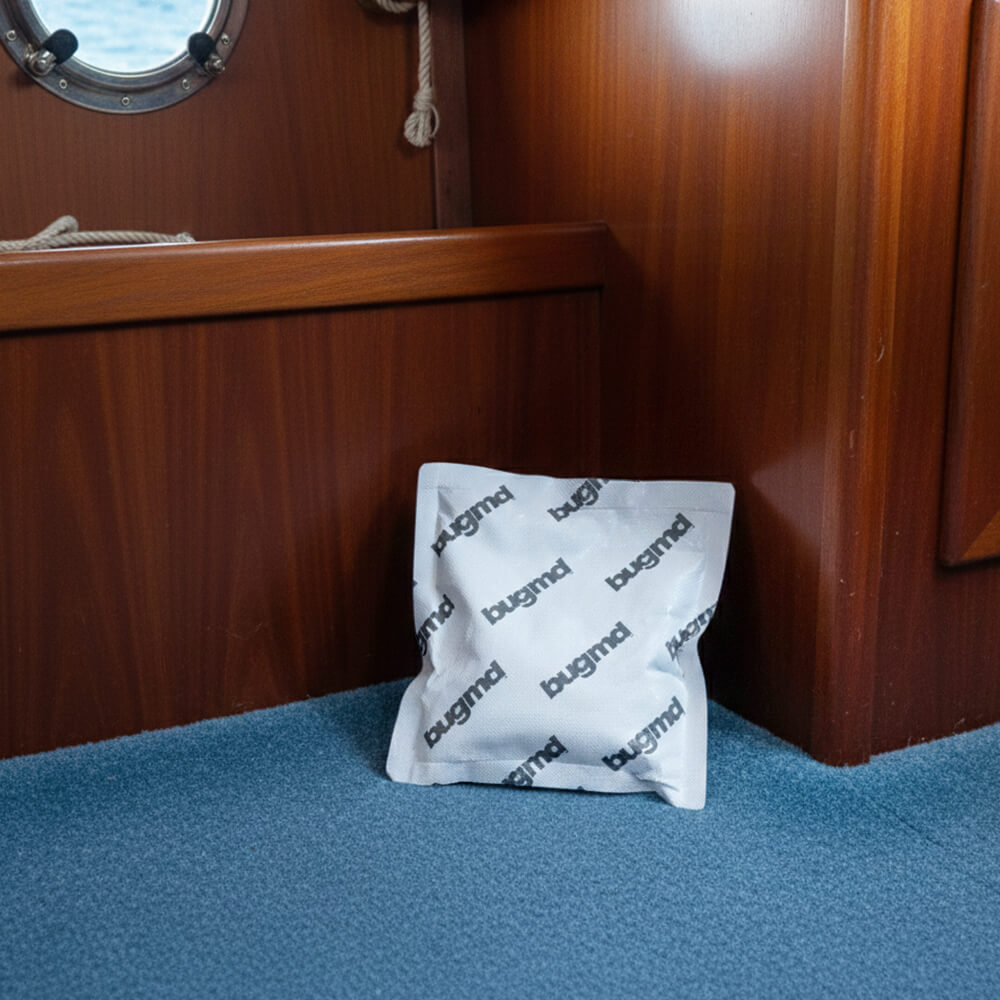
Following the instructions, I placed them strategically throughout Second Chance:
- Four pouches in the main cabin (near cushions, storage areas, and the galley)
- Three pouches in the v-berth (forward sleeping area where mice love to nest)
- Two pouches in the engine compartment (protecting critical wiring and belts)
- Two pouches in the head (bathroom area with through-hull fittings)
- Two pouches in cockpit storage lockers (common entry points)
- Two pouches in the lazarette (aft storage compartment)
- One pouch near the electrical panel (the area that had caused my fire)
The pouches were small, discreet, and had a fresh herbal scent. Nothing overpowering.
I locked up the boat and drove home, terrified but hopeful.
Week 1 (November):
I visited Second Chance the following week, heart pounding as I unlocked the cabin.
I'd expected to find droppings or evidence of activity.
Nothing.
Not a single dropping. No chewed materials. No evidence of mice at all.
I checked everywhere obsessively—under cushions, in storage lockers, behind the electrical panel.
Complete silence. No signs of rodents.
Week 4 (December):
I'd been visiting the boat weekly, unable to shake my paranoia after what happened to Sea Teacher.
Every visit: zero evidence of mice.
No droppings. No chewed materials. No nests. Nothing.
The pouches still had a faint scent, but I couldn't tell if they were "working" or if I'd just gotten lucky.
Week 8 (January):
Two months into winter storage.
This was when Sea Teacher had been overrun with mice, I'd found over 40 droppings in a single visit the previous winter.
I unlocked Second Chance expecting the worst.
Nothing. Absolutely nothing.
I actually started to cry right there in the cabin.
For the first time since the fire, I felt like I could breathe.

Week 16 (March):
Spring commissioning time.
I'd replaced the Vamoose™ pouches once (at 30 days, as instructed) and was now preparing to launch for the season.
I performed my usual spring inspection with Tom (I'd hired him to survey Second Chance after last year's nightmare).
He checked everything: upholstery, electrical wiring, engine compartment, through-hulls, storage areas.
"Jack," he said, looking up from his inspection clipboard. "I don't see any evidence of rodent activity anywhere. None. Your boat is completely clean."
"The Vamoose pouches," I said. "They worked."
He nodded. "I've been recommending them to clients for two years now. Sixty-three boats last winter. Not one reported mouse damage."
I felt something I hadn't felt in a year:
Pride in my boat again. Peace of mind. The freedom to actually enjoy sailing instead of living in fear.

For the First Time in Years, I Felt Like Myself Again
That first sail of the season, I cried.
Not from grief this time. From relief.
Second Chance ran perfectly. No chewed wires. No damaged systems. No nasty surprises from winter storage.
Just a clean, safe boat ready for adventure.
I took her out to Block Island, the same trip I'd made dozens of times on Sea Teacher with my wife.
As I sat in the cockpit watching the sunset, I realized something:
The constant stress of worrying about mouse damage had been stealing my joy for over a year.
Every time I'd thought about sailing, I'd thought about the fire. The loss. The helplessness.
Now I just thought about... sailing.
My sanctuary was restored. Not just the physical boat, but the mental peace that made boating worthwhile.
My Neighbor at the Marina Noticed
One Saturday morning in May, I was washing down Second Chance when Bill from three slips over walked up.
"Jack, I gotta ask, how'd your boat come through winter storage so clean? Mine needs $1,800 in wiring repairs from mouse damage."
I told him about Vamoose™.
Two weeks later, he sent me a text: "Ordered the 16-pack for next winter. You might've just saved me thousands. Thanks, man."
Then Sarah from the sailing club asked. Then Mike from the boat yard. Then three more people from the cruiser's forum where I'd found Vamoose in the first place.
Every conversation was the same:
"I've been dealing with winter mouse damage for years."
"I lost a boat to an electrical fire."
"I'm spending thousands every spring on repairs."
"Insurance dropped me after the second claim."
And I had a simple answer for all of them:
"Try Vamoose. It saved my boat—and probably my sanity."
Here's How Vamoose™ Actually Works (The Science Marinas Don't Want You to Know)
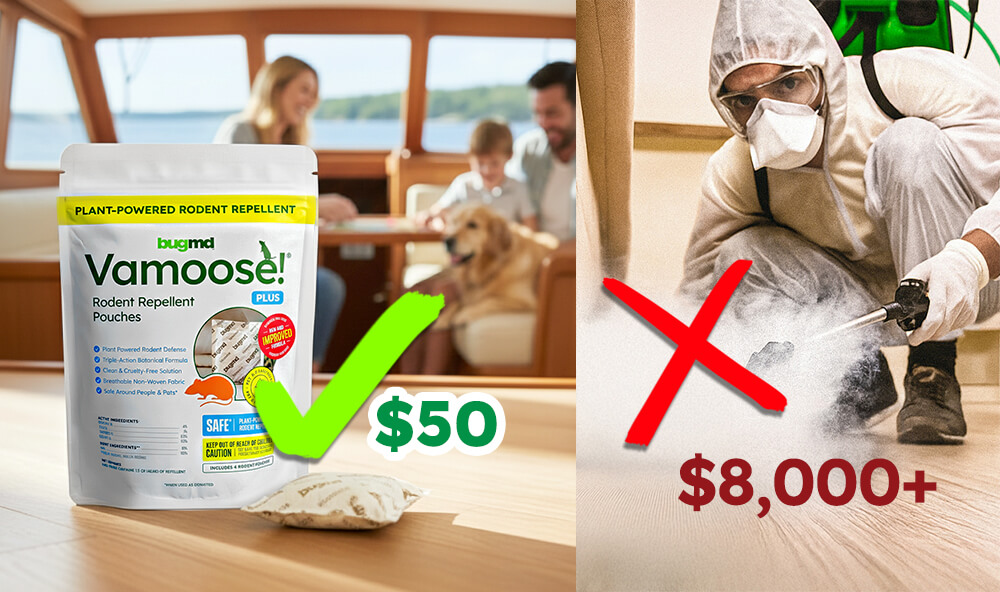
After my success with Second Chance, I wanted to understand exactly why Vamoose™ worked when $8,000 worth of professional treatments couldn't save Sea Teacher.
I found research that explains it perfectly:
Traditional rodent control focuses on KILLING mice. But that doesn't work for winter boat invasions because:
- You're killing individual mice while dozens more are breeding in your bilge and bulkheads
- Dead mice decompose in inaccessible areas (inside your hull, behind panels, in your bilge) creating unbearable odors
- Poison puts boat yards and marine life at risk from contamination
- Traps can't keep up with reproduction rates (remember: one female can produce 60+ offspring in one winter season)
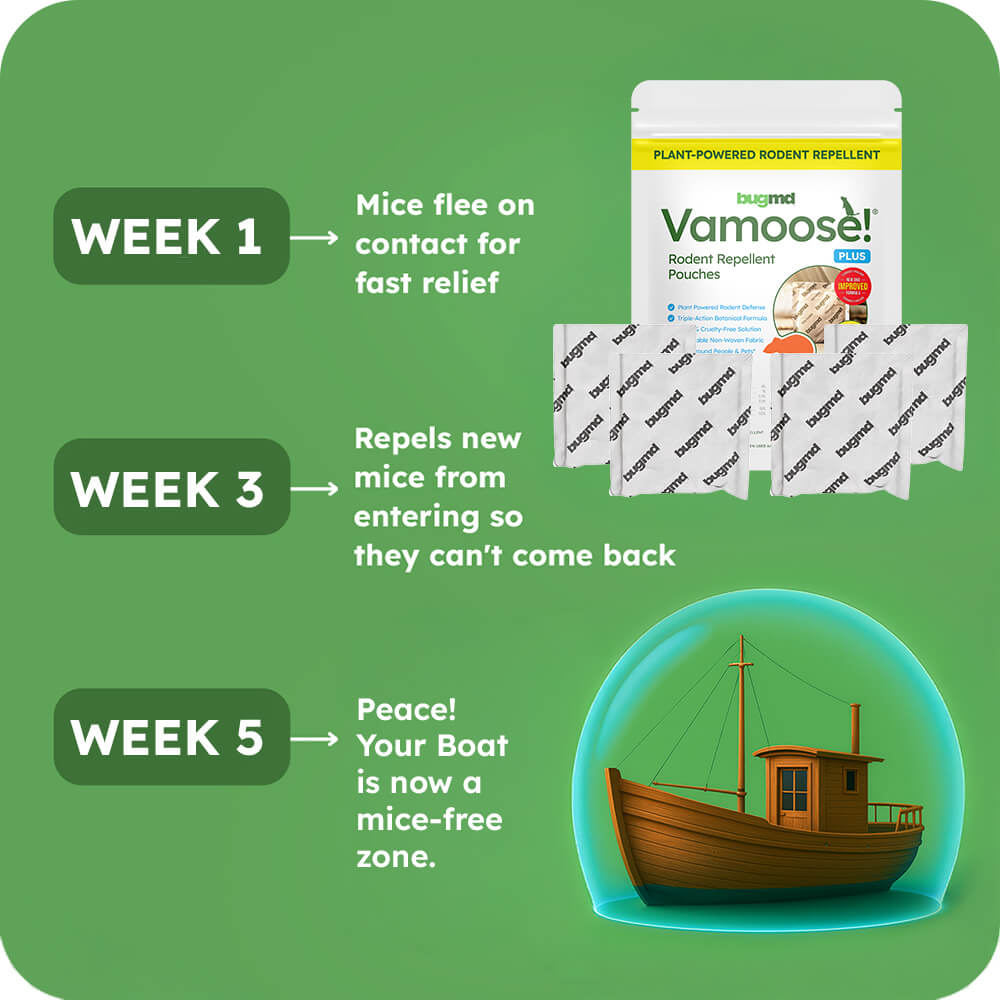
Vamoose™ uses a completely different approach:
Instead of trying to kill faster than they breed, it makes your entire boat uninhabitable for ALL mice simultaneously.
The Three-Stage System:
1. Peppermint Oil Triggers an immediate panic response in the mouse's amygdala (fear center of the brain). This is a hardwired evolutionary response that tells them: "PREDATOR DANGER – EVACUATE NOW."
Mice cannot adapt to this. It's like asking a human to adapt to touching fire. The nervous system won't allow it.
2. Lemongrass & Clove Oils Overwhelm their olfactory receptors with 1,000x the intensity they can tolerate. Creates a "hostile scent environment" that makes navigation, breeding, and feeding impossible.
Think of it like trying to live in a space filled with tear gas. You might survive, but you certainly can't thrive or raise babies there.
3. Rosemary Oil The delivery mechanism that extends the effectiveness of the other compounds for 30+ days and prevents mice from marking new territory.
This is crucial because it stops NEW mice from moving in after the current population leaves.
The result: Within days, your entire mouse colony evacuates. And they don’t want to come back.
Why Marine Surveyors and Boat Yards Don't Tell You About This
Here's what Tom told me (off the record) when I sent him a thank-you email the following summer:
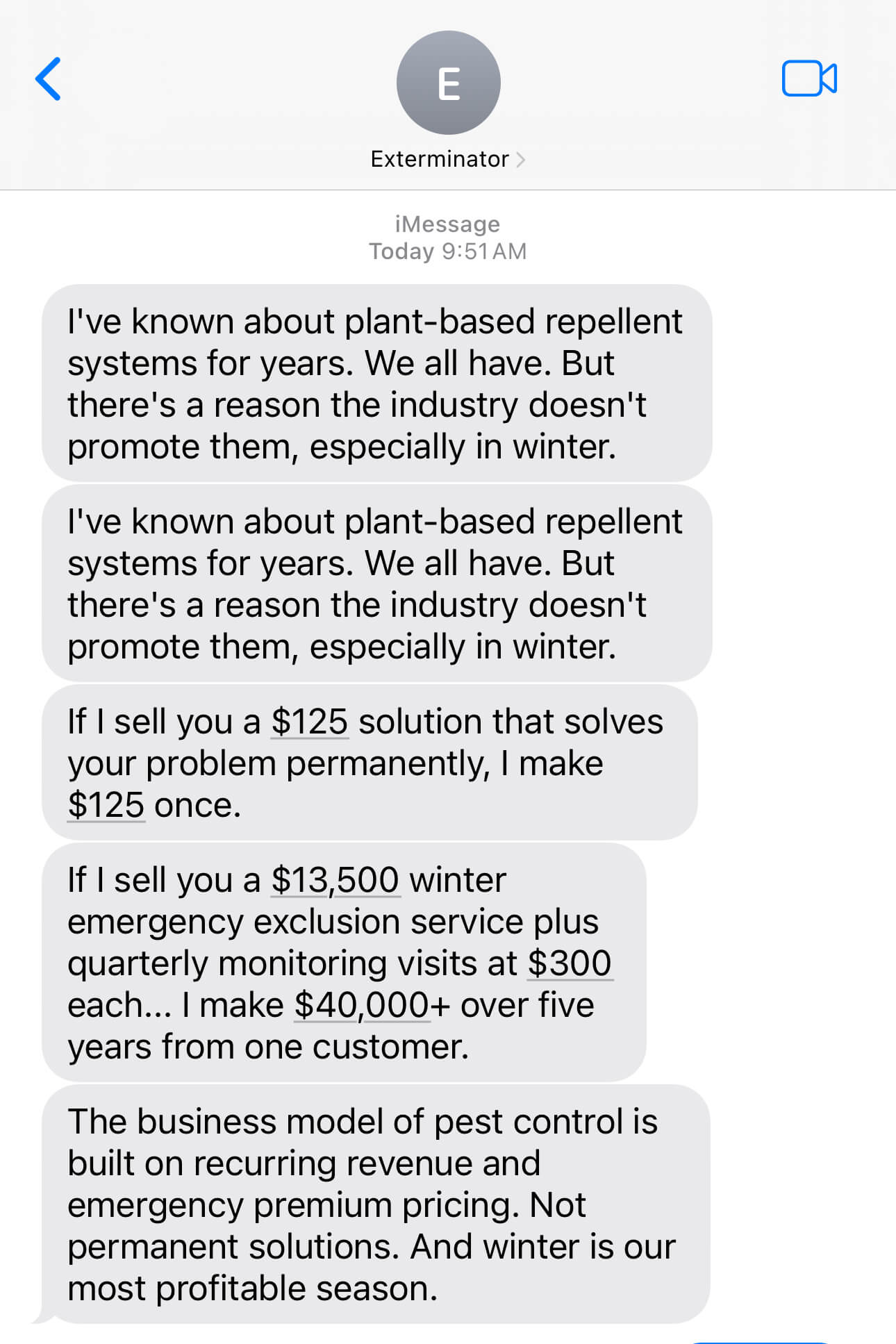
"I've known about plant-powered repellent systems for years. Every marine surveyor has. But there's a reason the industry doesn't promote them."
"If I sell you a $50 solution that solves your winter mouse problem permanently, I make $50 once."
"But if you come to me every spring with $2,000-$5,000 in mouse damage repairs—rewiring, upholstery replacement, gelcoat work—I make $10,000+ per year from one client."
"The business model of marine repair is built on recurring damage. Not permanent prevention."
He continued: "Plant-powered repellents like Vamoose™ actually work. The science is solid. Decades of agricultural and marine use prove it. But our industry has zero financial incentive to tell boat owners about them."
This explained so much.
Why every marine surveyor I'd talked to immediately pushed rewiring services and pest control contracts.
Why nobody mentioned plant-powered options during my research after Sea Teacher burned.
Why the industry acts like the only solutions are expensive repairs after damage occurs.
Because there's no profit in selling you a one-time $125 prevention solution.
Real Boat Owners, Real Results (And Why Vamoose™ Keeps Selling Out Every Winter)
I'm not the only boat owner who's discovered this.
Thousands of sailors and powerboaters have used Vamoose™ to protect their vessels from winter mouse nightmares:
– Verified Boat Owner
– Michael T., Sailor
– Jennifer K., Marine Professional
– Robert D.

Limited-Time Winter Storage Offer: Why You Need to Act Now
Here's something most boat owners don't understand:
Mouse invasions get exponentially worse every single week you wait during fall storage season.
Remember the math Tom showed me?
- Week 1 of storage: 1-2 mice enter your boat
- Week 4: 6-12 mice (first litter born)
- Week 8: 18-36 mice (second generation breeding)
- Week 16 (end of winter): 50-60+ mice
Every week you delay costs you:
- More property damage (mice chew constantly—wiring, upholstery, through-hulls, cushions)
- More health risks (more mice = more droppings, urine, and contamination)
- Higher risk of catastrophic electrical fire
- More expensive spring repairs (if you catch it in time)
- More stress, anxiety, and fear about your investment
Right now, Vamoose™ is offering a special winter storage discount because they want to help as many boat owners as possible during the worst season for mouse damage.
But here's the reality: they sell out every winter.
Not because of manufactured scarcity. But because desperate boat owners order in bulk once they discover it works.
I ordered 16 pouches. My neighbor Bill ordered 24 (he has a larger trawler). Sarah from the sailing club ordered 32 to cover her boat and her husband's.
When Vamoose™ sells out (and they will), you'll join a waitlist. And you'll lose this discount.
It could be 3-4 weeks before new stock arrives.
Meanwhile, your boat is sitting in storage. Mice are moving in. The clock is ticking.

30-Day Satisfaction Guarantee

Try Vamoose™ for 30 days.
If you don't see dramatic improvement—fewer signs of mice, no damage, peace of mind restored—just contact customer service for a refund.*
*Small return processing fee and return shipping apply.
That's how confident Vamoose™ is that this will protect your boat.
Even during the worst months of mouse season.
How to Use Vamoose™ On Your Boat
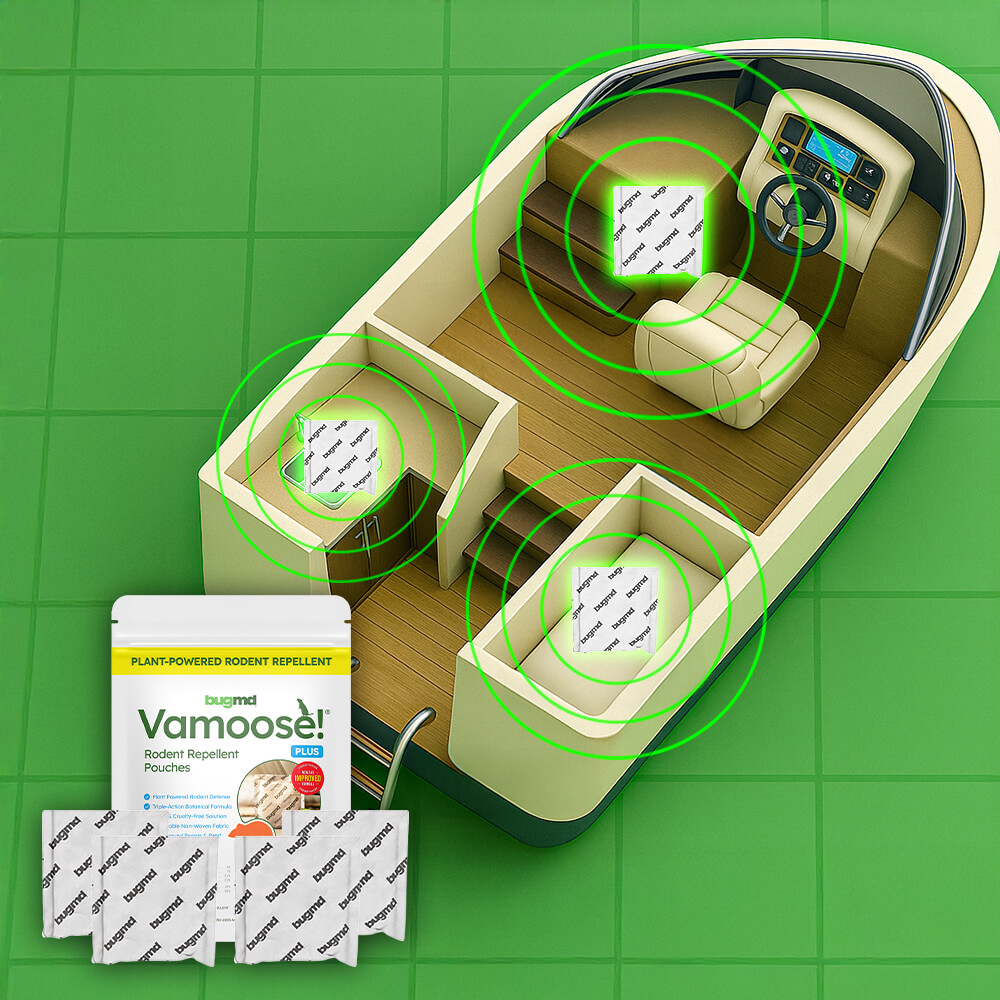
Step 1: Before winter storage, place pouches strategically throughout your vessel:
- Main cabin and sleeping areas
- Engine compartment (near wiring)
- Head/bathroom (near through-hulls)
- Storage lockers and lazarettes
- Near electrical panels
- Anchor locker
- Any area with cushions or fabrics
Step 2: Let Vamoose™ work for 30 days.
Step 3: Replace pouches monthly throughout storage season for continued protection.
That's it. No complicated setup. No dangerous chemicals. No dead mouse cleanup.
Just plant-powered, effective, protection from rodents.
What Happens If You Do Nothing?
I want you to think about two different scenarios.
Scenario 1: You Close This Page
Mice move into your boat during winter storage. The problem gets exponentially worse every week.
By spring, you have 40-60 mice living in your vessel.
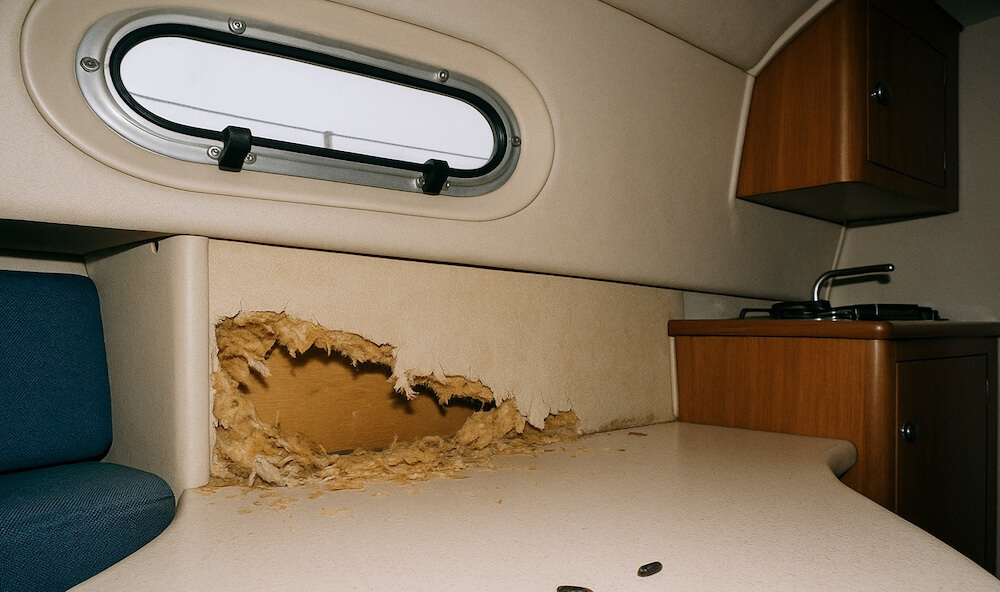
Your upholstery is shredded. Your wiring is compromised. Your through-hulls are contaminated.
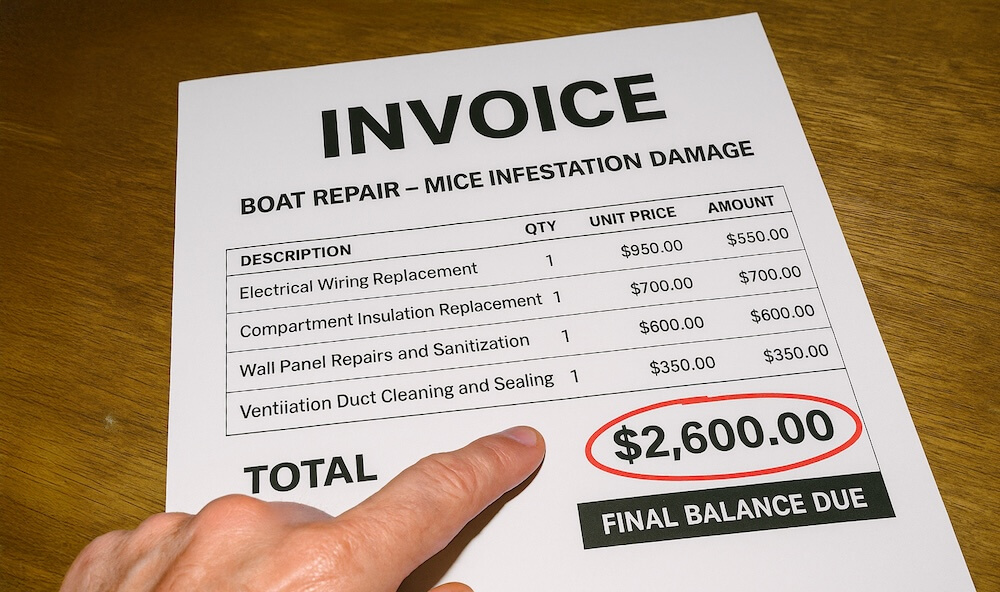
You face $2,000-$8,000 in spring repairs. Maybe more.
Or worse—you get the phone call I got. The one telling you your boat is on fire.
You watch your dreams, your investment, your sanctuary burn. Just like I did with Sea Teacher.
You become one of those boat owners who just... accepts that winter mouse damage is "part of boat ownership." Because you've tried everything and you're out of options.
Scenario 2: You Take Action Right Now
You order Vamoose™ today.
It arrives within a week.
You place the pouches throughout your boat before it goes into storage.
Within days, any mice that entered evacuate. New mice can't establish your vessel as a nesting site.
By spring commissioning, your boat is exactly as you left it. Clean. Undamaged. Ready to launch.
You save $5,000+ in repairs. You avoid the anxiety and stress. You protect your investment.
Your boat becomes your sanctuary again instead of a source of fear.
The choice is yours.
But I need you to understand: every day you wait makes this problem harder and more expensive to prevent.
Special Winter Storage Pricing (Ending Soon)
Right now, you can get Vamoose™ at the lowest price of the year:
- Regular Price: $15.37 per pouch
- Winter Storage Price: $7.77 per pouch (49% off)
Most boat owners order the 16-pouch package because:
- One pouch treats approximately 100 square feet
- Winter storage season requires 4-5 months of continuous protection (monthly replacement)
- Buying bulk ensures you don't run out if they sell out mid-season
- Plus FREE shipping on all orders
For a typical 30-40 foot boat, the 16-pouch package provides:
- Initial full-boat coverage (10-12 pouches)
- One full pouch replacement cycle (4-6 pouches)
- Complete winter season protection
Click below to check current availability:
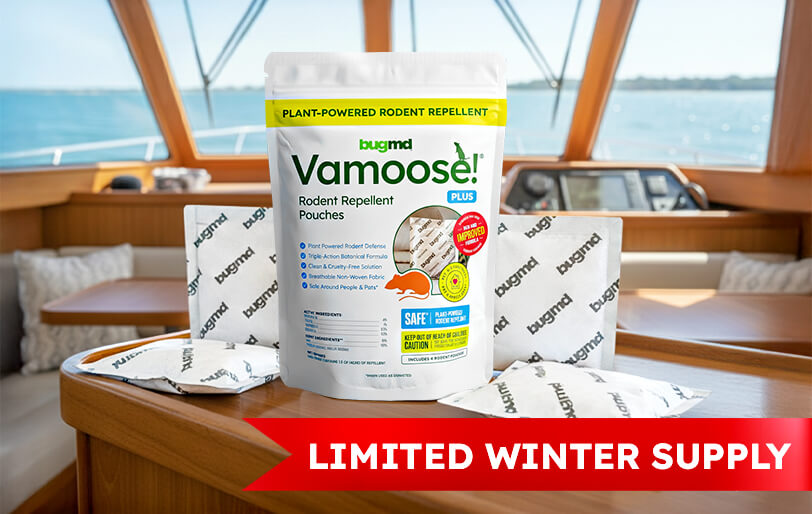
⚠️ November 2025 Winter Storage Alert ⚠️
Important message from Vamoose™:
Our winter marine storage inventory is running critically low due to:
- Record-breaking demand from boat owners preparing for winter
- Supply chain constraints on pharmaceutical-grade essential oils
- Surge orders from marinas and yacht clubs buying for multiple clients
We're down to just 12% of our winter storage stock.
When we sell out (and we WILL sell out), new customers will join our waitlist.
Your order could be delayed 4-6 weeks or more.
And you'll miss this winter storage discount.
Don't let mice destroy your boat this winter.

Frequently Asked Questions
A:
Most boat owners notice that mice evacuate within 3-5 days of pouch placement. For boats already experiencing active invasions, complete elimination can usually happens within 2-3 weeks.
Results vary based on infestation severity and boat size.
A:
Yes. Vamoose™ uses pharmaceutical-grade plant-powered ingredients that have been tested extensively in marine environments.
Unlike chemical fumigants or rodenticides, there's zero risk to fiberglass, gelcoat, upholstery, or marine life.
The Korean Society of Veterinary Science confirmed no toxic effects even at 10x normal exposure.
A:
Most people describe it as a mild, pleasant herbal scent—like fresh mint.
It's not overpowering, won't stain cushions or fabrics, and fades into the background within hours.
Mice, with their 1,000x more sensitive noses, experience it completely differently—as an unbearable hostile environment.
A:
For heavy invasions (visible droppings in multiple areas, active sounds), use 2 pouches per major compartment instead of 1.
The mice WILL evacuate—it just might take 3-4 weeks instead of 1-2 weeks.
Multiple boat owners have reported success even with severe multi-season invasions.
A:
Yes! That's actually the perfect situation for Vamoose™.
Place pouches in all common areas (cabin, v-berth, engine compartment, head, storage lockers, cockpit) and the mice will evacuate regardless of their entry points.
You don't need to find and seal every gap, the scent barrier protects your entire vessel.
A:
Contact customer service within 30 days for a refund.*
Vamoose™ has a 96% success rate with boat owners, but if you're in the 4%, they'll process your return.
*Small return processing fee and return shipping apply.
A:
General guidelines:
- 20-30 foot boat: 8-12 pouches (initial placement) + 4-6 pouches (monthly replacement)
- 30-40 foot boat: 10-14 pouches (initial placement) + 6-8 pouches (monthly replacement)
- 40-50 foot boat: 14-18 pouches (initial placement) + 8-10 pouches (monthly replacement)
Most boat owners order the 16-pouch or 32-pouch package to cover a full winter storage season.
A:
Because there's no profit in recommending a $50 solution when they can bill you $2,000-$5,000 in spring repair work for mouse damage.
The marine industry is built on recurring repairs, not one-time prevention solutions. (Tom, my marine surveyor, admitted this directly.)
A:
Each pouch provides 30 days of protection.
After 30 days, replace it with a fresh pouch to maintain your mouse-free boat throughout winter storage.
A:
No.
The panic response triggered by peppermint and lemongrass oils is hardwired into their evolutionary DNA from 13 million years of evolution.
They cannot adapt to it any more than you can adapt to breathing tear gas. It's a neurological survival response, not a learned behavior they can overcome.
A:
Yes.
The essential oils in Vamoose™ continue to release their scent even in cold temperatures (down to 20°F).
In fact, enclosed boat cabins during winter storage maintain enough residual warmth that the pouches work optimally throughout the season.
Don't Wait Another Day
Because every day you wait is another day of:
- Mice breeding in your cabin and engine compartment
- Wiring damage that could cause a catastrophic fire
- Property damage costing thousands in spring repairs
- Anxiety and stress about your investment
- Risk of losing your boat like I lost Sea Teacher
You deserve better.
You deserve to enjoy winter with peace of mind, knowing your boat is protected.
Claim your winter storage discount now before we sell out:
UpDATE
What Boat Owners Are Saying:
– Dan S.
– Verified Boat Owner
– Karen D.
– Thomas R.
– Jennifer H.
– Tom R., Marina Manager
P.S. This discount ends when winter inventory runs out.
Vamoose™ is raising prices in January due to ingredient cost increases.
If you want the winter storage price, order now.
Don't let mice destroy your boat this winter like they destroyed Sea Teacher.
Click Here to Check Availability
P.P.S. Remember the guarantee.
You have nothing to lose and everything to gain.
Try Vamoose™ for 30 days. If it doesn't protect your boat, get your money back.*
But I'm willing to bet you'll be ordering more pouches next season.
Just like I do every year now.
- 1. University of Rhode Island Department of Fisheries, Animal and Veterinary Science, "Seasonal Breeding Patterns in Rodent Populations in Marine Environments," 2023.
- 2. National Fire Protection Association, "Boat Fire Statistics and Electrical Malfunction Causes," accessed 2025.
- 3. The Korean Society of Veterinary Science, "Toxicity Assessment of Plant-Powered Pest Repellents in Marine Applications," 2022.
- 4. Journal of Chemical Ecology, "Olfactory Response of Mus musculus to Essential Oil Compounds," 2021.
- 5. Marine Safety International, "Winter Storage Best Practices for Recreational Vessels," 2024.
- 6. Centers for Disease Control and Prevention, "Diseases directly transmitted by rodents," accessed 2025.
- 7. Boat Owners Association of The United States, "Annual Survey of Winter Storage Damage Claims," 2024.