
*The person's story described below is fictitious and was instead founded on experiences shared by BugMD customers.
The biggest lie about mice is that you have to choose between your pet's safety (and your kids) and a method that actually gets rid of mice.
You don't.
Here's what I learned about mice the night I almost lost my dog... and why I threw away my last glue trap for good.
I never thought I'd be the woman writing a story like this.
I'm the kind of person who carries spiders outside in a juice glass.
Who feeds the deer behind our barn.
Who once sat in the rain for forty minutes waiting for a snapping turtle to finish crossing the road, because I was too afraid to pick him up the wrong way.
I'm not preachy about it. I just... can't.
So when the mice started showing up in our kitchen last fall, I was already in trouble.
Because I had decided, before there was even a problem, that there were certain things I wouldn't do.
I wouldn't poison them.
Not with Cooper, our 9-year-old beagle mix, sleeping six feet from where I'd be setting bait.
I'd read enough about secondary poisoning.
My neighbor down the road lost her terrier two years ago to a mouse that had eaten rodenticide somewhere in the field behind her property.
And after one absolutely soul-crushing experience in my first year of marriage, decades ago, I would never, ever buy another glue trap.
That left me with... what?
Snap traps that worked for two weeks before the mice got smart?
Live traps that I'd drive a mile out and release, only to find new droppings on my counter three days later?
Ultrasonic plug-ins that did exactly nothing?
This is the story of how my "Mice War" almost cost me my dog.
And how I finally found 1 simple trick that didn't ask me to choose between solving the problem and being humane.
If any part of that sounds like you, please keep reading.
My Name Is Diane R. I'm 62, Retired, And I Live In A 1920s Farmhouse In Rural Illinois.
The mice came in October, the way they always do.
A few droppings in the pantry.
A chewed corner on a bag of birdseed in the mudroom.
Then one Saturday morning, a small gray flash darting along the baseboard while I was making coffee.
Cooper, who is too old and too lazy to chase anything anymore, lifted his head, blinked, and went right back to sleep.
I stood there with my coffee getting cold and thought, "Okay. Here we go again."

Here's what nobody tells you about pest control if you have pets and a conscience: every option you read about online assumes you have neither.
Snap traps?
"Quick and humane."
Until you find one half-sprung at 3am, with a mouse still alive, and you have to stand there in your bathrobe and figure out what to do next.
I did that twice in October.
The second time, I cried in my kitchen for twenty minutes.
The third time, I bought live-catch traps.
The little plastic boxes with a trap door.
Caught a mouse the first night.
Drove him a mile down the gravel road and released him in a field at dawn, feeling pretty pleased with myself.
Three days later, fresh droppings on the counter.
I caught another one.
Drove him out.
Three days later, more droppings.
I called my friend Beth, laughing about it.
"I've become the local mouse Uber. I'm just driving them in circles."
She wasn't laughing.
"Diane. They come back. Or other mice find the same hole. You're not solving anything. You're just... commuting."
She was right.
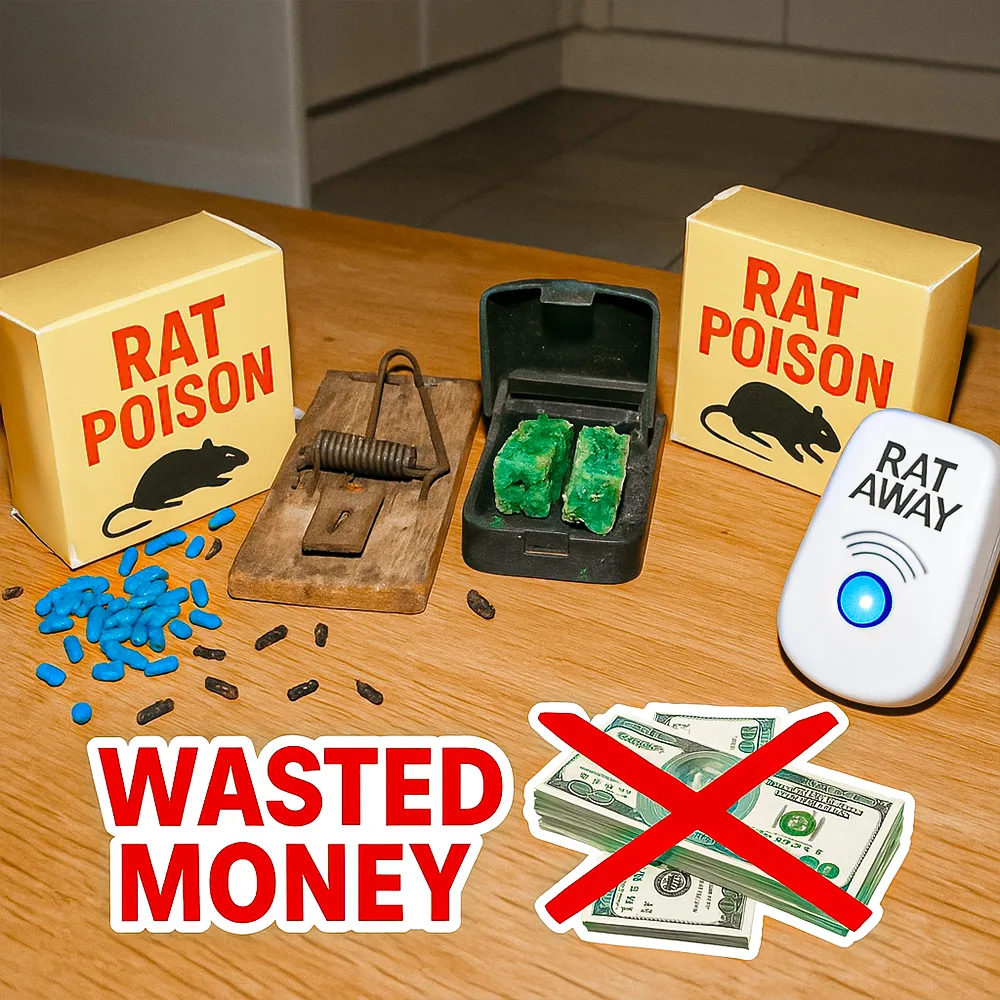
Then came the snap traps again.
Catching a few mice.
Then catching nothing for weeks.
The mice had figured out the trigger and started stealing the bait without setting it off.
I'd watch peanut butter disappear overnight while the bar stayed loaded.
Then the ultrasonic plug-ins. $80 wasted.
Cooper didn't react to them, which was the only good thing I could say.
The mice didn't react either.
By December, I was finding droppings everywhere.
Behind the stove.
Under the bathroom sink.
In a drawer of dish towels I'd just washed. On my cookbook shelf.
I called an exterminator. He came out, looked around for an hour, and gave me a quote.
$5,800 for full treatment. Bait stations in the basement, the attic, the garage, plus three follow-up visits.

He looked at Cooper, who was happily licking the man's boots.
"Honestly, ma'am, with the dog... I'd be hesitant.
The bait stations are tamper-resistant, but if Cooper finds a mouse out in the yard that's gotten into the bait, that's the part I can't control.
Most of my clients with pets do it anyway.
But I'd be lying if I said it was zero risk."
I wrote the check for the consulting fee and walked him to the door, knowing I wasn't going to call him back.
That night, I sat at the kitchen table and thought about it honestly.
I had a real problem.
The mice were not going to "just leave."
Cooper was going to find one eventually.
My grandkids were coming for Christmas.
I had to do something.
But what?
I'd already eliminated:
• Poison (Cooper)
• Snap traps (the half-sprung ones break me)
• Glue traps (over my dead body)
• Live traps (they come back)
• Ultrasonic (didn't work)
• Exterminators (too expensive, still risky)
I felt cornered. Not by the mice. By my own values, sitting on top of a real problem that was getting worse by the week.
That was the place I was in when I made the mistake that nearly cost me my dog.
The Glue Trap Night
I want to tell you exactly how this happened, because I think it's the moment that breaks the most pet owners.
The moment where you do the thing you swore you wouldn't do, just to feel like you're doing something.
It was a Sunday in early February. I'd run to the hardware store for a furnace filter.
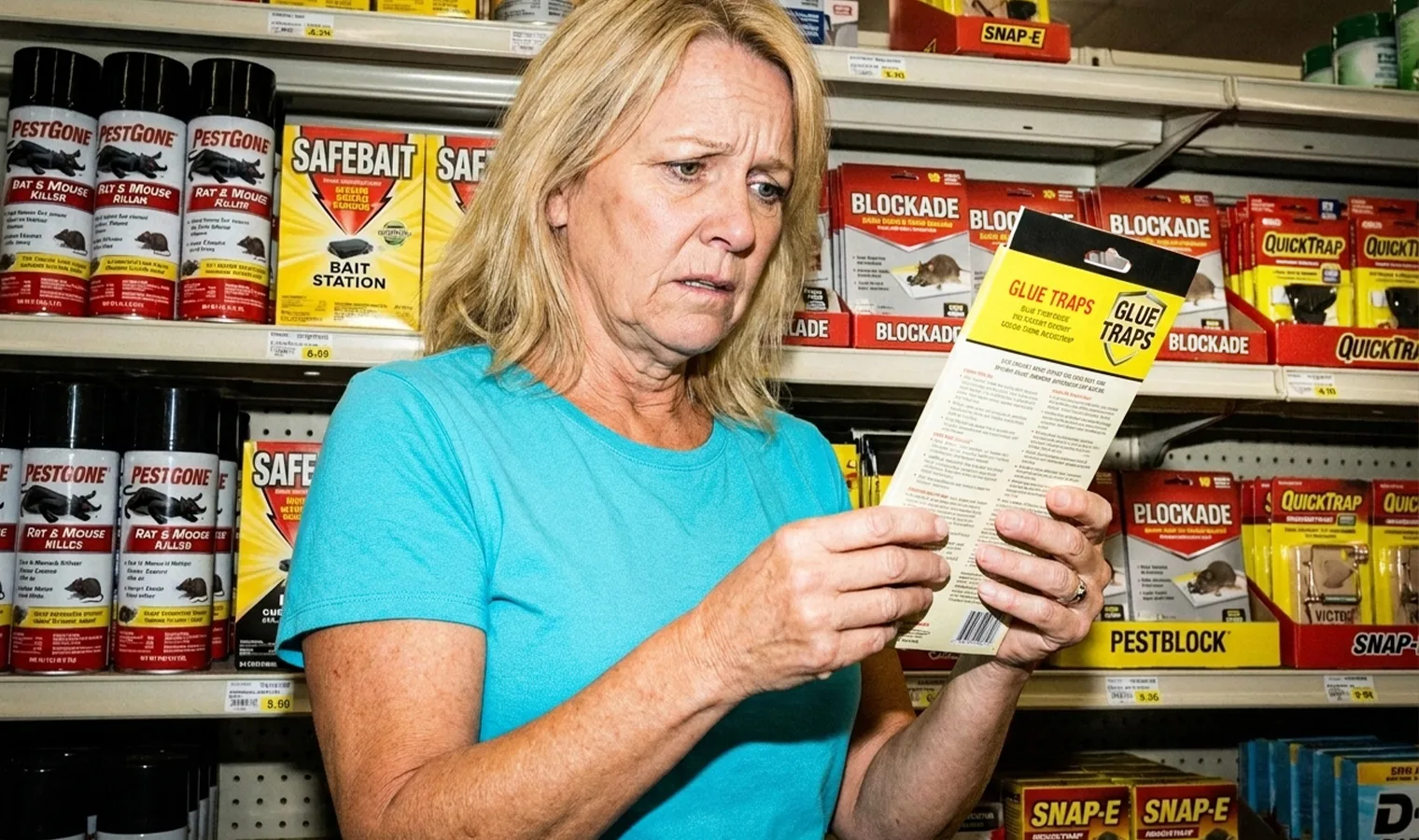
On a shelf near the register, there was a stack of glue traps.
Cheap, generic, the kind I hadn't bought in 35 years.
I stood there looking at them.
I thought about the droppings I'd found that morning, on the counter where I knead bread dough.
I thought about Christmas dinner, and how I'd had to wipe down every cabinet before I could cook. I thought about my husband saying, "Diane, you have to do something. We can't keep living like this."
I bought four of them.
That's the moment I want you to remember.
The Moment A Person Who Knows Better, Who Has Spent A Lifetime Catching Spiders In Juice Glasses, Picked Up Four Glue Traps Because She Was Tired And Out Of Options.
I set them out that night after Cooper went to bed in our room.
One under the kitchen sink. One behind the stove. One in the pantry. One in the hall closet.
At 4:30 in the morning, I heard a sound from the kitchen.
It wasn't a mouse. It was Cooper.
I got out of bed and walked downstairs in my robe, and there he was, in the kitchen, with his nose two inches away from the glue trap under the sink.
The cabinet door was open, somehow.
I don't know if I'd left it cracked or if he'd nosed it open. He was leaning forward, sniffing.
There was a mouse on the trap. Still alive. Squeaking.
Cooper tried to mouth it.
I screamed his name and grabbed his collar and pulled him back, hard, and he yelped, and then he just stood there looking up at me, confused.
I stood in my kitchen at 4:30am, holding my dog by the collar, with a mouse dying on a piece of cardboard six inches from his face, and I thought:
"What Am I Doing? I'm Putting My Dog At Risk To Do The Thing I Couldn't Bring Myself To Do Anyway. What Is Wrong With Me?"
I'll spare you the rest.
The mouse, the trap, the part where I had to decide what to do. I cried so hard I made myself sick.
I threw the other three glue traps in the trash that morning, still sealed.
I put a chair in front of the cabinet so Cooper couldn't get back in there.
I sat on the kitchen floor with him for an hour, holding his face in my hands, apologizing to him.
That was rock bottom.
Or so I thought.
Cooper Stops Eating
Three days later, Cooper started acting strange.

He'd always been a chow hound.
The kind of beagle who knows exactly when dinner is and reminds you with his face on your knee.
That Wednesday, he didn't finish his breakfast.
Thursday, he didn't touch it at all.
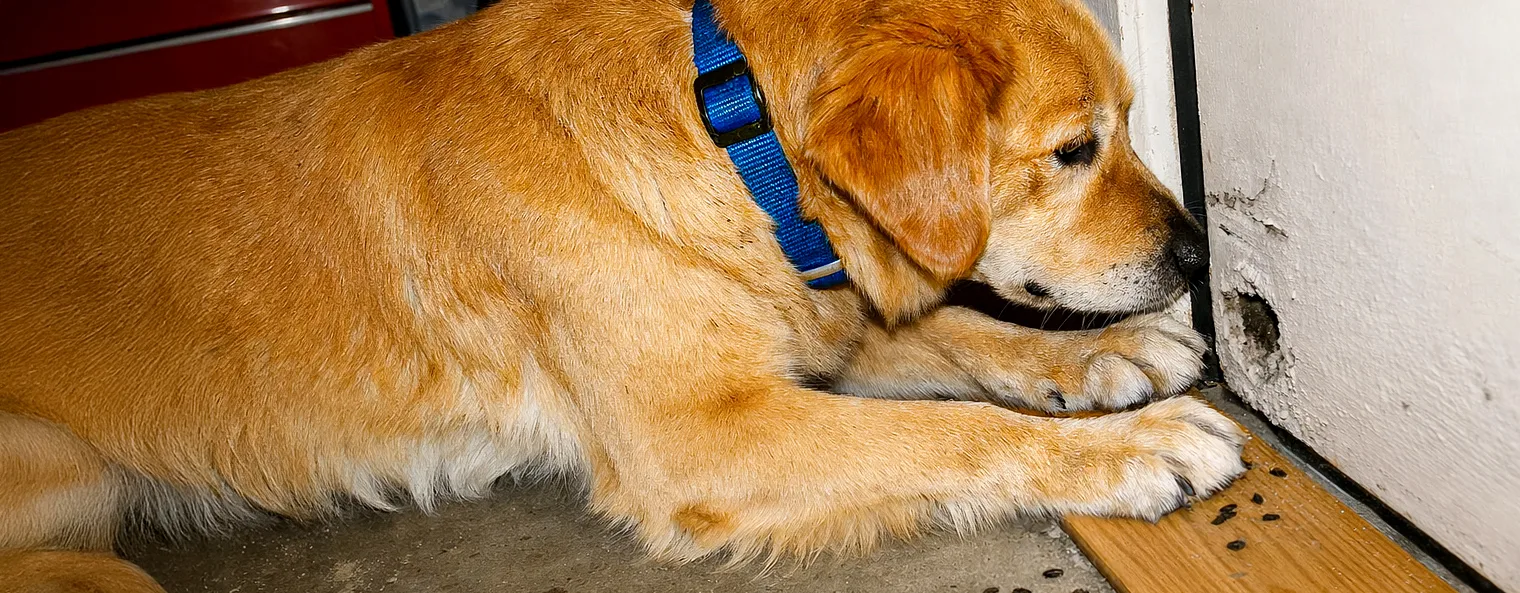
Friday, he was scratching at the wall behind the dishwasher and whining.
Saturday morning, I caught him licking at something on the floor near the basement door, and when I got close, I saw it was a smear of mouse droppings.
I called the vet at 8am.
Dr. Owen has been our family vet for 17 years.
He's a quiet, deliberate man in his late 50s, runs a small mixed-practice clinic on the edge of town.
He's the kind of vet who, when you tell him your dog ate something, doesn't just ask "what."
He asks "where did it come from, and what was that thing into before your dog got it."
I told him the whole story on the phone.
The mice.
The glue trap.
The droppings on the kitchen floor. Cooper's appetite.
The scratching at the walls.
"Bring him in this afternoon."

Dr. Owen ran bloodwork.
Cooper's allergic markers were elevated. Not dangerously, but enough.
"He's reacting to something in the environment.
Mouse allergens are a real thing in dogs, particularly older dogs whose immune systems are working harder.
The dander, the urine proteins, the dried droppings. If he's been licking at it, breathing it, lying near it, his body is responding."
He set down the chart and looked at me over his glasses.
"Diane, I know you. You're not going to use poison.
So I'm not going to lecture you about that.
But you do have to eliminate the source. Not reduce it. Eliminate it. And the longer Cooper is in that environment, the worse this gets."
I sat there in the exam room with Cooper's head on my knee, and I asked Dr. Owen the question I'd been afraid to ask anyone.
"Owen, is there anything that actually works? Without traps. Without poison. Without driving them out one at a time and watching them come right back?"
He smiled, the way you smile at someone you've been waiting for.
"Yes. There is. Let me tell you about something one of my wildlife rehab people put me onto last year."
What Dr. Owen Told Me About Mice
I want you to read what Owen said next very carefully, because it changed how I thought about every method I'd been wasting time on.
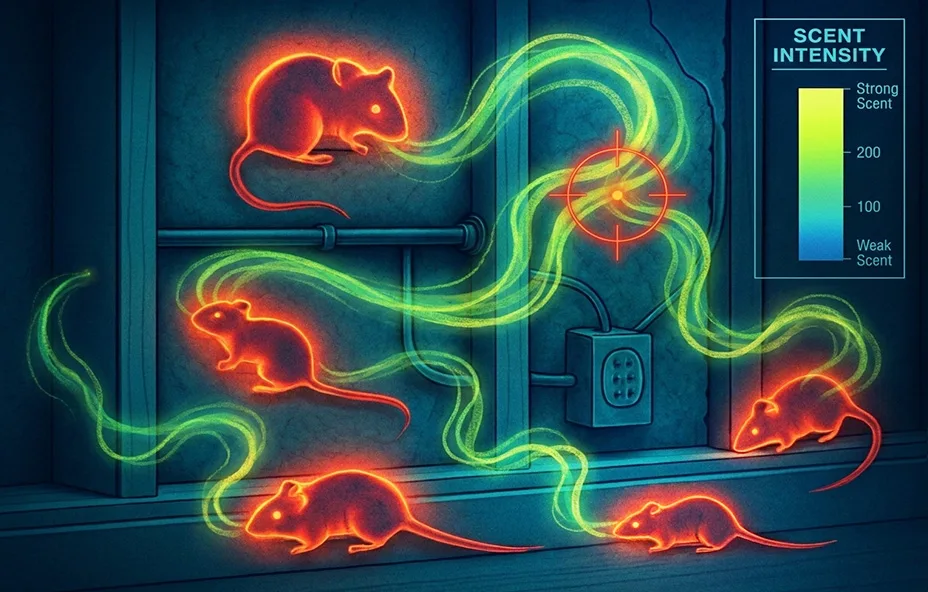
"Diane, the reason traps and poisons don't work the way people expect them to is that they're aimed at the wrong sense. Mice don't really see your house. They smell it.
Rodents navigate almost entirely through smell — they have hundreds of more olfactory receptor types than humans, dedicated to detecting predators, food, territory markers, and communication signals from other mice.¹
Their entire map of your home, where the food is, where the safe routes are, where the predators are, where it's okay to nest and breed, is built out of smell.
When you set a trap, you're playing roulette.
You might catch one. Maybe a few.
But the colony is producing new mice faster than you can trap them.
According to the Merck Veterinary Manual, a single female mouse can have up to 15 litters a year, and she can become pregnant again within 24 hours of giving birth.²
Two mice in your walls in October can become thousands of descendants in a year if nothing interrupts the cycle.³
So traps are a teaspoon, and the faucet is on full blast.
Poison is worse, in your case.
Even if Cooper never finds a bait station, mice that ingest rodenticide can take days to die.
Sometimes they wander outside.
Sometimes a dog finds one in the yard. The ASPCA Animal Poison Control Center treats thousands of secondary poisoning cases in pets every year.⁴
And glue traps... I won't go there.
The Humane Society of the United States has been trying to get those pulled off shelves for two decades.⁵
It's not just about Cooper, either. Rodents can transmit more than 35 diseases to people, directly through contact with droppings or indirectly through fleas and ticks they carry.⁶ So eliminating the source matters for the whole household.
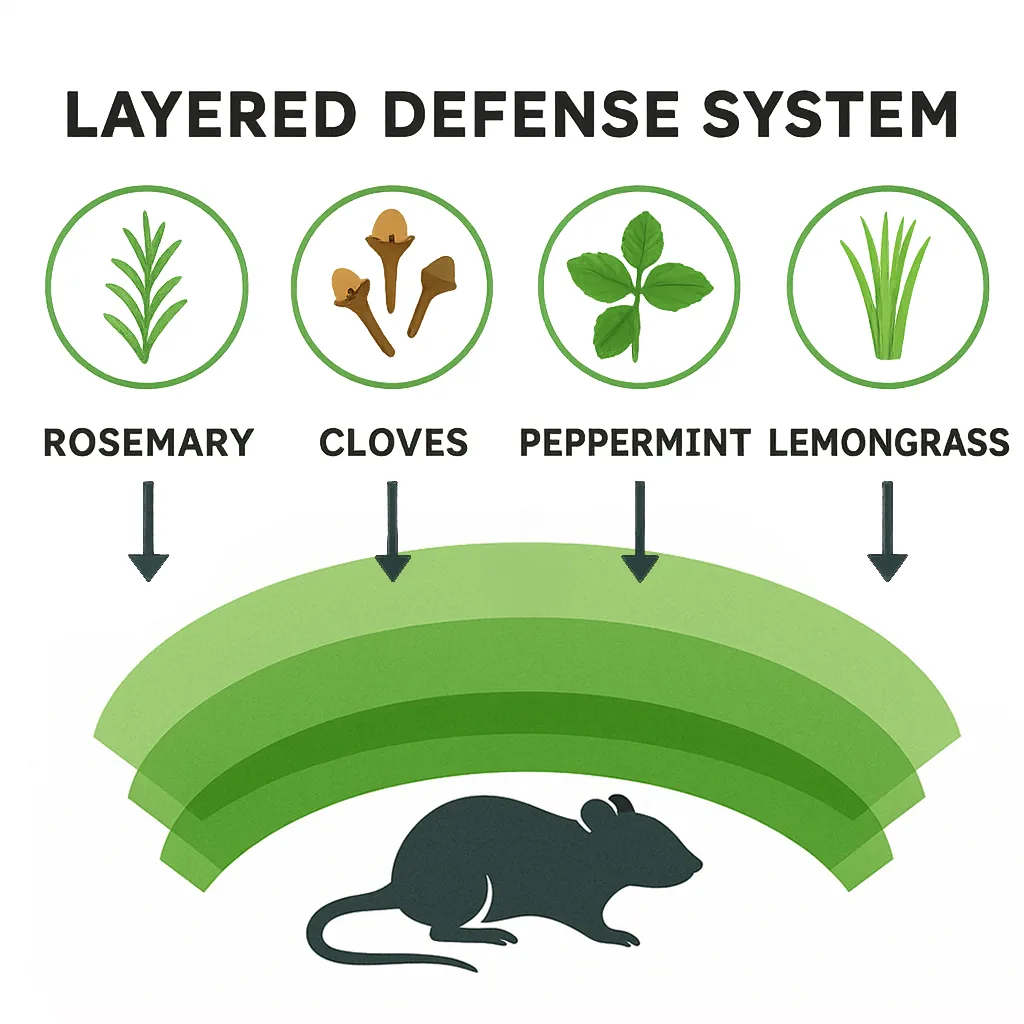
What you actually need is something that talks to the mouse in the only language it really understands. Smell. You don't need to kill the colony.
You need to make your home smell, to a mouse, like the worst place on earth to live."
I just stared at him.
"Wait. So... they leave. And they don't die."
"They leave. They don't die. They go find somewhere else to be."
"And it actually works?"
"I have eight pouches in my barn at home. I had a real rodent problem out there last spring. It's been quiet for nine months."
He wrote a name on a Post-it and slid it across the table.
Vamoose.
The Four Plant-Powered Oils In Vamoose
What Dr. Owen explained next is the part of this story I think every pet owner deserves to know.
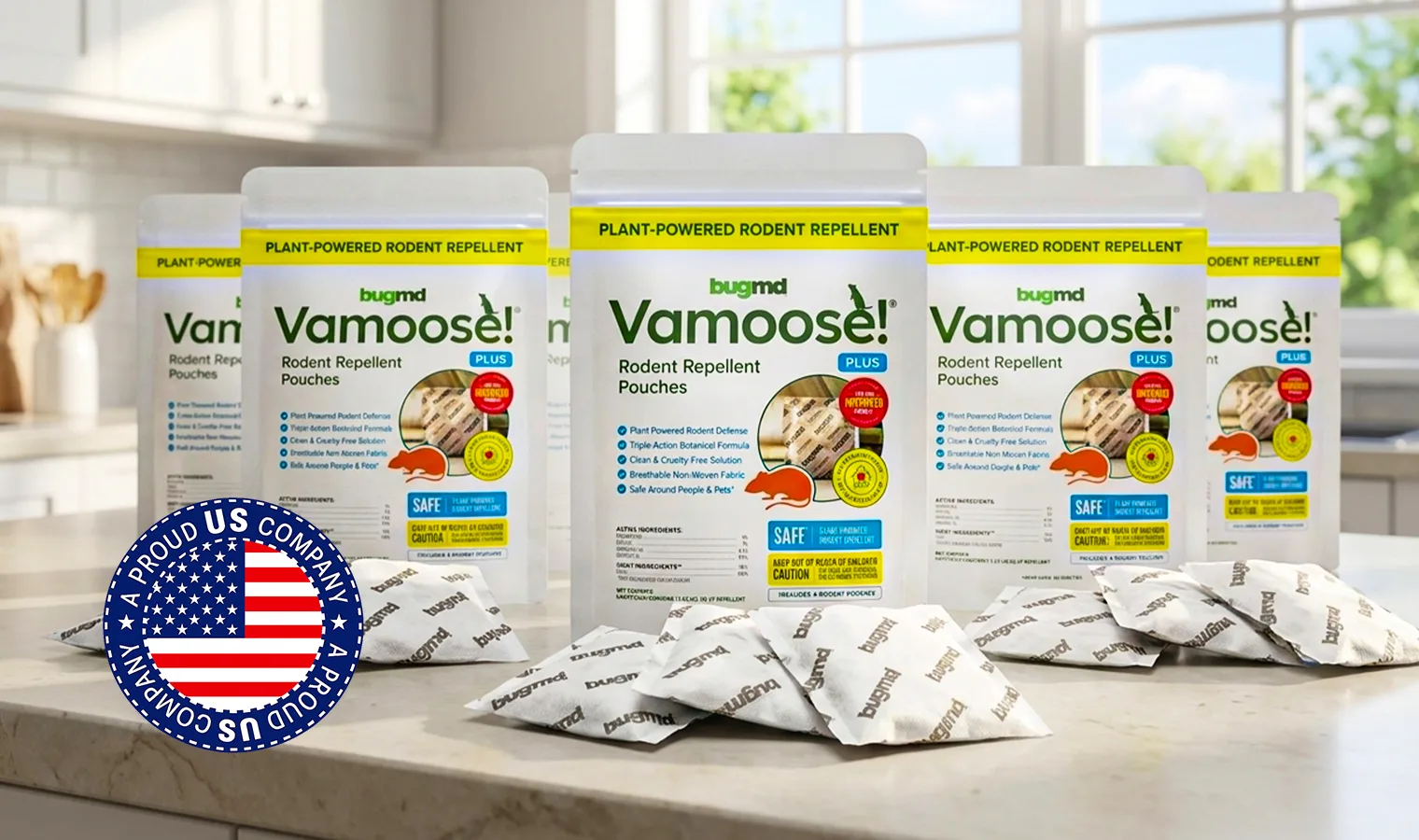
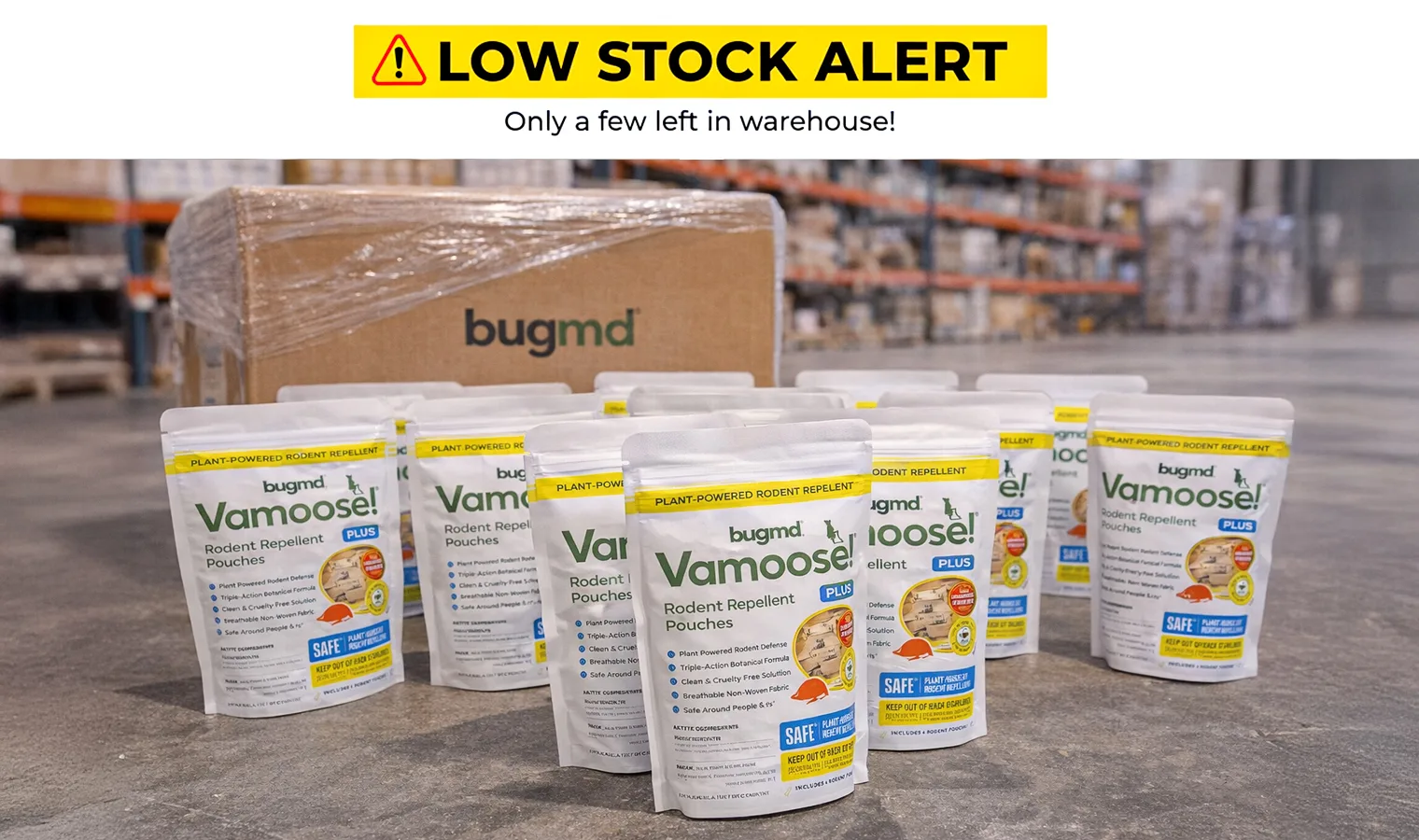
Vamoose is a small, sealed pouch made by a company called BugMD.
Inside each pouch is a specific blend of four plant-powered oils.
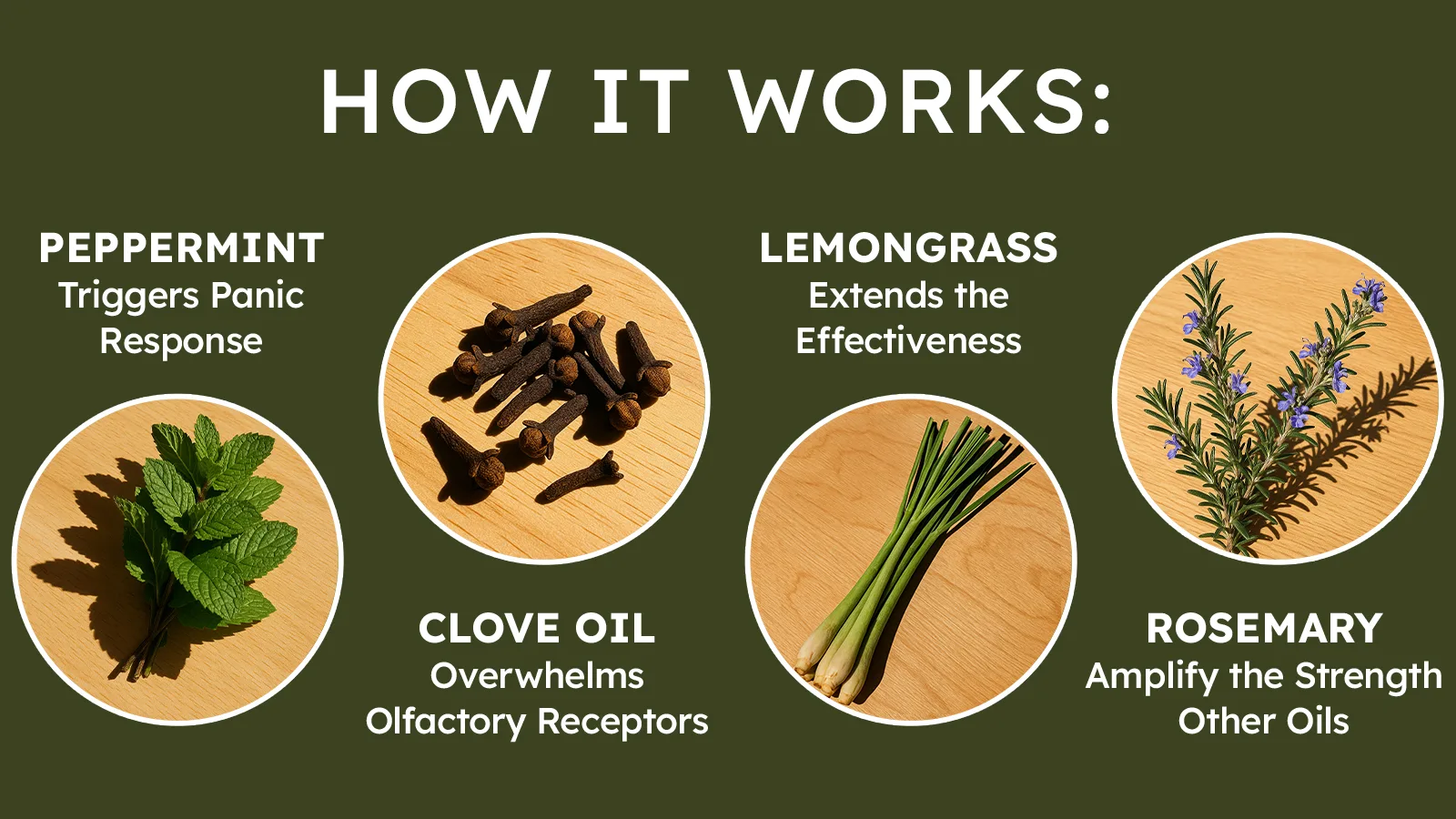
Each one works on a different part of the rodent's sensory system. Together, they overwhelm it.
Oil #1: Peppermint Oil
Peppermint is the panic button of the rodent world.
The sharp menthol vapor activates the same neural pathways that fire when a mouse senses a predator. It isn't learned, it isn't a behavior they can adapt to.
It's hardwired.
It triggers an immediate "get out now" response.
Cooper walked past one of these pouches and didn't even sniff it. To him, it just smells like a fresh garden. To a mouse, it smells like a cat is in the room.
Oil #2: Clove Oil
Clove oil works through a compound called eugenol, which creates a burning, irritating sensation in the rodent's incredibly delicate nasal tissues.
To a mouse, it feels like the air itself has turned hostile.
To you and me, it just smells faintly herbal.
Oil #3: Lemongrass Oil
Lemongrass is the disorienter.
Its compounds, citral and geraniol, overwhelm the rodent's sense of smell, the system they rely on for everything: finding food, marking territory, communicating with other mice about where it's safe to breed.
This was the part Dr. Owen emphasized.
"Diane, the reason mice keep coming back to a house, even after you trap a few, is that the colony has marked it as safe.
The scent trail is still there. Lemongrass disrupts those scent markers. The mice inside lose their map.
And new mice, sniffing around outside, never get the signal that this is a good place to settle in."
Oil #4: Rosemary Oil
Rosemary is the anchor. Its terpenes overstimulate the rodent's nervous system, creating sensory overload, and the herbal scent lingers on surfaces, holding the other oils in place longer.
"Together," Owen said,
"those four create what we call a scent barrier. The mice in your walls leave. New mice don't move in. Cooper isn't bothered by any of it. You don't have dead bodies in your walls. You don't have to clean up traps. You don't have to drive anybody out into a field at dawn."
He paused.
"And you don't have to feel anything about it except relieved."
I started crying in his exam room.
I Was Skeptical. Then I Read The Reviews.
I went home and read everything I could find about it. Over 4,000 verified five-star reviews. Real people, real situations.
The reviews that made me actually order it weren't the dramatic ones. They were the quiet ones, from people who sounded like me.
"Prior to Vamoose I used sticky pads and poisons. The poison is never a sure thing and I have pets." (Verified Trustpilot review)
"I have 2 dogs and can't poison the mice because if the dogs find them dead and eat them then I have that to deal with." (Verified 5-star review)
"I have not used poison in over 3 years." (Verified Trustpilot review)
"I feel so much better just scaring the mice away with fragrance, than killing them with poison." — Martha Harmon, verified review
That last one was it for me. That was exactly how I felt. Scaring them, not killing them. Why had nobody offered me that option for thirty years?
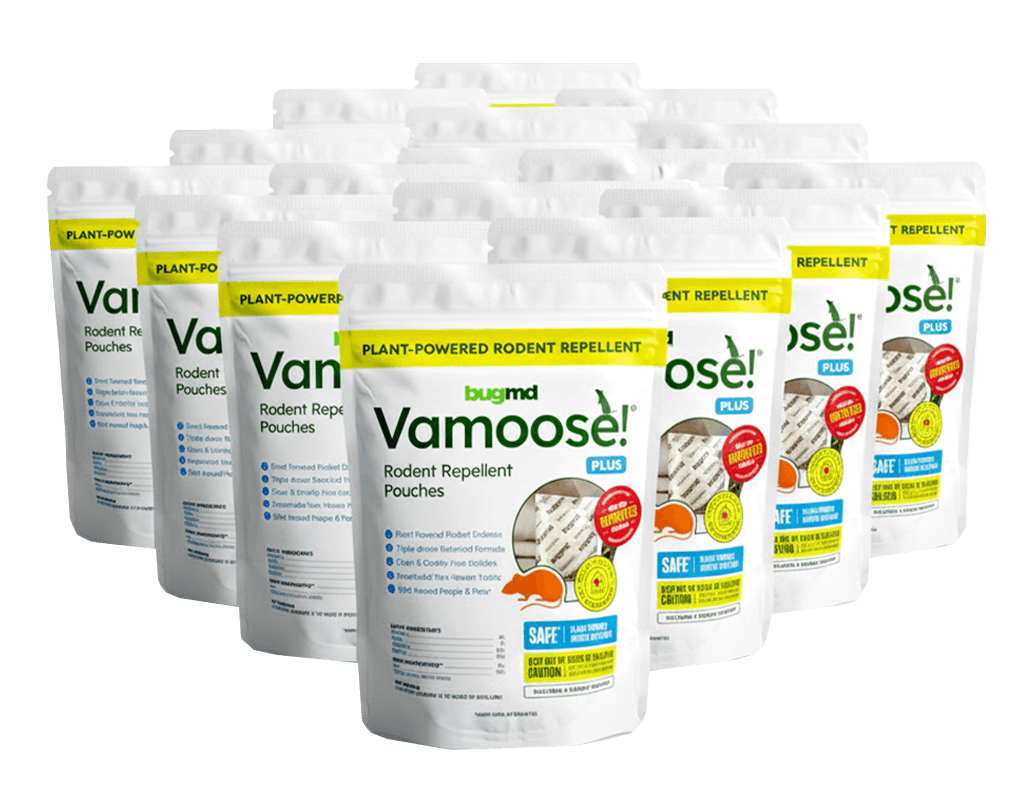
I ordered the 32-pack on subscription. The hero offer. $4.71 per pouch, 68% off the regular $15.50 price, free shipping.
It arrived in five days from BugMD's US warehouse.
Day By Day
I followed the instructions and placed pouches everywhere Owen and I had talked about:
• Two in the kitchen, behind the stove and under the sink
• Two in the attic
• Two in the basement
• One in the mudroom near the bag of birdseed
• One in the garage where my husband stores the lawn mower
• One in the pantry
• One in each bedroom closet
• One in the hall closet
• One under the bathroom sink
The pouches are small. They smell like a fresh herb garden. Cooper sniffed one, looked confused, and then went and lay down in his bed.
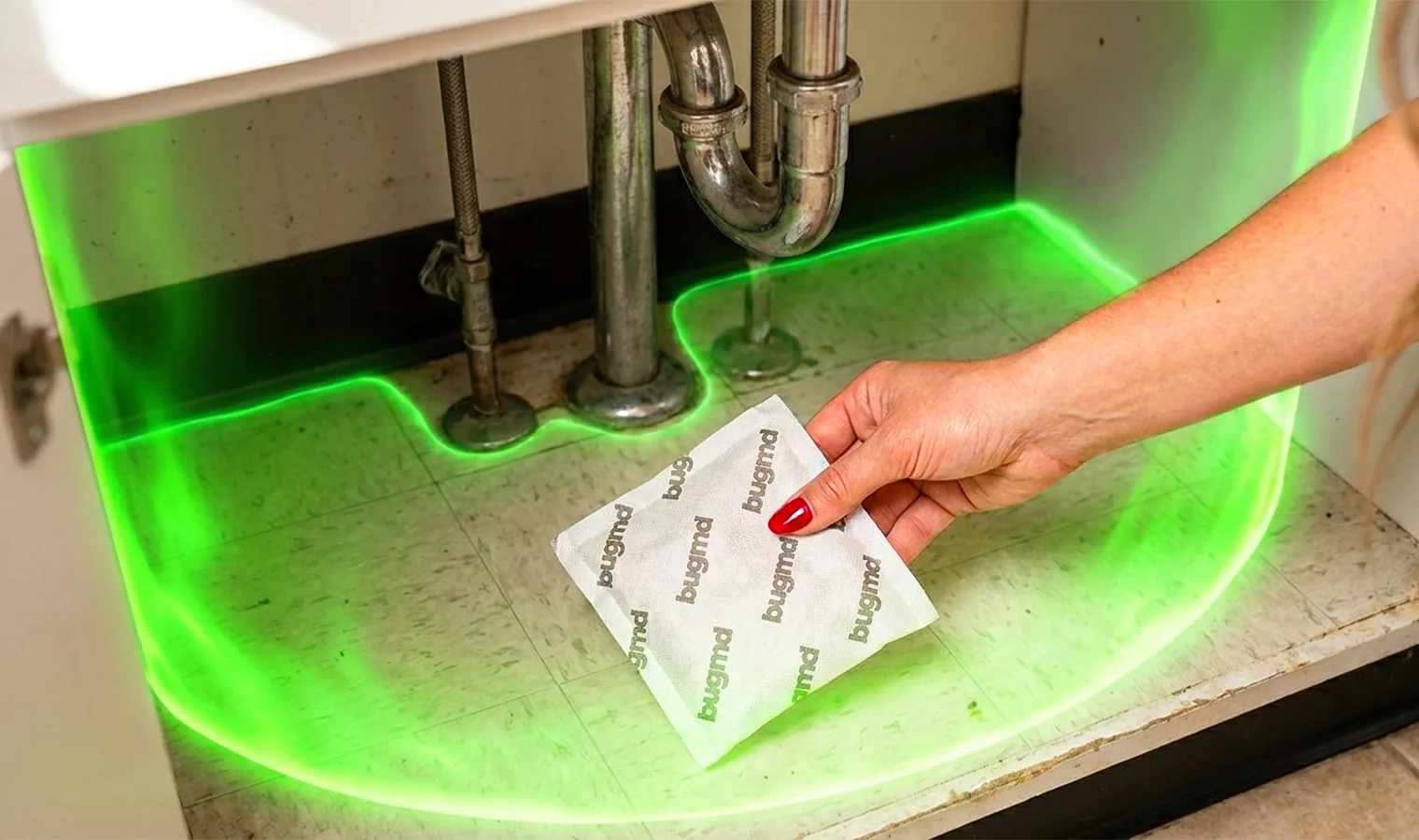
Day 1: I expected to find new droppings in the morning. There were two. Usually I'd find ten or fifteen.
Day 3: One dropping. In a corner of the basement where I hadn't placed a pouch yet.
Day 5: Nothing. For the first time in five months, I cleaned the kitchen and found nothing to wipe up.
I didn't trust it. I checked everywhere. I lifted the stove, pulled out the refrigerator, climbed into the attic with a flashlight. I felt a little crazy.
There was nothing.
Week 3:
Cooper was eating again.
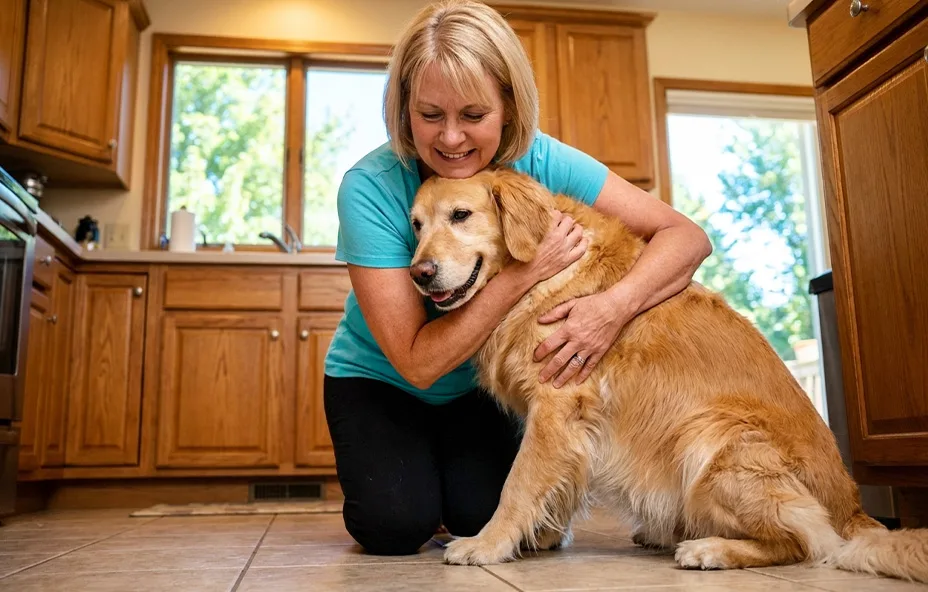
Full bowls, twice a day. He'd stopped scratching at the wall behind the dishwasher.
He was sleeping through the night, not getting up to investigate sounds I couldn't hear.
I followed up with Owen. He ran another panel. Cooper's allergic markers were down.
"Diane, whatever you're doing, keep doing it."
I told him.
He laughed. "Good. I told you."
But here's the part I want every person reading this to understand.
The part that wasn't on the bloodwork.
For six months, I had gone to bed dreading the morning.
Dreading what I'd find on the counter.
Dreading the cabinet I'd have to clean before I could cook.
Dreading the next decision I'd have to make about a trap, a poison, a method I didn't want to use.
For the first time in half a year, I went to bed and didn't dread anything.
I wasn't a bad person trying to do the practical thing.
I wasn't a soft person who couldn't handle a real problem.
I was a person who'd found a method that respected my dog AND respected my values AND actually worked.
I cried on the front porch the night Owen called me back with Cooper's results. Not sad crying. The other kind.
What Other Pet Owners Are Saying
I'm not the only one. Once I started looking, I realized there's a quiet community of people who'd been waiting for something exactly like this.
"My Schnauzers are mad. They USED to love catching mice and the season for mouse hunting is going to be dull this year. Your product is incredible. Thank you!" — Lynn S. (adapted from verified BugMD review)
"These pouches smell good to humans, and haven't bothered my dog. But since using these, I have not seen evidence of mice. Love them!" — Janice West, verified review
"Using the rodent repellent is helping and it doesn't bother my own animals." — Pamela L., verified review
"I am in my 80's and didn't want to deal with mousetraps! I ordered your Vamoose product, and it is working as you said it would. Mice surely don't like the smell, and they really do vamoose! At the same time, I don't mind the fragrance at all." — Nancy Connolley, verified review
"This really works, so much better than pesticides or pest control company's. No need for traps." (Verified Home Depot review)
"I love that there are no dead animals, just they stay away from my house." — Jacqueline McAniff, verified review
"I dropped two pouches in two different ducts, and left two more in select areas of the kitchen approximately a month ago and since that day, there is no evidence that they have been back. I am pretty sure that my problem has been solved." — Dan Sullivan, verified review

Two Futures
I want you to honestly think about two different futures, the way I had to.
Future 1: You Keep Doing What You've Been Doing
You set another snap trap.
You set another glue trap, even though you swore you wouldn't.
You let your husband talk you into a bait station, and you spend the next two months watching your dog like a hawk every time he goes outside.
You pay an exterminator $5,000 you don't have.
You learn to live with droppings on your counter.
None of those are okay.
None of those are who you want to be.
The mice keep breeding.
Every single mouse in your home is producing more than 100 droppings a day.⁷
Each new generation reaches breeding age in six weeks.
The problem doesn't stay the same size. It grows.
Future 2: You Try Vamoose
Within one week, you notice dramatically fewer droppings.
Within three weeks, the scratching sounds in the walls stop.
Within six weeks, your home is quiet again.
The mice leave.
Nothing dies.
Your pet isn't at risk. And, for the first time in a long time, you don't have to feel anything about your pest control situation except relief.
You sleep through the night.
The choice is yours.
But every week you wait is another week of mice multiplying in your walls, another week of allergens building up, another week your pet is exposed to something you don't have full control over.
Right Now, BugMD Is Running Their Best Price Of The Year On Vamoose:
$4.71 per pouch • 68% off the regular $15.50 price • Free Shipping on multi-pack orders
The 32-pack subscription is the most popular option, because:
• One pouch protects a problem area for up to 30 days
• Most homes need 60 to 90 days of continuous coverage to fully clear a colony and prevent re-entry
• Buying bulk on subscription means you don't run out at the worst possible moment
The 16-pack is a great starter option for smaller homes or single-area problems.
Plus the 30-Day Satisfaction Guarantee* means you can try it without overcommitting. (Small return processing fee and return shipping apply.)
Click below to check current availability:
⚠️ Supply Alert ⚠️
Important message from Vamoose:
Spring inventory is moving faster than usual due to:
• A surge of orders from pet owners who don't want to use poison or traps this year
• Growing word-of-mouth among veterinarians and humane-method households
• Families stocking up for 90 days of continuous spring and summer protection
When supply runs low and demand spikes, new customers may experience shipping delays. And the current 68% discount may end without warning.
How To Use Vamoose
Step 1: Place pouches in strategic locations:
• Near where you've seen droppings or mice
• In attic access points
• Behind appliances (stove, refrigerator, dishwasher)
• In closets and storage areas
• Garage, basement, mudroom
• Inside vehicles, RVs, and sheds
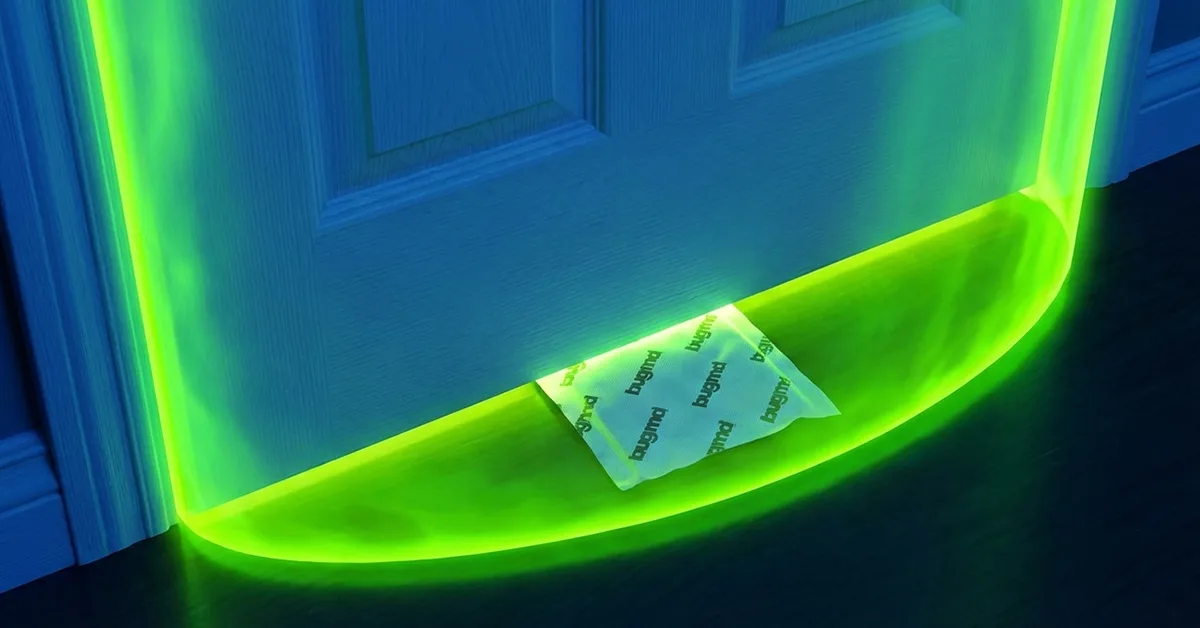
Step 2: Let Vamoose go to work. The scent barrier goes to work right when you set it up.
Step 3: Replace pouches every 30 days for continued protection. Up to 30 days of protection per pouch.
That's it. No traps. No bait stations. No dead mice. No cleanup.
Just plant-powered, family and pet friendly relief from mice. When used as directed.
Frequently Asked Questions
A: Most households notice significantly fewer droppings within 3 to 5 days. Most rodent activity stops within 2 to 3 weeks. Results vary based on the size of the problem and the home.
A: Yes. Vamoose is plant-powered and family and pet friendly when used as directed. Unlike poisons or chemical treatments, it doesn't put pets at risk from the contents of the pouch. Cooper has lived alongside ours for nine months with no issues.
A: No. The whole point of Vamoose is that mice leave, not die. The scent barrier makes your home an unwelcoming environment, and they relocate. You don't find bodies. You don't deal with the smell of decomposition.
A: Most pets simply don't react to the scent the way mice do. To most dogs and cats, it just smells like a fresh herb garden. Mice, with their highly specialized scent-based navigation, experience it very differently.
A: The bigger the problem, the more pouches you'll need initially. For heavy activity (20+ droppings a day), use 2 pouches in each problem area instead of 1. The mice will still leave. It may just take 3 to 4 weeks instead of 1 to 2.
A: Contact customer service within 30 days. Small return processing fee and return shipping apply. Vamoose has thousands of satisfied customers, but if your situation is the exception, you're covered.
A: Up to 30 days of protection per pouch. Replace at the 30-day mark to maintain continuous coverage.
A: As long as you maintain the scent barrier, the colony can't re-establish. New mice can't mark your home as safe territory. If you stop, eventually new scouts may try again, which is why most households keep at least a few pouches active year-round.
IMPORTANT: Use Vamoose To BANISH Mice From Your Home, Without Hurting Your Pet Or Compromising Your Values
Limited Inventory Available
UpDATE
P.S. If you've been waiting for an option that doesn't ask you to choose between solving the problem and being someone you can live with, this is it.
The mice leave.
Your pet is safe.
You don't find bodies in your walls.
You don't have to drive anyone out into a field at dawn.
I waited six months because I didn't think anything like this existed. Don't make my mistake.
Click Here to Check Availability
P.P.S. Remember the 30-Day Satisfaction Guarantee.*
You have nothing to lose and a lot of peace to gain.
Try Vamoose for 30 days. If it doesn't work for your situation, contact customer service for a return. Small return processing fee and return shipping apply.
But I'm willing to bet you'll be ordering more before your first month is up. Just like I did.
- 1. Buck, Linda B., and Richard Axel. "A novel multigene family may encode odorant receptors: a molecular basis for odor recognition." Cell 65, no. 1 (1991): 175-187. (This research won the 2004 Nobel Prize in Physiology or Medicine and established that rodents possess hundreds of olfactory receptor genes — roughly three times the number functional in humans.)
- 2. Merck Veterinary Manual, "Breeding and Reproduction of Mice," accessed 2025. https://www.merckvetmanual.com/all-other-pets/mice/breeding-and-reproduction-of-mice
- 3. Preventive Pest Control, "How Fast Do Mice Multiply in Your Home?" accessed 2025. https://www.preventivepesthouston.com/blog/2018/may/how-fast-do-mice-multiply-in-your-home-/
- 4. ASPCA Animal Poison Control Center, "Animals & Toxic Substances, Rodenticides," accessed 2025. https://www.aspca.org/pet-care/animal-poison-control
- 5. The Humane Society of the United States, "Glue traps cause needless suffering," accessed 2025. https://www.humanesociety.org/
- 6. Health WA (Western Australia Department of Health), "Protect your health: keep rats under control," accessed 2025. https://www.healthywa.wa.gov.au/Articles/N_R/Protect-your-health-keep-rats-under-control
- 7. PestWorld.org (National Pest Management Association), "Fascinating Facts You Never Knew About Mice," accessed 2025. https://www.pestworld.org/news-hub/pest-articles/fascinating-facts-you-never-knew-about-mice/