
*The person's story described below is fictitious and was instead founded on experiences shared by BugMD customers.
Bed bugs?
Bad news. There’s a reason they’re still crawling around your bed, and why everything you’ve tried has failed.
Most people battling bed bugs are fighting the wrong war.
They spray. They scrub. They bag everything in the house.
They pay $600 for an exterminator.
The bed bugs come back two weeks later.
They pay another $600.
And somewhere between the third treatment and the fourth sleepless night, most women do something that breaks my heart to write about:
Give up and accept that this is just their life now.
I was one of those women.
And I stayed that way for eleven months, until a Miami-based exterminator named Gary Anderson said six words that completely changed everything I thought I knew about bed bugs.
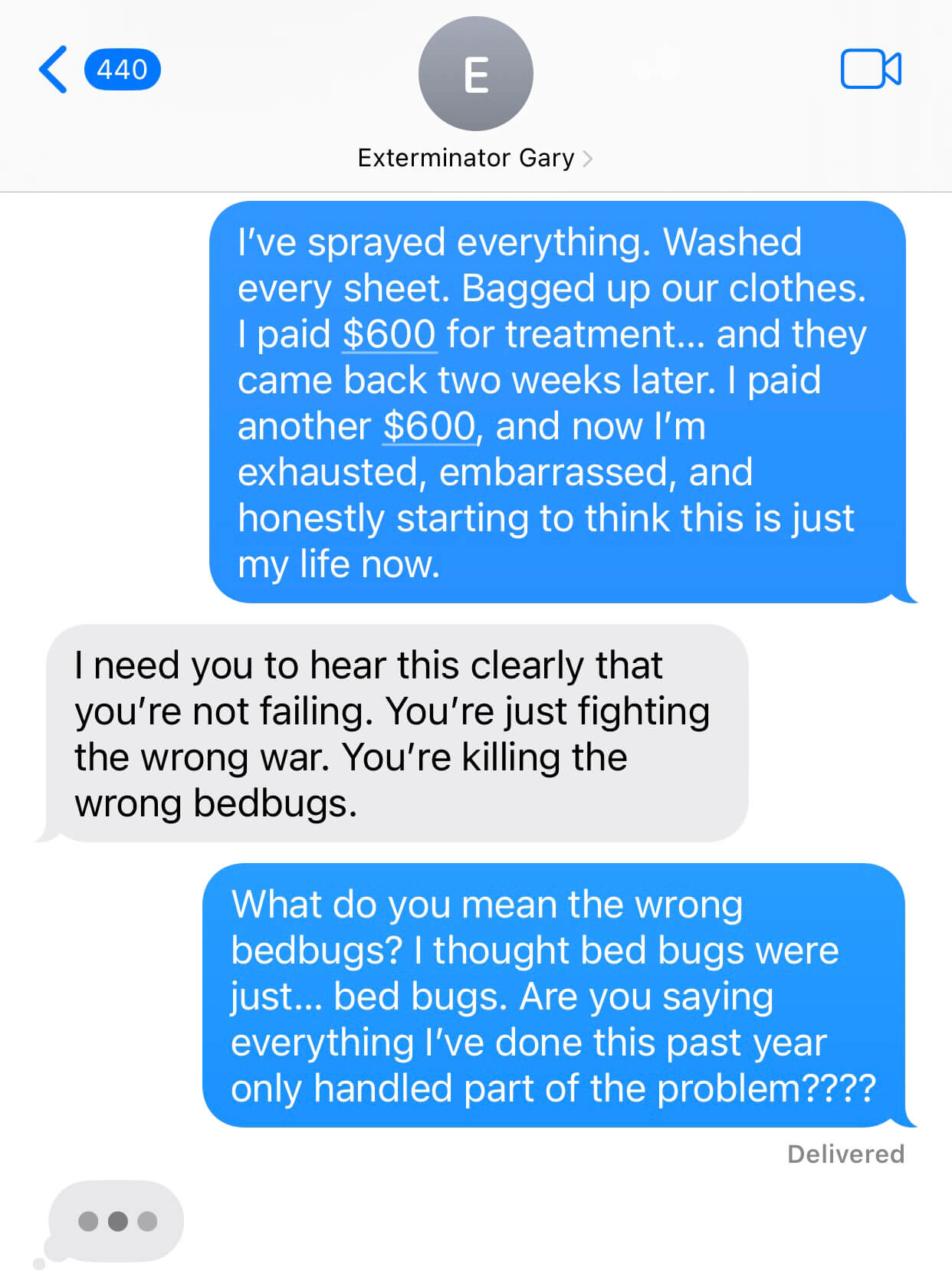
"You're killing the wrong bedbugs."
That sentence hit me like a truck.
Not because I was angry. But because in an instant, I understood exactly why everything I'd done for almost a year had failed.
And if you're reading this right now, still scratching new bites every morning, still dreading bedtime in your own home, I want you to know this before you try one more product, one more treatment, one more sleepless night of Googling:
The solution most people are using only targets part of the problem. The part it misses? That's the part that keeps bringing them back.
I'm going to explain exactly what I mean. Because once you understand what's really happening in your home, you'll never approach this problem the same way again.
"I Thought I Was Crazy. Turns Out, I Completely Missed the Real Enemy."
My name is Michelle. I'm 44 years old, and I live in a two-bedroom apartment in Columbus, Ohio with my nine-year-old daughter, Lily.
We've been here for six years. It's home. It's ours.
The kitchen smells like coffee in the morning. Lily has her artwork tacked up in the hallway. It's everything a home should be.
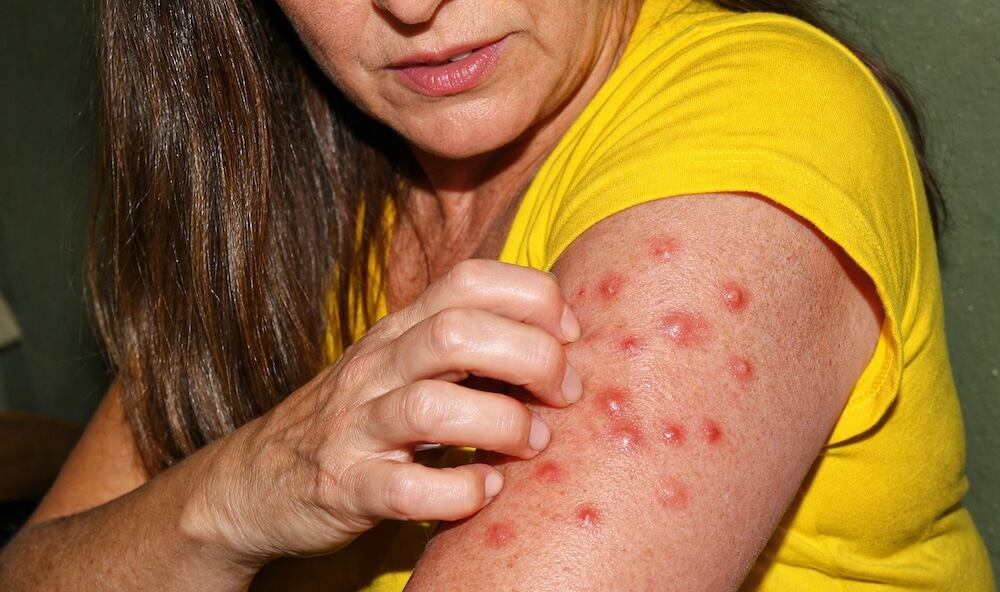
Or it was, until the night I woke up with five red welts running up the inside of my arm.
I thought it was a spider bite.
Maybe mosquitoes.
Our windows didn't have screens.
But then it happened the next night. And the night after that.
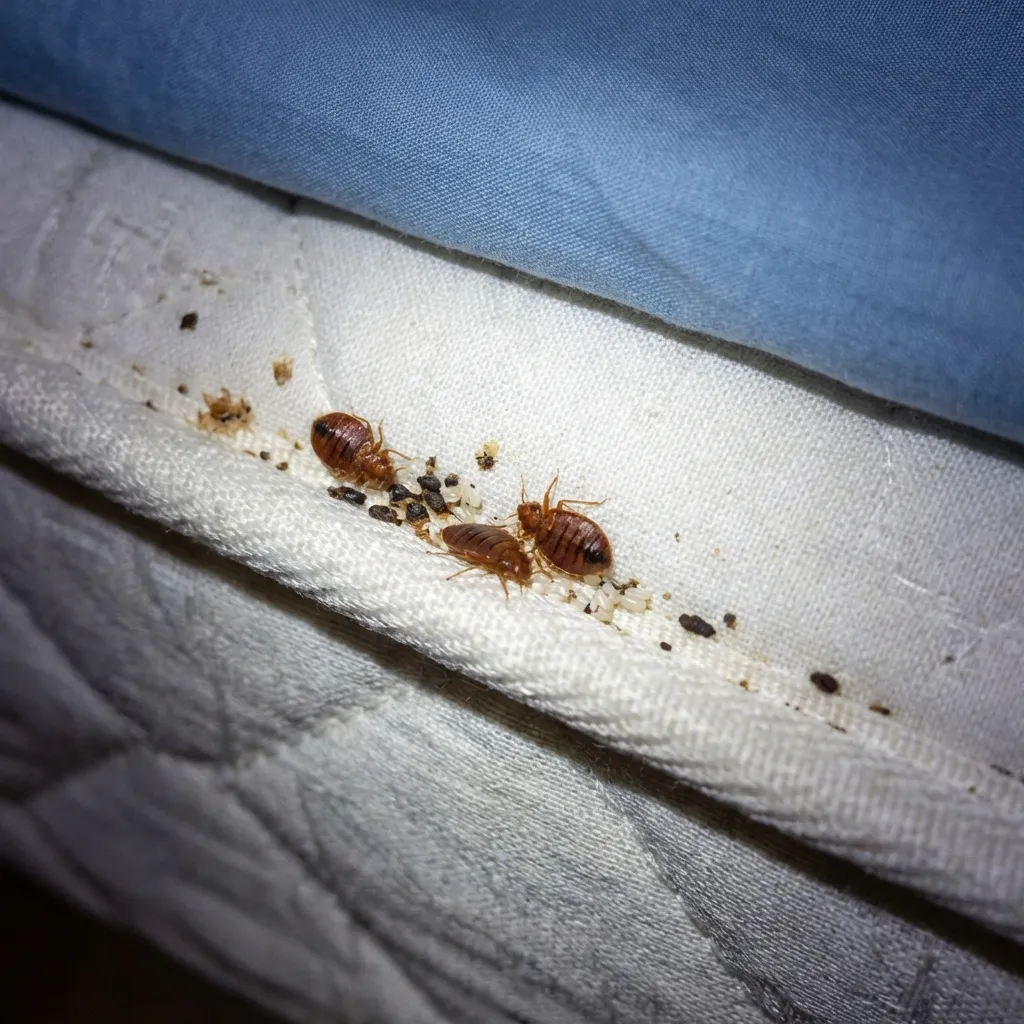
By the fourth morning, I stripped my bed entirely, and there they were, tiny rust-colored spots on the mattress seam.
I still remember the feeling. That specific kind of cold dread that rises from your stomach and just... parks itself there.
I knew exactly what I was looking at.
The next 72 hours were a blur.
I vacuumed everything.
Washed every piece of linen on high heat twice. Bought two cans of Raid from the drugstore and sprayed every corner of every room until the apartment smelled like a chemical plant.
Lily slept on the couch with me for three nights while everything aired out.
I thought I'd handled it.
I hadn't.
The Part That Destroyed Me (This Probably Sounds Familiar)
Two weeks later, Lily came to me in the morning, sleepy-eyed, lifting her pajama top.
Three bites. Across her lower back.
I cried in the bathroom for twenty minutes before she woke up all the way. I didn't want her to see me like that.
I called a professional exterminator that day. They came, sprayed every surface, said to stay out of the apartment for four hours, charged me $580, and told me they'd likely need a second visit.
The second visit cost another $480.
The bites kept coming.
By month four, I had stopped having people over entirely. My best friend Danielle kept asking if something was wrong. I told her I was just "redecorating."
I was too ashamed to tell her that I'd been washing my sheets three times a week and checking my daughter's back every morning before school.
At her school's parent night, one of the other moms noticed a bite mark on Lily's neck.
"Is that from bugs?" she asked, not unkindly. But the words landed like stones.
I made up an excuse. Something about an allergic reaction to a new detergent.
But driving home, I thought: What kind of mother lets her child sleep in a home like this for four months?
That thought nearly broke me.
What Pest Control Companies Don't Tell You About Bed Bug Treatments
I went back to the exterminator a third time, different company, more expensive, supposed to be the best in the city.
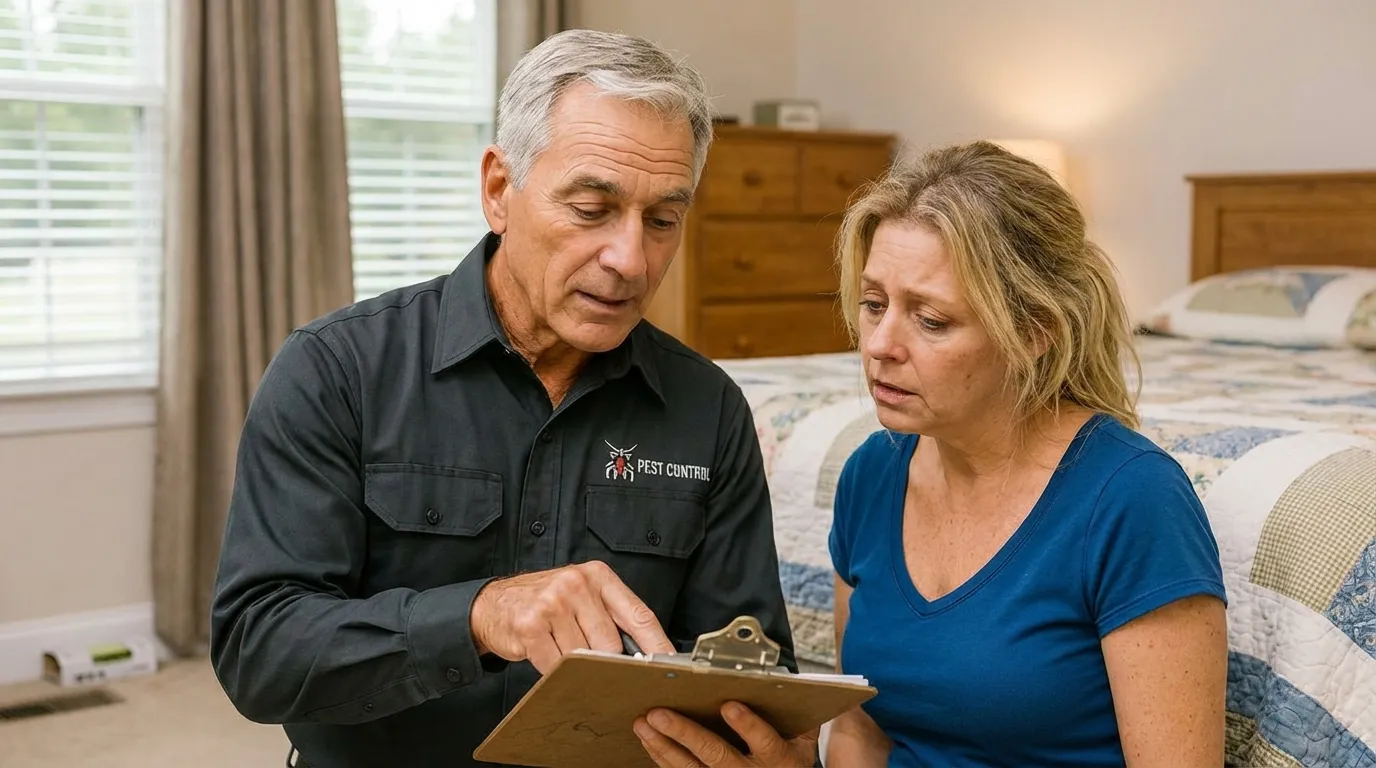
The tech's name was Gary Anderson.
Twenty-plus years in the field. He'd worked with hotels, hospitals, and apartment buildings. He'd seen everything.
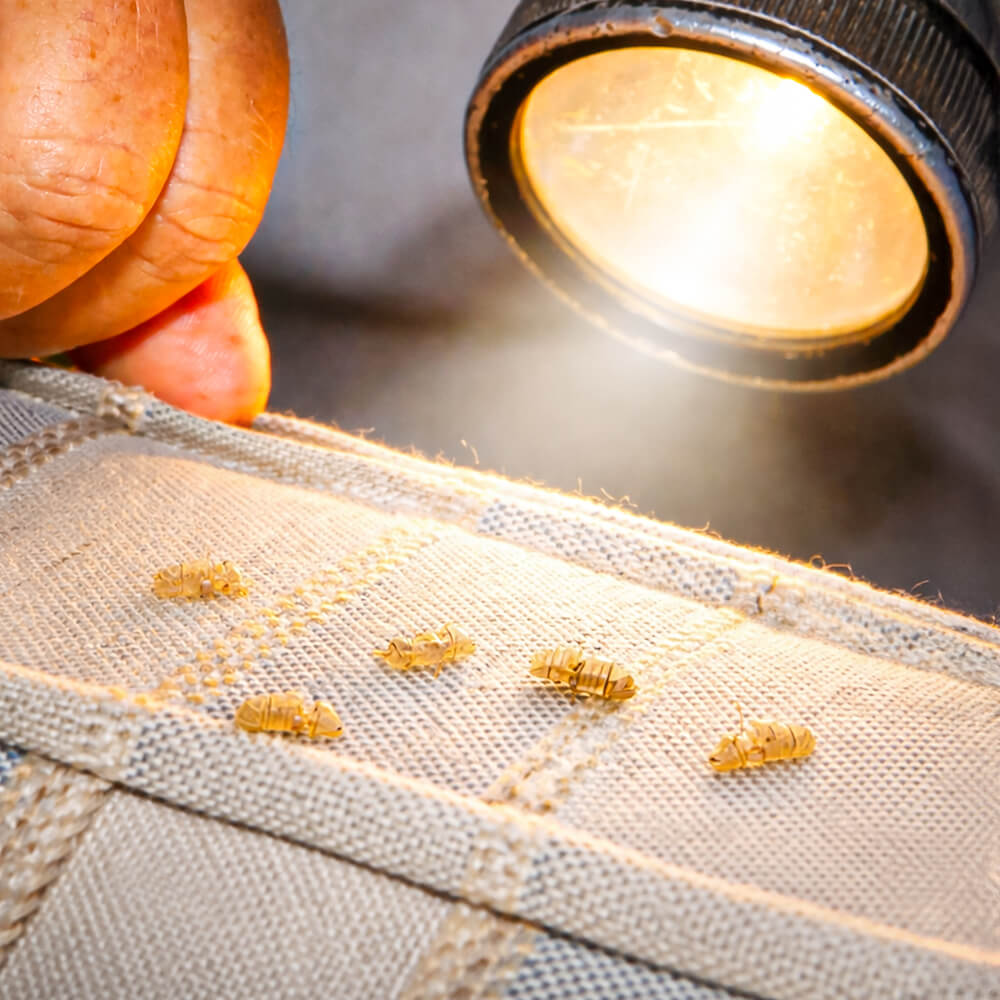
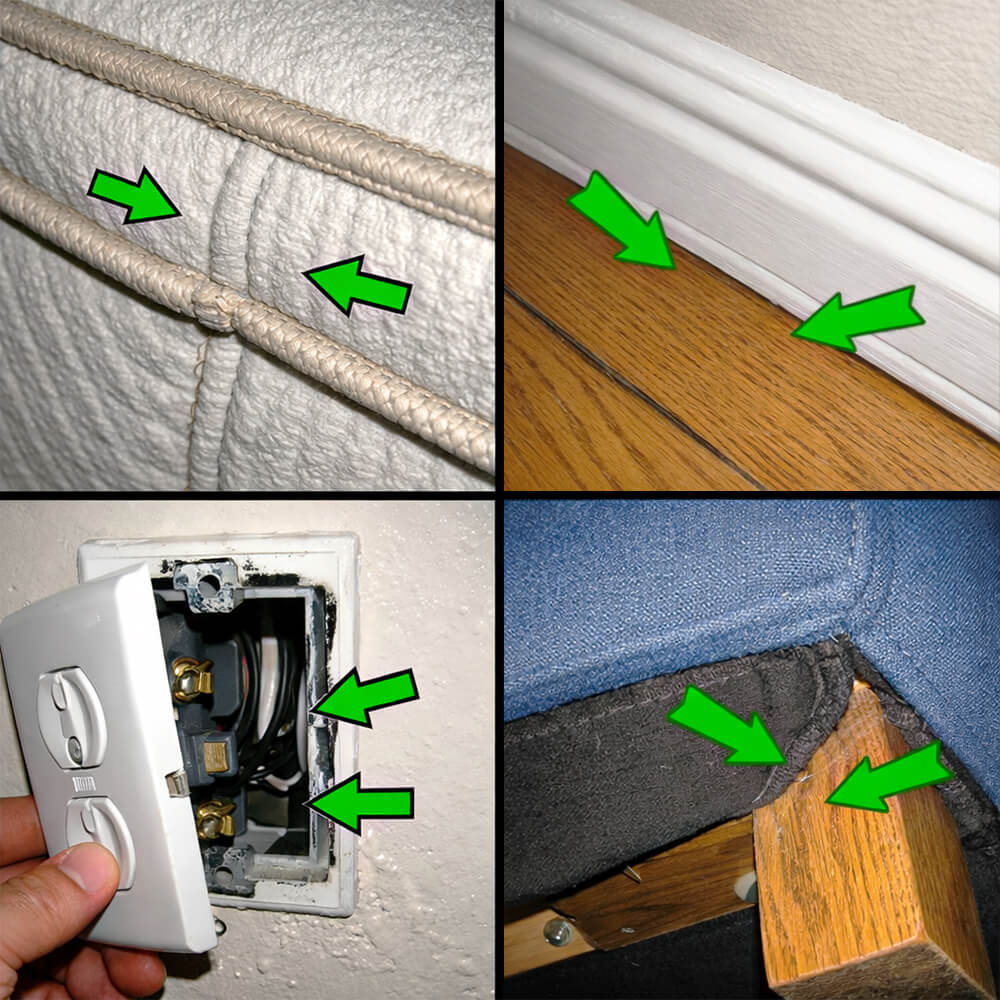
He walked through my apartment methodically, checking the usual places: seams of the mattress, behind the headboard, inside the box spring. He pulled a small flashlight and crouched beside the bed frame.
Then he sat back on his heels and looked at me with the expression of someone about to say something important.
"Can I be straight with you?" he asked.
"Please," I said.
"The companies that treated you before, they did the job they were paid to do. But they probably didn't explain something to you that completely changes how you need to think about this problem."
He pulled out his phone and showed me a diagram.
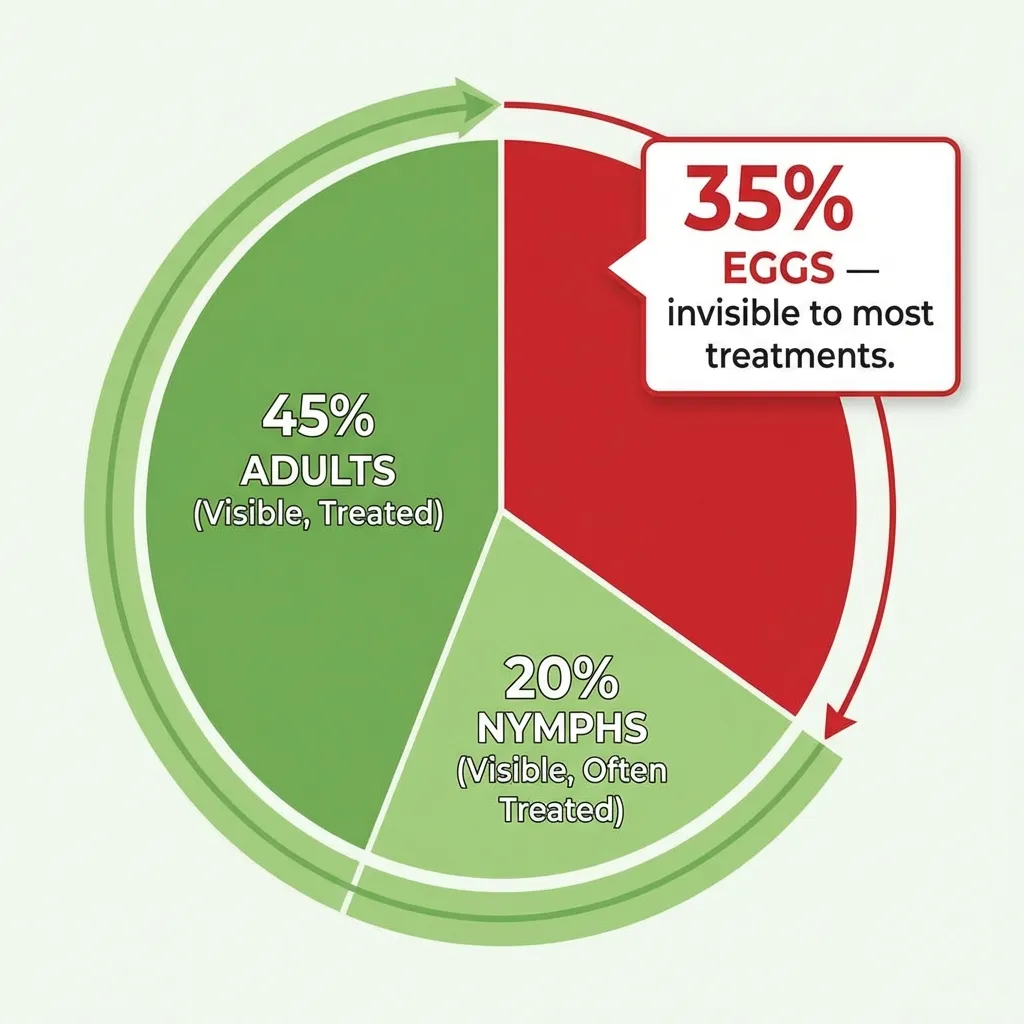
"Here's what most homeowners don't know about bed bug treatments. At any given moment in an active bed bug situation, in any home, approximately 35% of the bed bug population exists as eggs."
He let that sit for a second.
"Eggs. Not adult bugs. Not nymphs you can see moving. Microscopic eggs tucked into cracks, folds, and crevices so small you can't even see them with the naked eye."
I stared at him.
"And here's the critical part: most common sprays, the ones exterminators use, the ones you find at the drugstore, they kill the adult bugs. Some kill the nymphs.
But they don't penetrate the eggs. The egg casing is waterproof. Chemical resistant. It's designed by millions of years of evolution to protect what's inside."
"So when you spray everything and think it's gone..."
"You've killed 65% of the problem. The other 35%, those eggs, hatch 6 to 10 days later. And the cycle starts all over. Exactly as bad as before."
I felt a specific kind of relief and rage at the exact same time.
Eleven months. Three treatments. Hundreds of dollars. And no one had ever told me this.
The Hidden 35%: Why Your Bed Bugs Always Come Back
Gary explained that the "hidden egg problem" is the single biggest reason bed bug treatments fail.
And it's compounded by a second problem that's gotten dramatically worse in recent years.
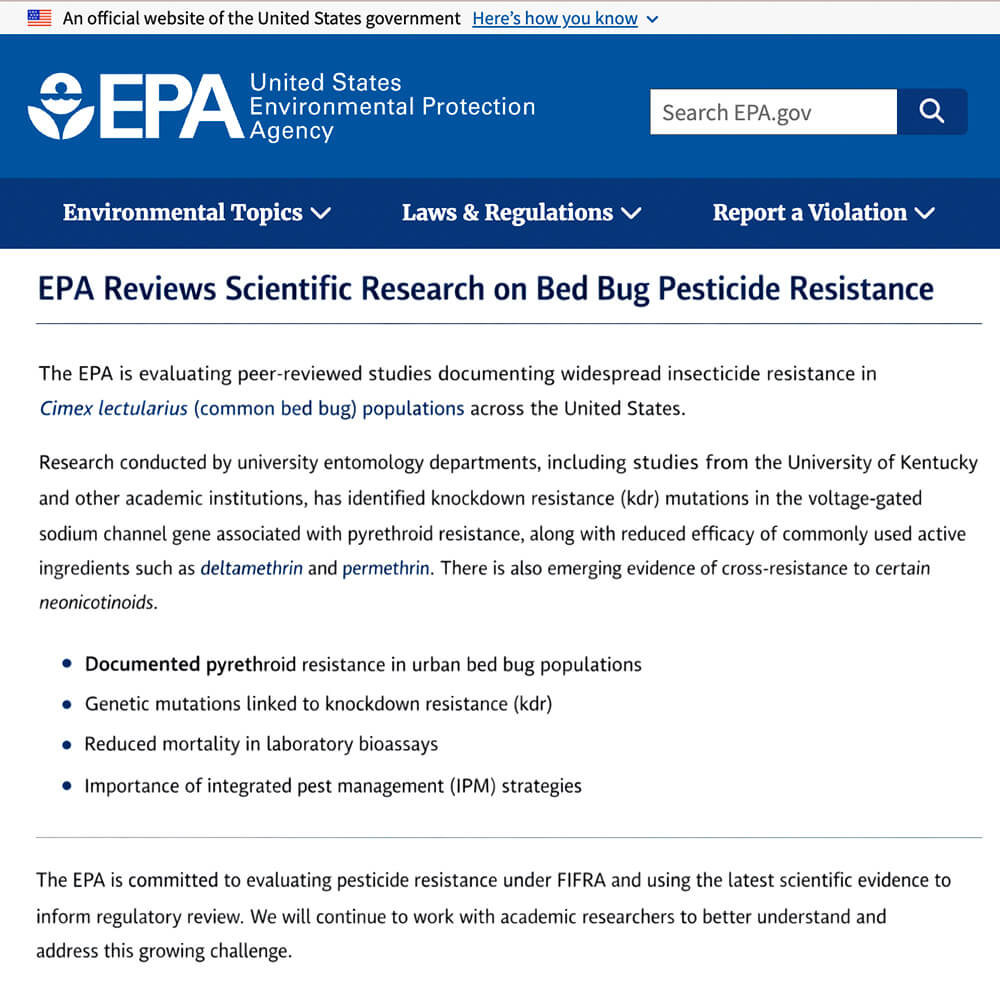
"Many bed bugs, especially in urban areas, have now developed significant resistance to pyrethroids."
Pyrethroids are the class of chemical compounds in most commercial and professional bed bug sprays. They've been the industry standard for decades.
"Based on what we're seeing in the field," Gary explained, "a large percentage of current bed bug populations have significant resistance to pyrethroid-based treatments. They've literally evolved past them. You spray a bug with something that should kill it in seconds, and it just... walks through the spray and keeps going."
The Environmental Protection Agency has documented this resistance issue as a growing challenge in bed bug management.¹
"So you've got two problems working against you," Gary continued. "Eggs that survive any spray. And adult bugs that have evolved resistance to the chemicals we've relied on for thirty years."
He shook his head slowly.
"I've been doing this for twenty-two years. And I'll be honest with you: the way most people are still treating bed bugs? It's like trying to bail out a sinking boat with a teaspoon. You're working. You're trying. But the boat is still sinking."
"So What Actually Works?"
I felt the familiar wave of defeat rising in my chest.
"So what are people supposed to do?" I asked. "If the sprays don't work on eggs, and the bugs are becoming resistant to the chemicals…"
Gary held up his hand.
"I said most sprays don't work. I didn't say nothing works."
He stood up, stretched his back, and walked to my kitchen table.
"In my experience, the products that actually break the cycle, that address both the adult bug problem AND the egg problem, have two things in common."
He pulled out a piece of paper and started writing.
"First, they work through a completely different mechanism than pyrethroids. Not a chemical that targets a specific receptor that bugs can evolve resistance to. A physical and biochemical disruption that operates on multiple systems simultaneously, something bugs literally struggle to adapt to."
"And second, they have to penetrate. Not just coat the surface. Penetrate into the places where eggs are hiding, the folds, the seams, the cracks, and disrupt the egg's development from the inside."
"What does that look like?" I asked.
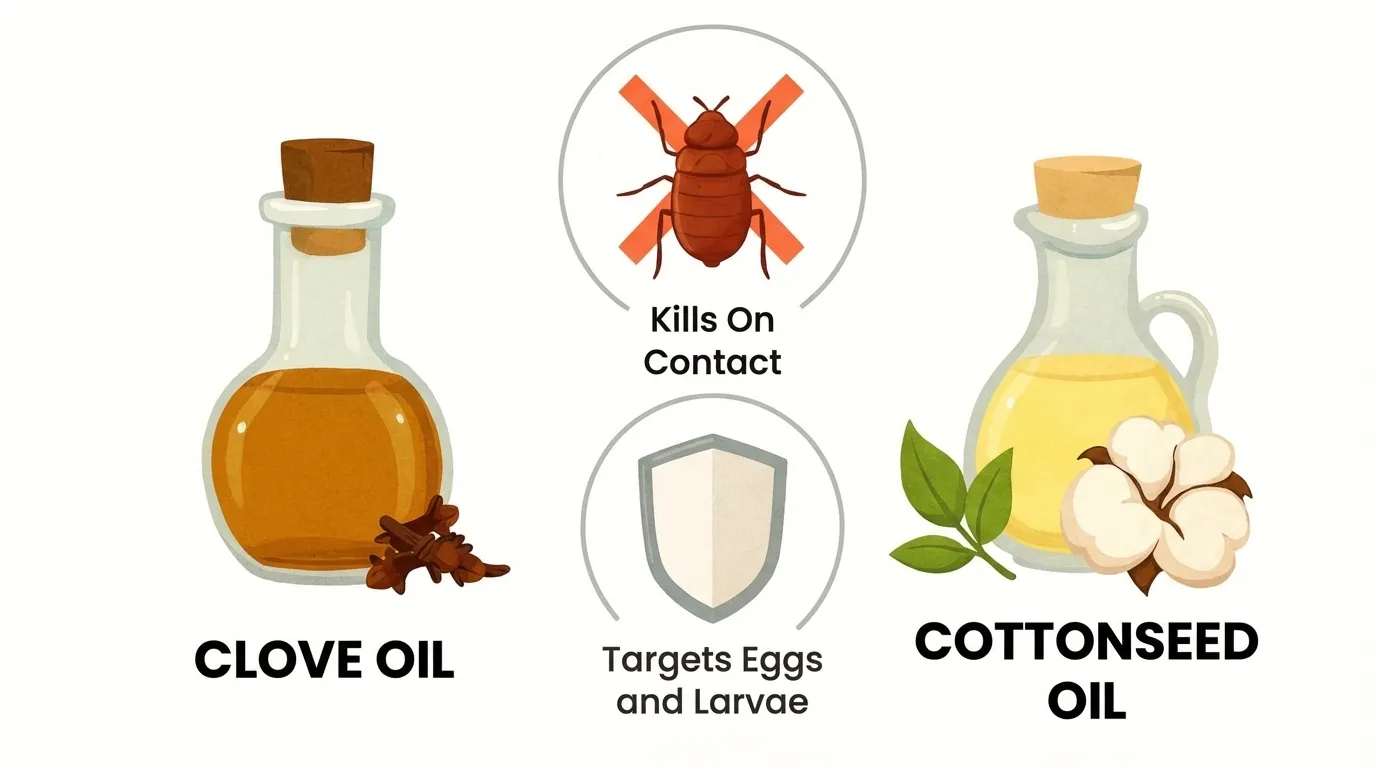
"In practice? Two specific plant-based active ingredients that work together. One that disrupts the nervous system in a way that even resistant bugs cannot compensate for. One that acts as a suffocant and penetrating carrier that reaches eggs in their hiding places and compromises the protective casing."
He wrote two words on the paper.
Clove Oil. Cottonseed Oil.

The Research That Changed How I Saw This Problem
Gary handed me his phone.
"Look at this."
He pulled up a study from the National Center for Biotechnology Information (NCBI).
Researchers had tested clove oil's efficacy against multiple insect species, including its effectiveness as an alternative to synthetic pesticides.
The findings were striking: clove oil, specifically its active compound eugenol, demonstrated strong insecticidal properties against multiple pest species, with mechanisms of action that work differently from synthetic chemicals, meaning resistance development is dramatically less likely.²
He swiped to a second study, this one examining cottonseed oil as a pesticidal compound.
Research from Colorado State University Extension confirms that cottonseed oil has significant pesticidal properties, including a suffocating action that blocks the tiny respiratory openings (called spiracles) that insects breathe through..³
"Here's why this matters for bed bugs specifically," Gary said.
"Adult bed bugs can develop tolerance to chemicals that target a single receptor. But they cannot develop tolerance to physical suffocation. Blocking their spiracles is like sealing their lungs. There's no evolutionary workaround."
"And the clove oil?"
"Eugenol disrupts the insect's nervous system on multiple levels simultaneously. It's not a single-point attack. Think of it like a full-system shutdown versus knocking out one circuit breaker. Even resistant bugs can't work around that."
He scrolled once more.
"But the real breakthrough is what happens when you combine them.
The cottonseed oil acts as a carrier, it's oily, it seeps into crevices, it doesn't evaporate quickly. So it carries the eugenol from the clove oil into the places where eggs hide. Into the fold of the mattress seam. Into the crack in the box spring. Into the tiny gap behind the headboard."
"It reaches the eggs," I said.
"It reaches the eggs."

The "2-Step Bioactive Formula" That Breaks the Cycle
I asked Gary to explain exactly how the two ingredients work together, because I was determined to understand this fully. I wasn't going to spend another dollar on something I didn't completely understand.
He walked me through it step by step.
Stage 1: Contact Kill (The Clove Oil Assault)
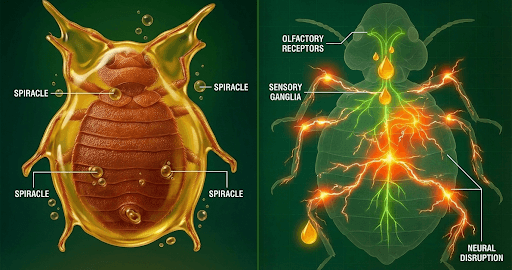
When the formula contacts an adult bed bug or nymph, the eugenol in the clove oil immediately begins disrupting the insect's nervous system on multiple pathways.
Unlike pyrethroid chemicals that target a single sodium channel receptor, the one many bugs have evolved resistance to, eugenol interferes with multiple systems: nervous system function, metabolic processes, and respiratory function simultaneously.
The result:
Even bed bugs that have developed resistance to traditional chemical treatments cannot compensate for a multi-system disruption. They can't evolve past it fast enough.
Research has shown that plant-based insecticides can be effective against pesticide-resistant insect populations. For example, bed bugs resistant to synthetic pyrethroids remain susceptible to plant essential oils, likely because these botanical products work through multiple pathways simultaneously.⁴
Stage 2: Suffocation and Penetration (The Cottonseed Carrier)
Cottonseed oil works through a completely different mechanism: physical suffocation. It coats the insects and blocks their spiracles, the tiny breathing pores that run along an insect's body.
But here's where it gets critical for bed bugs specifically.
Cottonseed oil doesn't just sit on the surface. Its viscosity and lipid profile allow it to seep, slowly, persistently, into the cracks and folds where eggs are hiding. Once it reaches an egg, it works to compromise the protective casing and disrupt larval development.
The formula doesn't just kill what's visible. It works its way toward what's invisible.
"That's the 35% that everyone else misses," Gary said. "And that's why the cycle finally breaks."
Stage 3: What Happens Over the Following Days
Because the formula penetrates and persists in hiding spots rather than just coating surfaces, it continues working in the days after application, catching newly hatching nymphs before they have a chance to establish.
"Most spray treatments have a very short effective window," Gary explained.
"You spray, it kills what's there, it evaporates, and anything that hatches after it's gone is a clean target. With a formula built around these two ingredients, the residual effect in the microenvironments where eggs hide gives you a window that actually overlaps with the hatch cycle."
Why Exterminators Won't Tell You About This
I asked Gary directly: if this approach is more effective, why isn't it what the industry uses as standard practice?
He paused. Then gave me the kind of answer I respected him for.
"Because our business model doesn't reward permanent solutions."
He wasn't bitter about it. Just matter-of-fact.
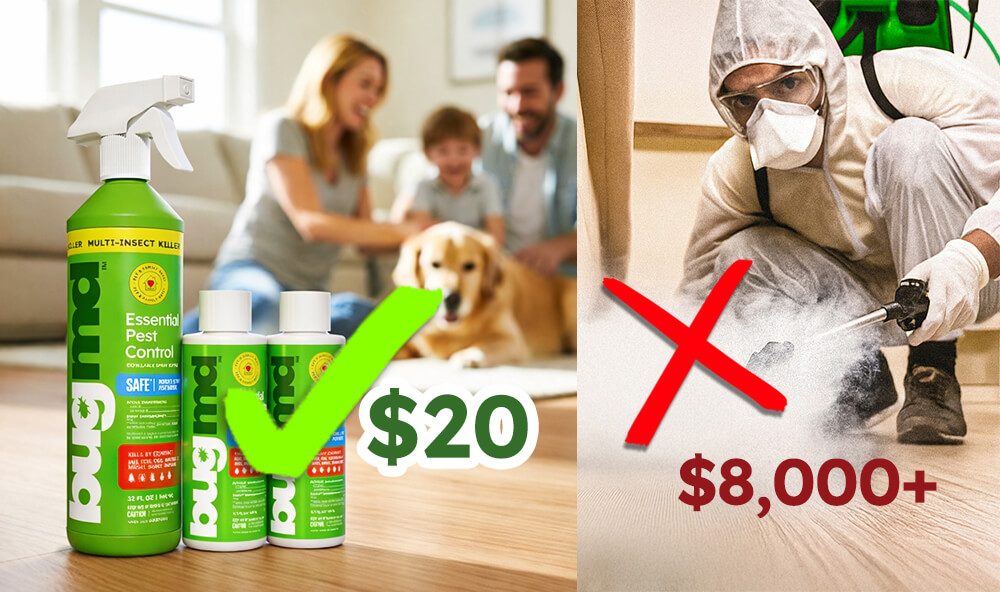
"If I walk into your home and sell you a $50 plant-based solution that breaks the bed bug cycle completely, which it very well might, I make $50 once, and I never see you again."
"But if I come in with a standard pyrethroid treatment, charge you $600, come back in two weeks because the eggs hatched and the resistant adults are back, charge you another $480, schedule quarterly monitoring visits at $200 each—"
He didn't have to finish the sentence.
"That one customer," he said, "over five years? That's potentially $3,000 to $5,000 in recurring revenue."
"So the industry's financial model is built on treatments that keep you coming back."
I thought about the two exterminators I'd already paid. Over $1,000 between them. And I was still waking up to new bites.
"There are individual exterminators, like me, who'd rather just actually fix your problem," Gary said. "But institutionally? The industry has zero incentive to promote a solution that works once and doesn't require follow-up."
That Night, I Started Researching
Gary left me with enough information to dig deeper on my own.
I spent two hours that night searching specifically for the combination he'd described: plant-based, clove oil, cottonseed oil, multi-target, egg-disrupting.
Most of what I found was generic. Peppermint oil sprays that smelled nice but had almost no efficacy data behind them. "Natural" solutions in pretty bottles with no explanation of how they worked.
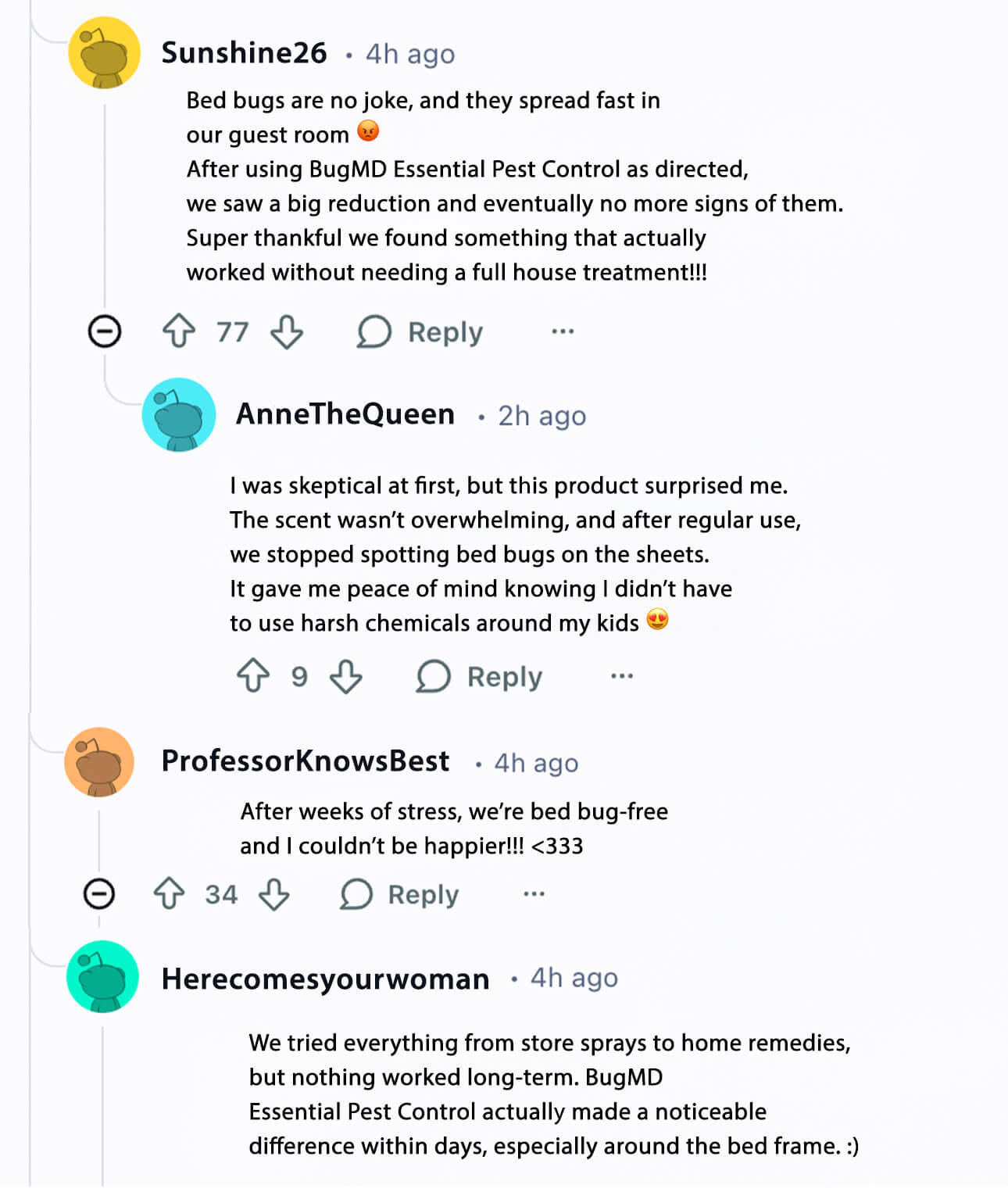
Then I found a Reddit thread in the r/Bedbugs community, thousands of members, titled: "Only thing that worked after a year of trying everything."
The top comment had over 400 upvotes.
"BugMD Essential Pest Control. I know it sounds too good to be true. I thought the same thing. Please just try it."
I scrolled through responses for forty minutes.
Comment after comment, from people who'd tried every option, $800 exterminators, heat treatments, diatomaceous earth, mattress encasements, every drugstore spray available, and found the same thing.
The infestation kept coming back.
Until this.
The Reviews That Made Me Finally Believe This Was Real
I clicked through to BugMD's Essential Pest Control page.
I expected the usual curated testimonials, five-star reviews that sounded like they were written by the marketing department.
That's not what I found.
The reviews were raw. Specific. They had the texture of real people in real pain who'd found something that worked.

"I had Bedbugs that I could not get rid of until I found BugMD. Now I sleep without worries.", Daniel Wolff
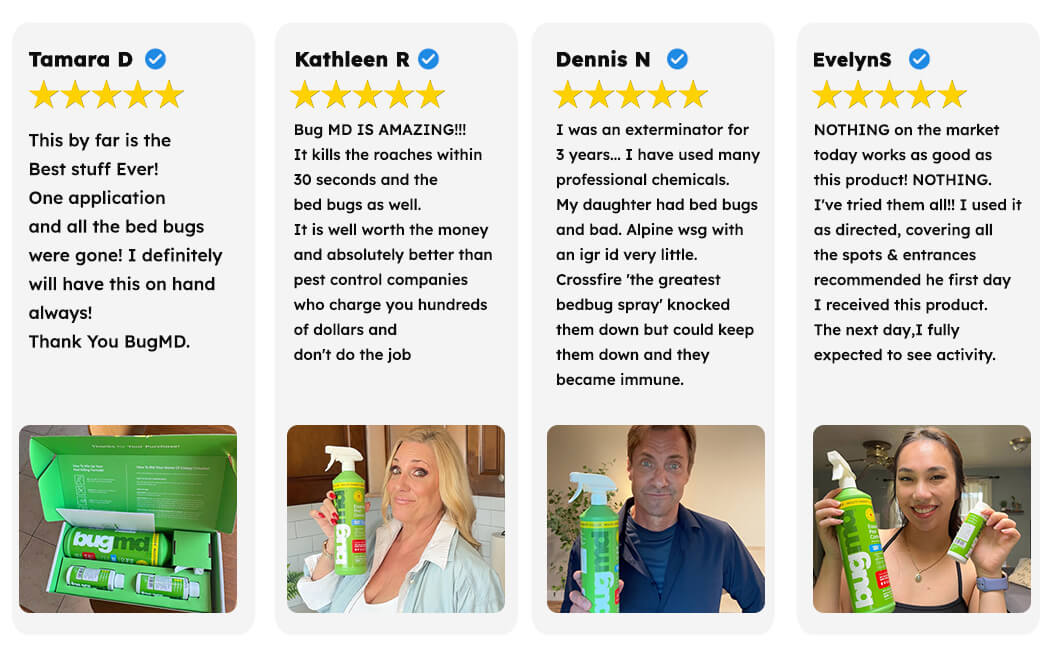
"This by far is the Best stuff Ever! One application and all the bed bugs were gone!", Tamara Davis
"I have been dealing with bedbugs for three years now. Been bitten and so miserable. This essential pest control is amazing. Thank you bug MD for making our lives more bearable.", Kathleen Rae
"Bug MD IS AMAZING!!! It kills the roaches within 30 seconds and the bed bugs as well. It is well worth the money and absolutely better than pest control companies who charge you hundreds of dollars and don't do the job.", Kathleen Ryan
"I was an exterminator for 3 years... I have used many professional chemicals. My daughter had bed bugs and bad. Alpine wsg with an igr did very little. Crossfire 'the greatest bedbug spray' knocked them down but could not keep them down and they became immune. This spray killed them all in 5 minutes... No commercial pest control product works this well.", Dennis Nifong
That last one stopped me cold.
A former exterminator. Someone who had used professional-grade chemicals his entire career. Saying that this worked better than anything he'd used professionally.
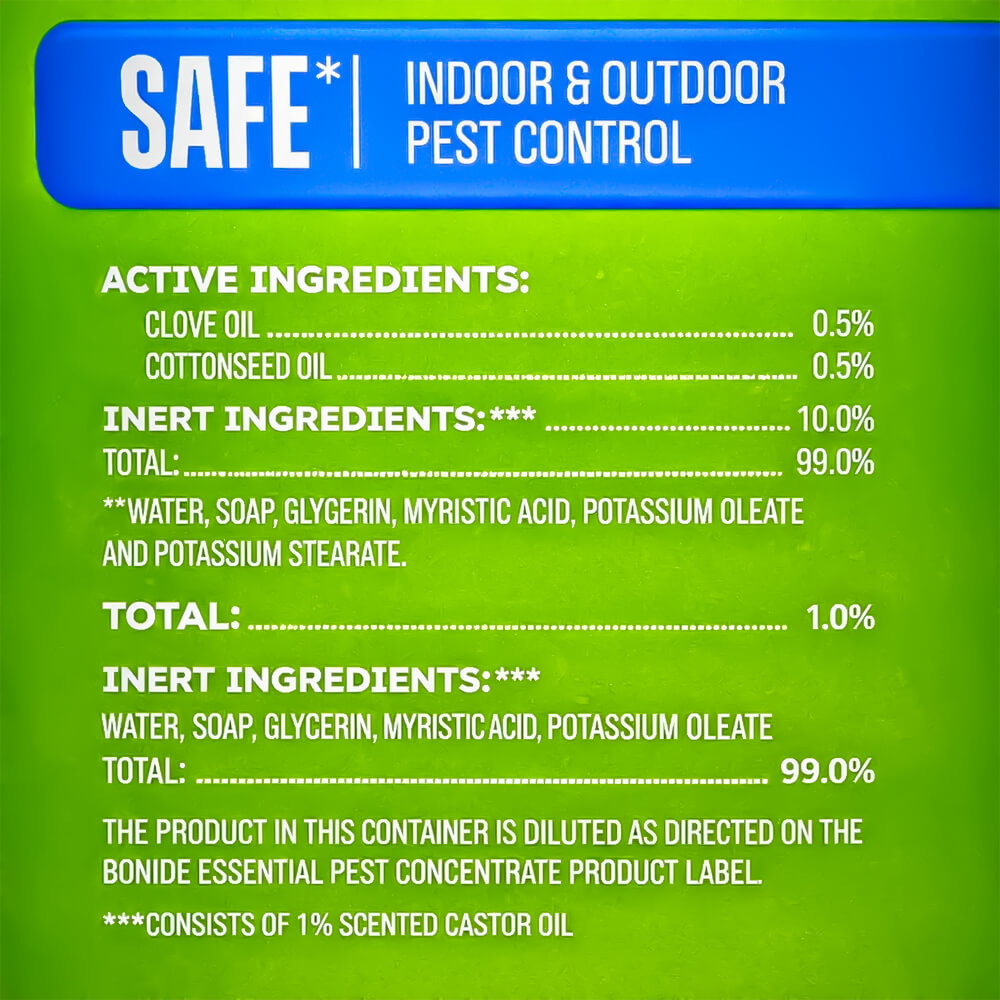
I checked the ingredient list on the product page.
Clove oil. Cottonseed oil.
Exactly what Gary had written on that piece of paper.
The Science Behind Why This Formula Works When Others Don't
I dug deeper into the research before ordering, not because I doubted it at this point, but because after eleven months of fighting this, I needed to understand every layer.
Here's what I found:
On Clove Oil (Eugenol):
A study published on PubMed Central, the National Center for Biotechnology Information's open-access database, confirmed that eugenol-based compounds have documented insecticidal properties and function as effective alternatives to synthetic pesticides.² The key distinction: their mechanism of action is sufficiently different from pyrethroids that resistance cross-contamination is not a concern.
On Cottonseed Oil:
University extension research from Cornell, Colorado State, and the University of Connecticut confirms cottonseed oil's ability to act as a natural insecticide through physical suffocation… blocking the tiny respiratory openings (spiracles) that insects breathe through.³
On the Combination:
Research published in Pesticide Biochemistry and Physiology and available through PubMed Central documented something remarkable:
Bed bugs that had developed extreme resistance to conventional pyrethroids… up to 291,626 times more resistant than norma… showed zero resistance to plant-based compounds like eugenol and other essential oil constituents.⁴
The researchers from Purdue University tested a pyrethroid-resistant bed bug strain alongside susceptible bugs and found that while it took 70,000 times more synthetic pesticide to kill the resistant strain, the essential oil compounds killed resistant and non-resistant bugs equally…
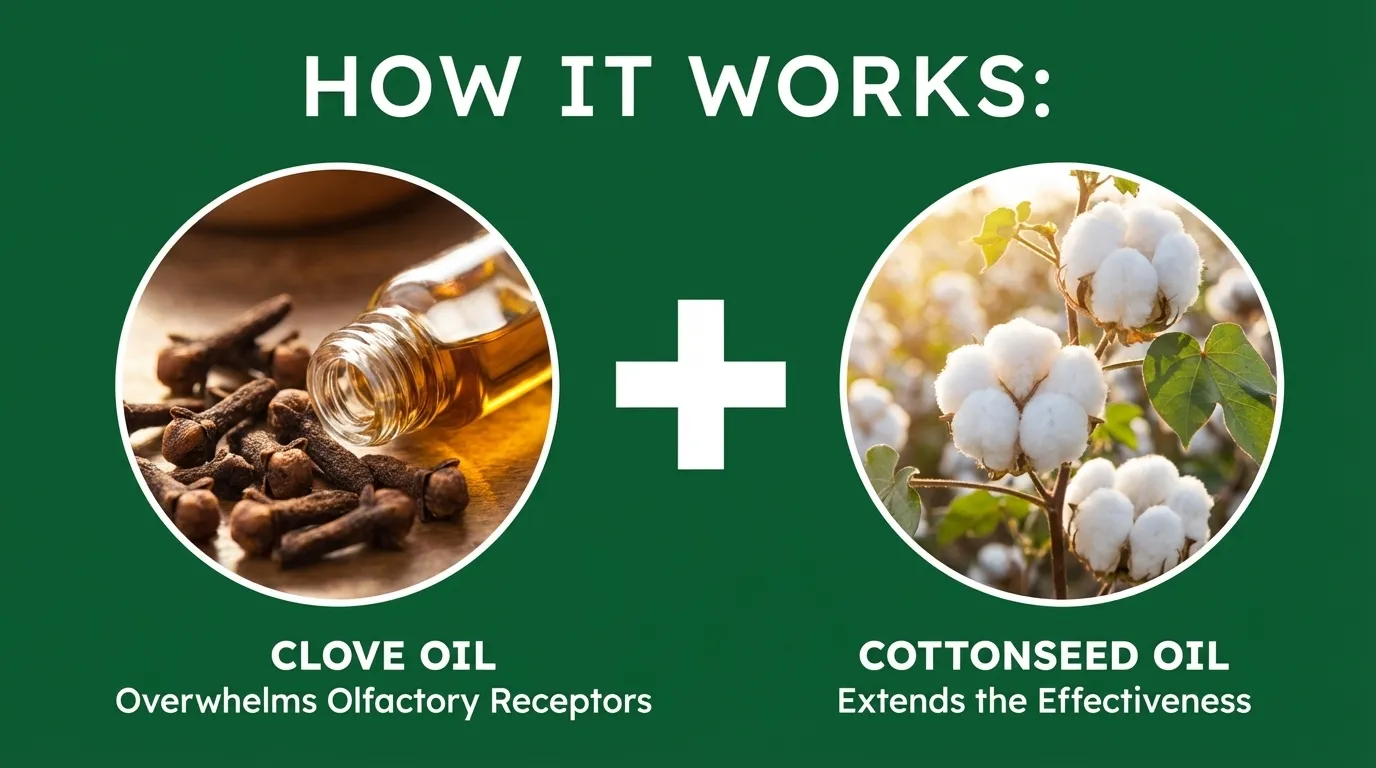
This is precisely why the two-step combination in Essential Pest Control works so effectively: the clove oil attacks through pathways that resistant bugs have no defense against, while the cottonseed oil uses a suffocation mechanism that cannot be overcome through genetic mutations.
The picture was completely clear to me.
The bugs in my home weren't coming back because treatments didn't work. They were coming back because:
- The treatments were leaving 35% of the population alive as eggs
- A growing percentage of adult bugs had evolved significant resistance to the pyrethroid chemicals being used
BugMD's formula attacked both problems simultaneously, killing what was visible through a mechanism bugs can't develop resistance to, and penetrating into hiding spots to disrupt what wasn't visible yet.
I ordered that night.
What Happened When I Actually Used It
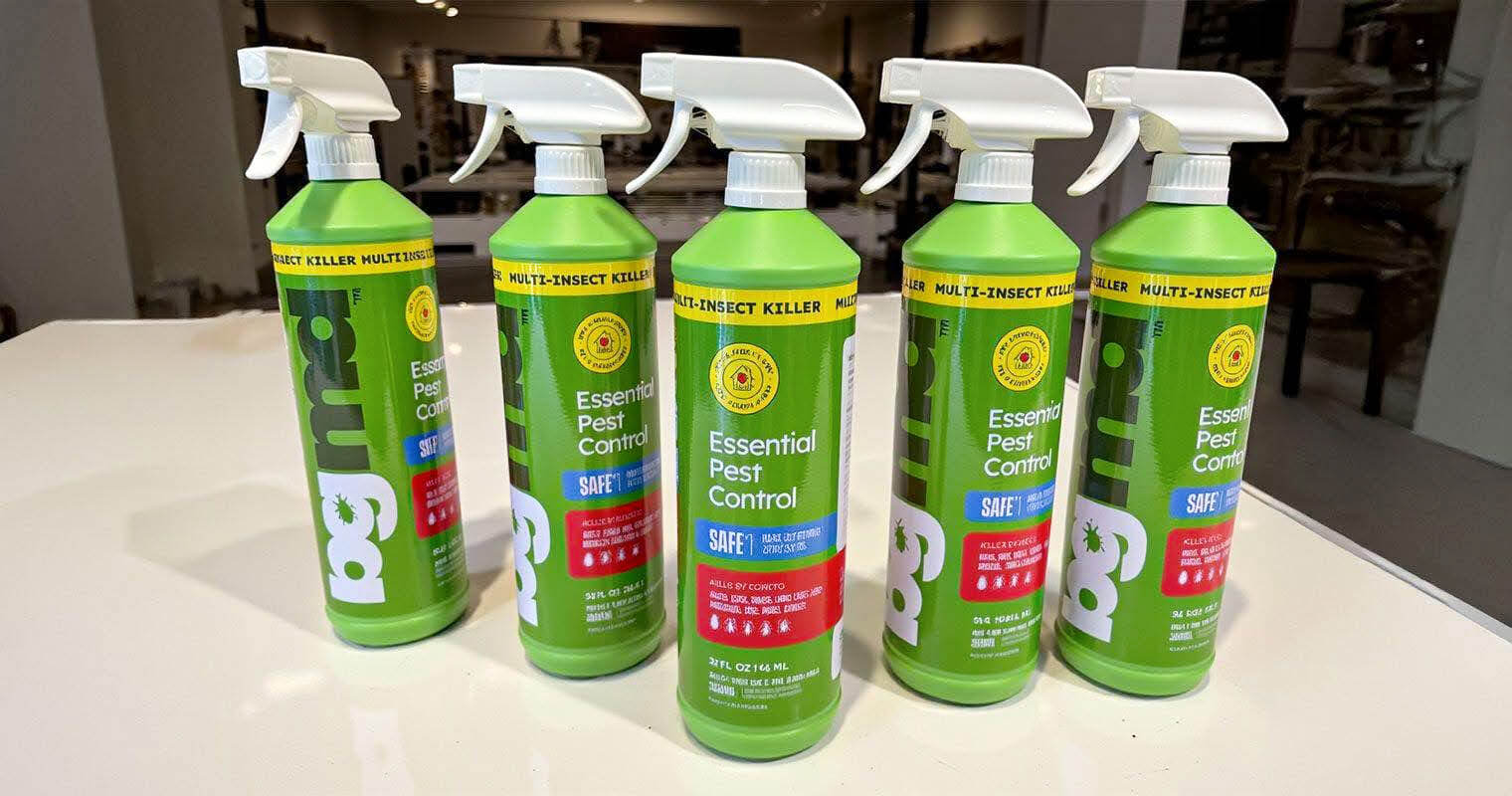
The product arrived in three days.
I remember sitting with the box on my kitchen table, feeling a specific mixture of hope and exhaustion, the kind of cautious optimism you feel when you've been disappointed so many times that you don't let yourself get too excited.
I mixed the concentrate into the reusable spray bottle with water as directed. Shook it well.
Then I went to work.
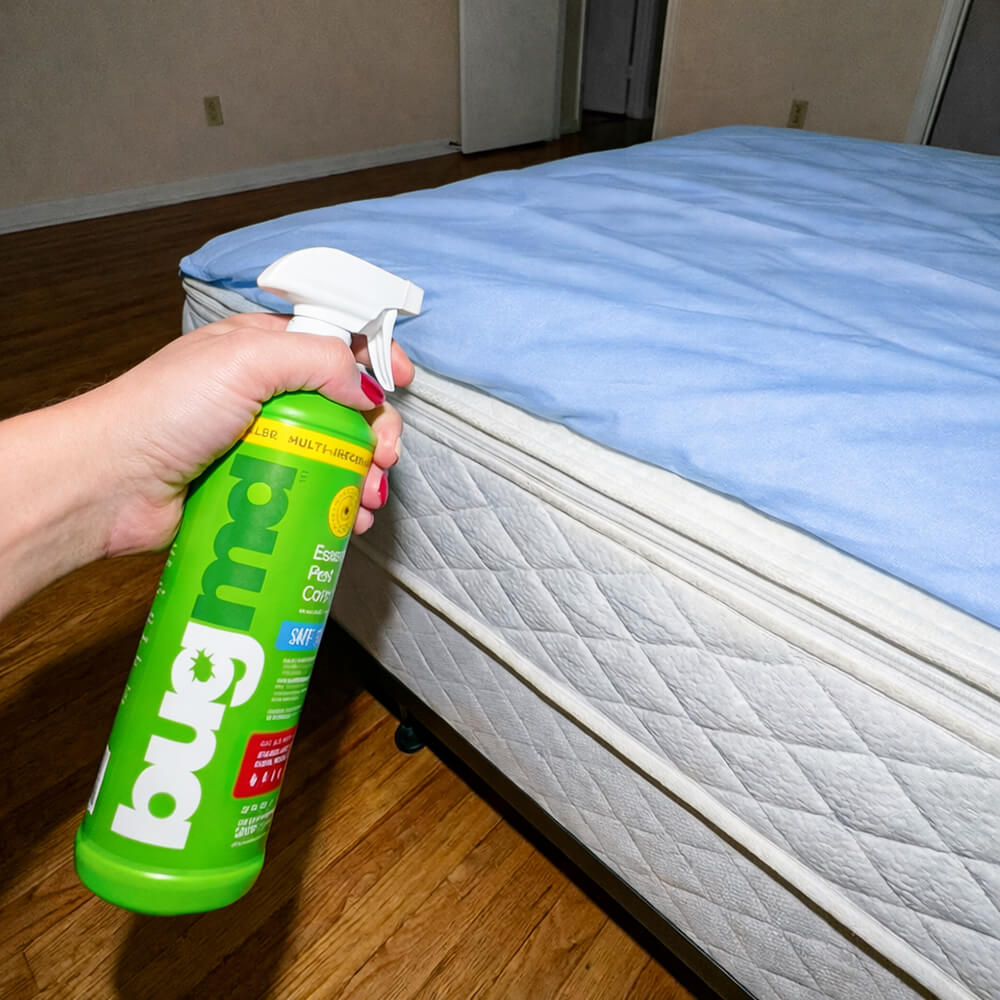
I sprayed the mattress, both sides.
Every seam.
Every fold.
The entire surface. I sprayed the box spring. Every corner of the bed frame. Behind the headboard. The baseboards along every wall in the bedroom. The outlet covers. Every crack where the wall met the floor.
I sprayed under the nightstands, inside the dresser drawers, in the closet where I kept Lily's extra blankets.
It smelled, not like chemicals. Like something herbal. A little spicy from the clove oil. Not unpleasant. Completely different from the harsh, acrid fumes that had filled the apartment during previous treatments.
I could breathe. Lily didn't have to leave.
Day 2: I found two dead bugs near the baseboard when I did my morning check. Nothing on the sheets.
Day 4: Zero new bites. I checked anyway. Nothing.
Day 6: Lily came to me before school.
"Mommy, I haven't itched in days."
I hugged her for a long time in the kitchen.
Day 9: I finally slept through the entire night.
I didn't realize I'd done it until I woke up and looked at the clock, 7:12am.
I hadn't woken up once to check. I hadn't lain there doing inventory of every sensation on my arms and legs.
I just... slept.
It sounds like a small thing. After eleven months of disrupted sleep, of constant vigilance, of that low-grade anxiety that never fully leaves when you know there's something in your bed that wants to bite your family, it was everything.

Two Weeks After First Treatment:
I called Danielle.
"Do you want to come over Friday?"
A pause on the line. She knew I'd been avoiding this.
"Are you sure?"
"Yes," I said. "I'm sure."
She came over. We sat on the couch. We had dinner at my kitchen table. Lily showed her the artwork on the walls.
Danielle never saw a single bug.
Because there weren't any.
After dinner, Lily asked if she could have a sleepover.
"Can Abby come over this weekend?"
I said yes without hesitating.
That "yes" was the moment I knew it was really over.

What Has Changed in My Home, Three Months Later
I'm writing this because three months ago, I was where you might be right now.
Exhausted. Ashamed. Convinced I was going to be fighting this forever.
I want you to know what's different now:
Lily sleeps in her bed. Every night. Without checking the sheets. Without me doing a 2am inspection with a flashlight.
I have people over again. Danielle brings wine on Thursday evenings. My sister visited with her kids last month. My mother-in-law stayed for a weekend.
I wake up in the morning and think about what I'm going to make for breakfast. Not about where the next bite came from.
My home feels like mine again. That specific feeling, that sense of ownership and safety and comfort in your own space, I hadn't felt it in almost a year.
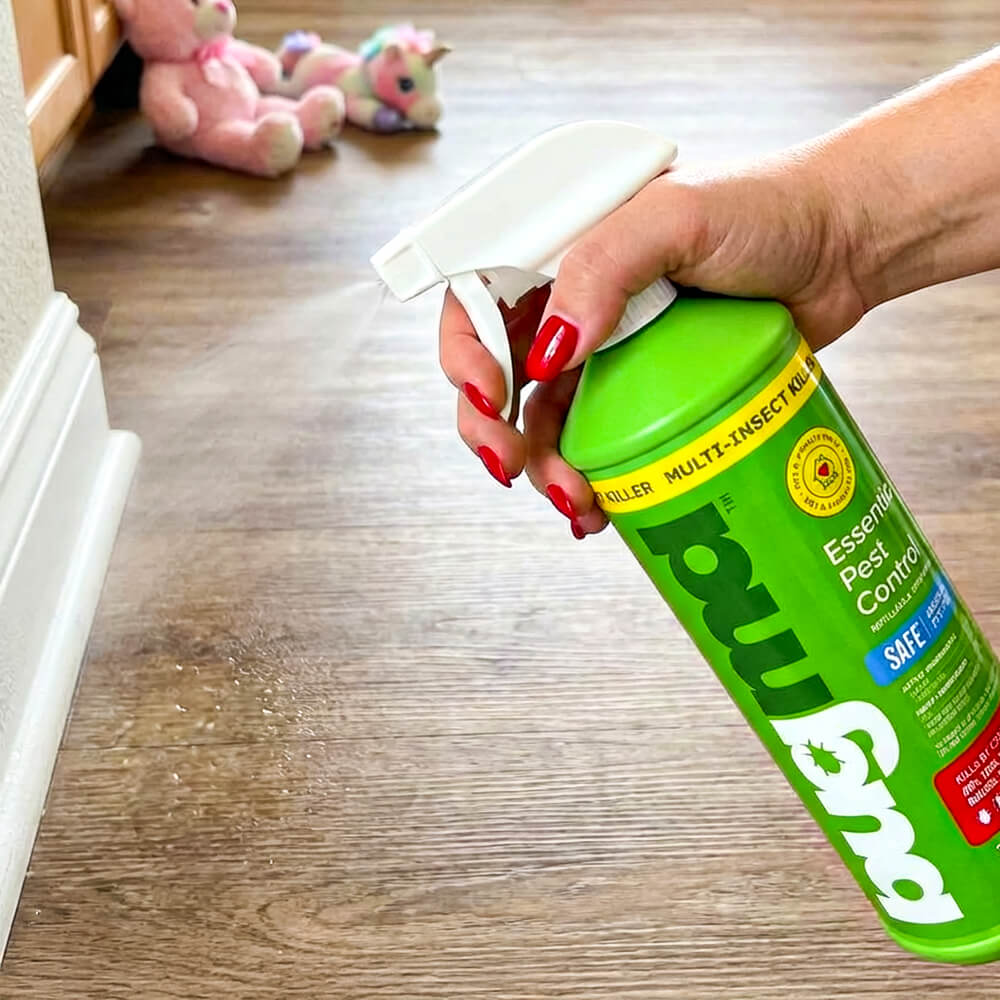
I spray BugMD Essential Pest Control weekly now as part of my normal cleaning routine. It takes three minutes. It's become as ordinary as vacuuming.
The bugs have not come back.
Real People. Real Results.
I'm not the only one who discovered this.
Here's Exactly How BugMD Essential Pest Control Works
After my experience, I wanted to understand the complete picture.
Here's what I know about how the 2-Step Bioactive Formula actually breaks the cycle:
Clove Oil (Active Compound: Eugenol)
When the formula contacts an adult bed bug, nymph, or pest egg, the eugenol immediately initiates multi-system disruption.
Unlike pyrethroid chemicals, which target a single sodium channel receptor that many modern bed bugs have evolved resistance to, eugenol simultaneously interferes with nerve signal transmission, metabolic function, and respiratory function.
Bugs cannot develop resistance to a multi-pathway attack the way they can to a single-receptor chemical.
It's the difference between closing one door versus collapsing the entire building.
Cottonseed Oil (Mechanism: Suffocation + Penetration)
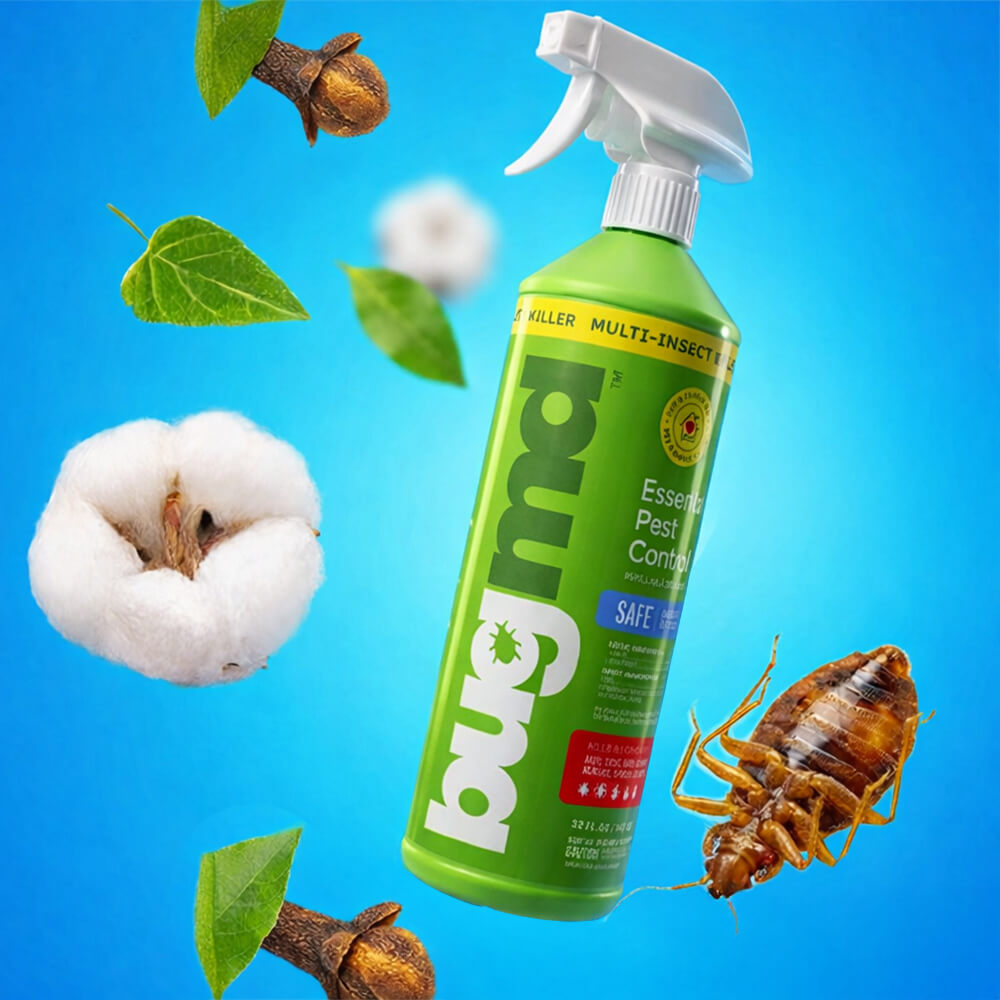
Cottonseed oil works through physical suffocation, coating the insect and blocking the spiracles (breathing pores) along its abdomen.
It doesn't require any biological interaction that resistance can circumvent.
The insect simply cannot breathe.
Crucially, cottonseed oil's lipid profile allows it to seep into micro-environments:
The fold of a mattress seam, the gap between a baseboard and the wall, the tiny crack in a bed frame where eggs are deposited.
It carries the eugenol with it, breaking through the egg's protective casing and disrupting larval development before the next generation can hatch.
[Cottonseed Oil Infographic]
The Result: The Full Cycle Is Broken
The 65% you can see: dead on contact. The 35% hiding as eggs: disrupted before they can hatch.
For the first time, you're not giving the next generation a free pass.
What About Safety for My Family and Pets?
This was my first question before ordering. I have a daughter. I wasn't putting anything in my home that I wasn't completely certain about.
According to BugMD's formulation guidance, Essential Pest Control is free of harsh chemicals and traditional pesticides. It uses plant-based active ingredients, clove oil and cottonseed oil, and is designed to be safe around children and pets when used as directed.
That qualifier, "when used as directed", matters, and I want to be honest about it.
Follow the label instructions.
Don't spray directly on pets.
Allow surfaces to dry before your kids or animals are back in contact with them.
But the fundamental difference between this and the pyrethroid chemicals used in conventional treatment?
Those chemicals come with serious health warnings, particularly for children and pets.
The contrast is significant.
Why You Need to Act on This Today
Here's something I wish someone had told me earlier:
Bed bug populations don't stay static.
They grow.
According to the EPA, a single female bed bug can produce hundreds of eggs over her lifetime.¹
And because each of those eggs can hatch in as little as 6–10 days under warm indoor conditions, a small problem becomes a large one in weeks, not months.
Every week you continue treating with something that misses the 35% egg population, you're giving the next generation a free pass to restart the cycle.
The math is not in your favor. The longer you wait, the harder this becomes.
Think about what you've already spent trying to solve this:
- Exterminator visits: $500–$800 per treatment
- Drugstore sprays that didn't reach the eggs: $30–$60 per product
- Mattress encasements, traps, heat devices: another $100–$200
- Lost sleep, anxiety, the social cost of closing your home off from people you love
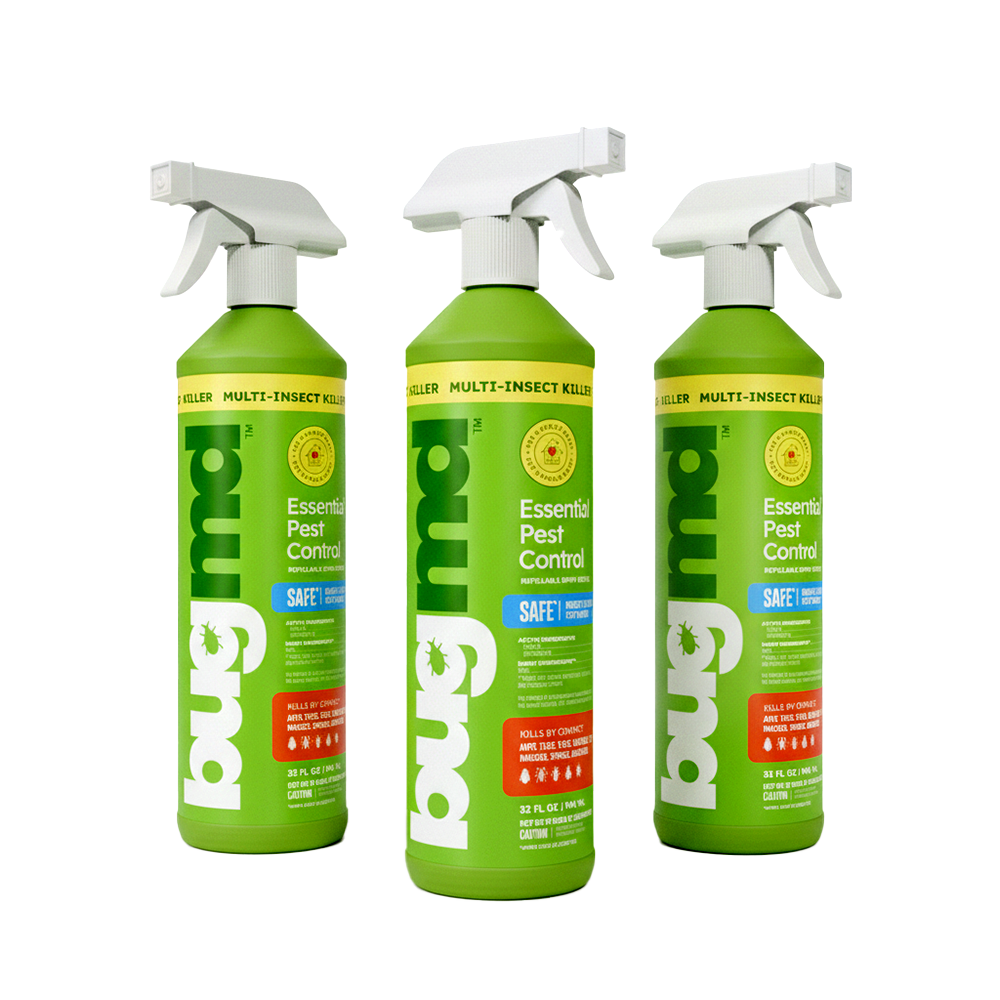
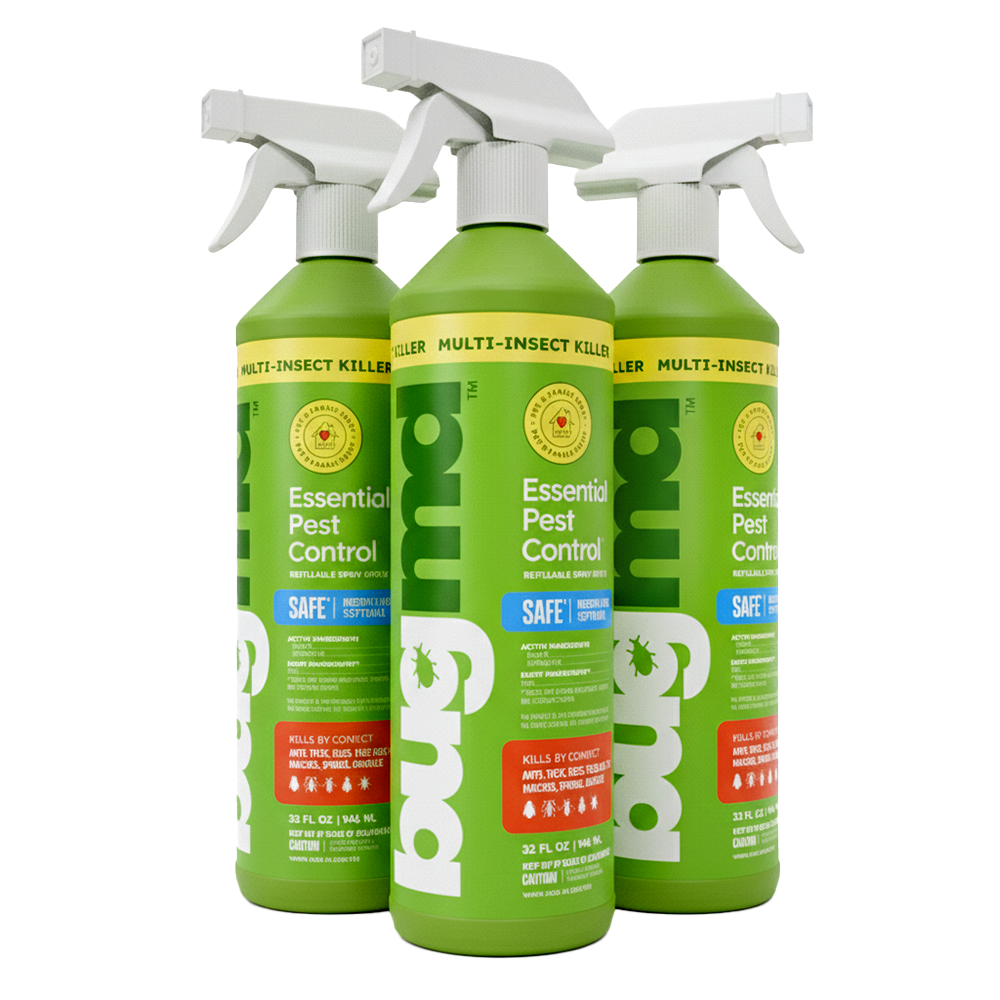
BugMD Essential Pest Control is available in bundles starting at two bottles, with multi-bottle packages that give you the supply to treat your whole home thoroughly and maintain protection.
And it comes with a 30-Day Satisfaction Guarantee. If it doesn't work for you, contact them for a refund.*
You've already tried solutions that don't address the full problem.
Now you have the information to do something different.
Two Futures
I want you to sit with this for a moment.
If you do nothing:
Tonight, and the night after that, and the night after that, you wake up checking for new bites.
You wash your sheets again.
You keep making excuses to the people who want to come over.
Your daughter asks again why her friend can't sleep over.
The eggs that survived your last treatment hatch.
The new generation starts feeding.
You go another month.
Another two months.
Eventually the cost of doing nothing, financially, emotionally, in your relationships, in your sense of safety in your own home, becomes bigger than anything you've paid for a solution.
If you take action today:
In two days, the formula is in your hands.
You treat every surface.
You sleep the first night without new bites.
By the end of the first week, you're waking up and not immediately thinking about bugs.
By the end of the second week, you start to feel something you'd forgotten existed:
Peace.
In your own home.
In your own bed.
In your own life.
You say yes to the playdate.
You open the door to your friend.
Your home becomes what it was supposed to be all along.
The choice is yours. But every day you wait is a day the eggs that survived your last treatment are closer to hatching.

Special Offer: Up to 66% Off Today
Right now, BugMD is offering significant bundle discounts for new customers:
- 2 Bottles: $21.99 each, 45% off
- 4 Bottles: $20.99 each + FREE shipping, 47% off
- 6 Bottles: $19.99 each + FREE shipping, 50% off
- 8 Bottles: $17.99 each + FREE shipping, 55% off
For active invasions, most customers choose the 4- or 6-bottle package, enough to treat the entire home thoroughly, with supply for ongoing weekly maintenance.
Every order includes a FREE reusable spray bottle.
30-Day Satisfaction Guarantee

Try BugMD Essential Pest Control for 30 days.
If you don't see meaningful improvement in your situation,
contact customer service for a refund.*
*Small return processing fee and return shipping apply.
⚠️ Stock Notice
BugMD has recently seen a significant surge in orders as more families discover the 2-Step Bioactive Formula.
Professional clove oil, a key active ingredient, has limited supply constraints, and inventory can sell out quickly during high-demand periods.
If you've been meaning to try this, check availability now to ensure current pricing and stock.
UpDATE
Frequently Asked Questions
A: Many customers report noticing dead bugs within hours of first application, with dramatic reductions in activity within the first week. Full cycle disruption (addressing eggs as well as adults) typically shows results within 2–3 weeks of consistent treatment.
A: BugMD Essential Pest Control uses plant-based active ingredients, clove oil and cottonseed oil, and contains no harsh chemicals or traditional pesticides. It is designed to be used safely around children and pets when used as directed. Always follow label instructions.
A: Mix one concentrate bottle with 27 oz of cold water in the reusable spray bottle. Shake well. Spray on affected areas, mattress seams, box spring, bed frame, baseboards, behind headboard, inside closets and dresser drawers. Can also be used on furniture, carpets, and outdoor areas.
A: No. Unlike many professional treatments, there's no requirement to vacate your home. You can spray and go about your day.
A: Yes. BugMD's formula works through mechanisms fundamentally different from pyrethroid-based treatments. It does not rely on the single receptor pathway that many bed bug populations have developed resistance to.
A: Weekly application is recommended for active infestations. Once the situation is under control, weekly maintenance spraying helps prevent reinvasion. (This is the reason why 50% of our customers go onto a monthly subscription).
A: BugMD offers a 30-Day Satisfaction Guarantee. Contact customer service within 30 days for a refund.* *Small return processing fee and return shipping apply.
A: Spray everywhere you've seen signs of activity plus key harborage points: mattress seams and folds, box spring seams, bed frame joints, headboard (front and back), baseboards throughout the bedroom, behind electrical outlet plates, inside nightstand drawers, any crack or gap near the bed.
What BugMD Customers Are Saying:
P.S. This discount is available while current inventory lasts. With demand surging and supply of pharmaceutical-grade clove oil constrained, prices may increase. If you want to lock in today's pricing, check availability now.
P.P.S. Remember: you have a 30-Day Satisfaction Guarantee. If it doesn't work for you, contact them within 30 days for a refund.* But based on 20,000+ five-star reviews from real customers, including a former exterminator who said it outperformed every professional chemical he'd ever used, I don't think you'll need it.
*Small return processing fee and return shipping apply.
- U.S. Environmental Protection Agency, "Bed Bugs: Do-It-Yourself Control Options," epa.gov/bedbugs, accessed 2025.
- National Center for Biotechnology Information (NCBI), "Insecticidal Activities of Essential Oils and Their Constituents from Syzygium aromaticum Against Insects," PMC3768575, 2013.
- Colorado State University Extension, "Insect Control: Horticultural Oils," Fact Sheet 5.569, accessed 2025.
- Gaire et al., "Bed bugs exhibiting metabolic and target site deltamethrin resistance are susceptible to plant essential oils," Pesticide Biochemistry and Physiology, 2020.